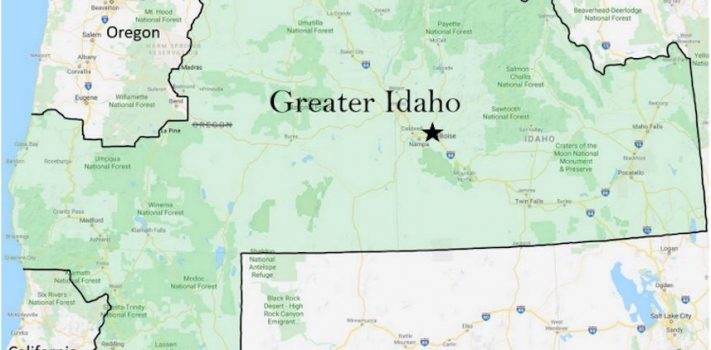
This weekly column features news stories and event announcements from around the American Redoubt region. (Idaho, Montana, eastern Oregon, eastern Washington, and Wyoming.) Much of the region is also more commonly known as The Inland Northwest. We also mention companies of interest to preppers and survivalists that are located in the American Redoubt region. Today, we focus on the renewed push for a Greater Idaho border realignment. (See the Idaho section.)
Idaho
Idaho Legislature Considers Absorbing Part Of Oregon. The article begins:
“A group of Oregon residents want their rural counties to be absorbed by Idaho, to throw off the control Portland exerts on a very different area of the state. Two counties have already voiced majority support for the idea in ballot initiatives.
The latest step for the organizations Move Oregon’s Border and Citizens for a Greater Idaho, was to present the idea to House and Senate committees in the Idaho legislature.The former house speaker of Oregon, who lives in one of the counties that want out, joined the movement’s leader to help pitch the plan.
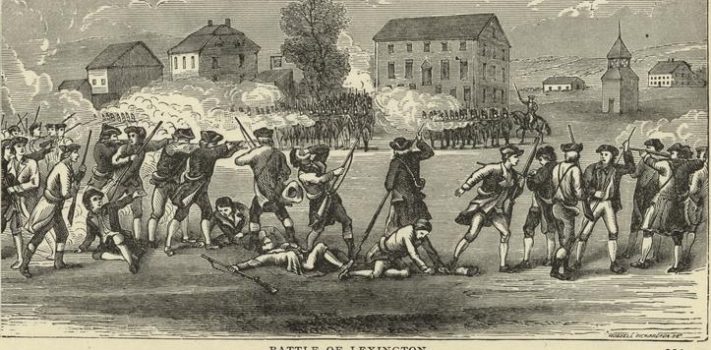
In order to move the border, both Oregon and Idaho legislatures would have to approve the plan, as would the US Congress. Even the groups’ leaders admit that’s a long shot, but said, “When the 13 colonies got together, it was a long shot.”
And that spirit of freedom is what the movement wants to capture— escaping what they see as a tyrannical state government which does not represent the interests of the rural sections of the state.”
o o o
Idaho Power bills could soon be going up
o o o
Investigators: 8-year-old Emmett girl’s body found in trash bag in grandmother’s car
o o o
Police investigating bank robbery at Post Falls Wells Fargo. JWR’s Comment: Armed bank robbery is a rarity, anywhere in Idaho.
o o o
Coeur d’Alene School District reevaluating mask requirement on Monday
o o o
Rep. Heather Scott: Social Justice Indoctrination for Idaho Children Age 0-5 Action Alert!
Continue reading“SurvivalBlog’s News From The American Redoubt”