As a boy, I can remember my grandfather, Ernest E. Rawles, saying to me: “If you consistently save ten percent of what you earn, then you’ll never go to The Poor House.” That was great advice, coming from someone who had lived through the truly traumatic deflationary Great Depression of the 1930s.
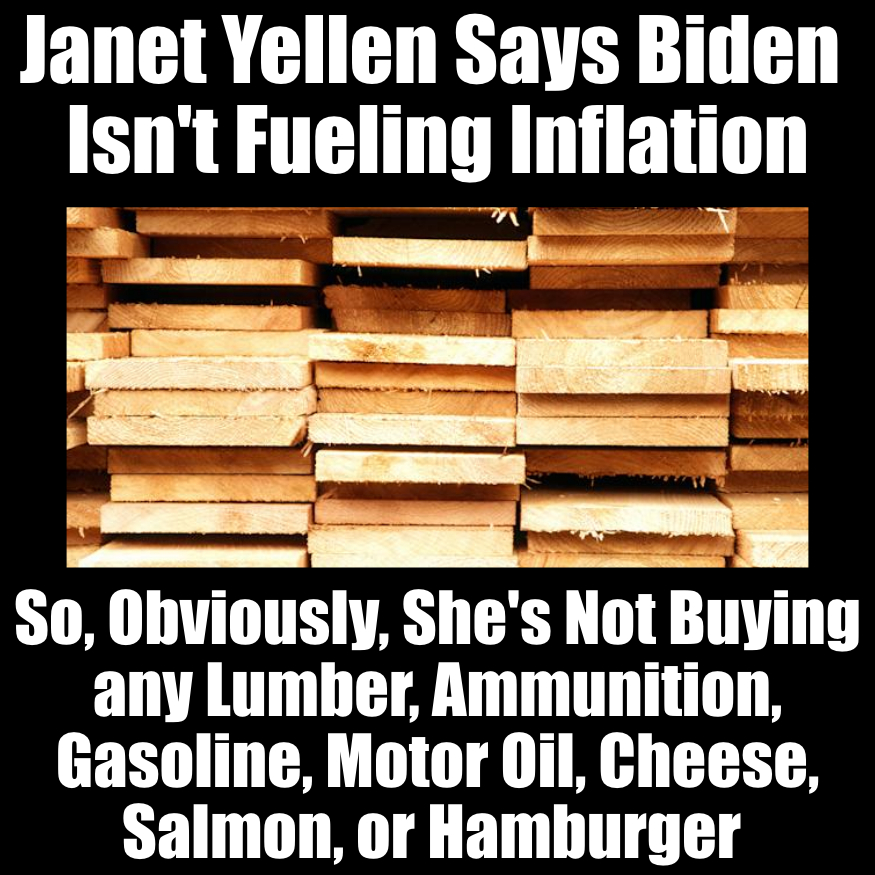
But today, we can see the looming threat of another economic depression, and this one will most likely be a traumatic inflationary depression. And this one may last even longer than a decade. In an inflationary depression, even millions of dollars in “savings” in cash (that is: greenbacks or digits on deposit in a bank) will not carry you through. Once general price inflation roars up into the double digits, we will see the purchasing power of our Dollars melt away. At a 25% annualized inflation rate, a $20 bill that would have bought 50 pounds of grain a year ago will only buy you 37.5 pounds. And 28.1 pounds the next year. And 21 pounds the third year. And what if general price inflation heats up to 50% or 150%, or higher? Instead of saying: “Cash is king”, people will be saying: “Cash is trash.”
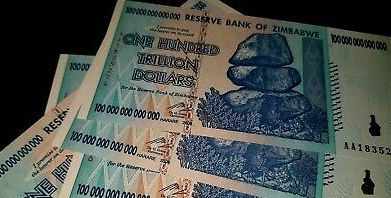
Just ask anyone who has lived our toured an inflation-wracked country what it was like. Zimbabwe, Indonesia, and Venezuela are some recent examples. When wages don’t keep up with mass inflation, there is genuine suffering. In such times, anyone on a fixed income will be wiped out, very quickly. Sadly, given the chronic over-spending by western governments, it appears that destruction through mass inflation will be the fate of all of the world’s major currencies in the 2020s and 2030s.
Mitigating Inflation Threats
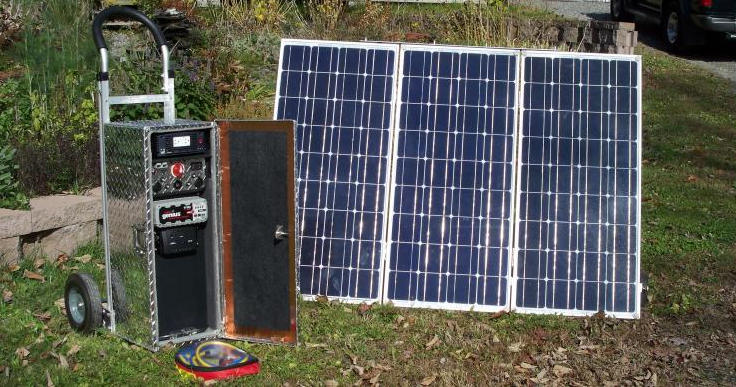
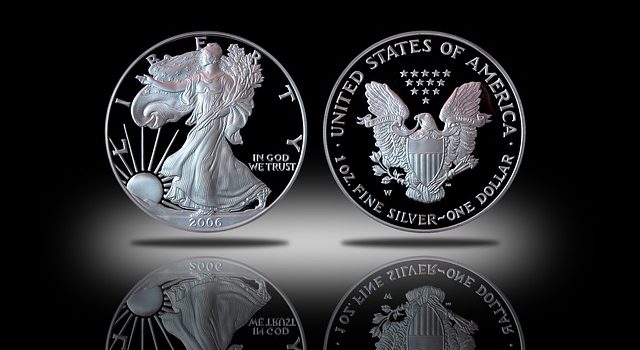
To be ready for inflationary times, we need to adopt a much different outlook on saving, spending, and investing. In times of inflation “money in the bank” will be a liability, not an asset. Barterable tangibles will be an asset that constitutes an investment. Think of cash savings like holding a handful of sand. Over time, it will eventually slip through your fingers. In a truly hyperinflationary period, each time that you receive a paycheck, you will be in a rush to spend it on groceries, fuel, and other essential tangibles before that currency loses too much value.Continue reading“Readying Yourself for Inflationary Times”