(Continued from Part 1.)
Becoming a true marksman does not come overnight. It comes over many trips to the range. I was blessed to be going into my first season of hunting already knowing of what I was capable. I had nothing to prove regarding my shooting.
I have been involved in one of the Olympic pistol disciplines for seven years. Through competitive shooting I have learned many, many valuable lessons. Some of these regard shooting under stress. Others involve simply the basics of shooting taken to a competitive level.
Aside from competition, my dad and I regularly shoot a bolt action .22 on our backyard range. Our range is 100 yards long; perfect for sighting in rifles. The targets are copies of the Swiss B-4 330 yard (300 meter) targets. They are scaled down, so that at 55 yards they appear the same as the original at 330 yards.
Our course of fire consists of five rounds shot over four positions: prone, sitting, squatting, and offhand. We start at the 50 yard line firing one round from prone and another round from sitting. Then, we move up to 35 yards and fire another round from squatting. Our last round is fired offhand at 25 yards (remember, this is the equivalent of a man-sized target at 150 yards). The remaining round is fired differently depending on the stage. It is fired from prone in the first stage, then sitting in the next, so on and so forth.
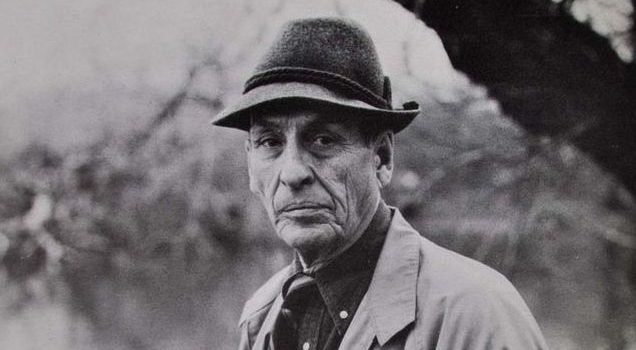
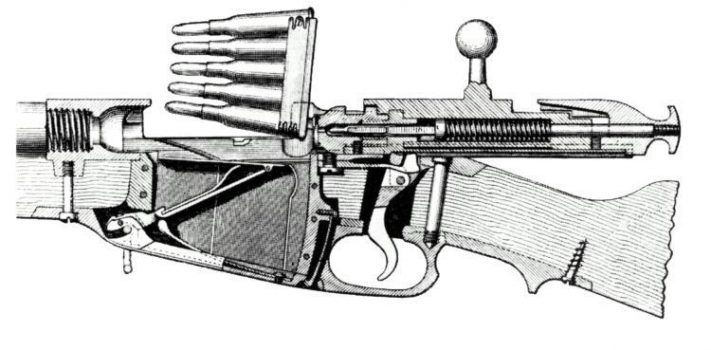
This course has been adapted from the courses which Jeff Cooper designed. Jeff Cooper is more than the greatest firearms instructor, he is a legend. Not only is Col. Cooper responsible for the resurrection of the 1911, he is also responsible for the development of the Scout Rifle.
Randy Cain of Cumberland tactics refined the Scout Rifle by broadening the spectrum of what it was considered. He refers to them as “practical rifles.” In my way of thinking this is what all hunting rifles should be. Cain is also quoted as having said, “You will never rise to the occasion, you will revert to your training.” Nothing is more true, and that is what keeps me training. I have seen that come true many times, both in pistol matches and once when a certain deer found himself in my crosshairs.
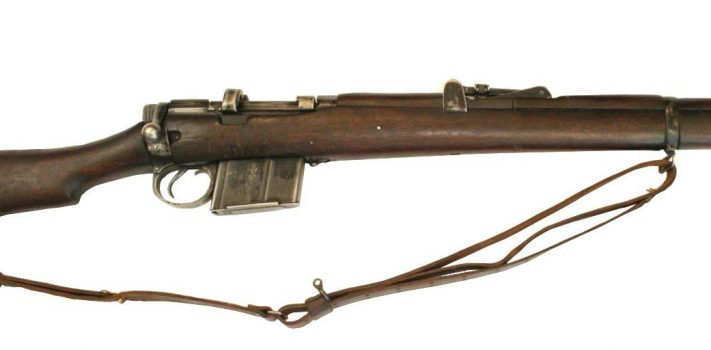
One major problem with hunters today is that they take their rifle to the range, sit at a bench, fire a box of ammunition, and call themselves good. Many deer have been wounded as a result of this “practice.” You must learn to shoot a rifle from any of the field positions. If you shoot a bolt action rifle, you must learn to operate that bolt with the utmost speed. Finally, you must learn to make every round count. As Jeff Cooper said, “The purpose of shooting is hitting.” Continue reading“Becoming a Hunter – Part 2, by Remington Smith”