Editor’s Introductory Note: Reader C.I. has compiled some solid preparedness information for SurvivalBlog readers, partly from tried and true and widely published recommendations that date back to the 1940s, and partly from her own experience and observations. A lot of the following will already be familiar to long-time SurvivalBlog readers, but it provides a concise review that is useful for consideration for “filling in gaps” in your preps. And it is quite important reading for anyone who is new to family preparedness. This lengthy article will be serialized into four installments. – JWR
—
It is hard to be a Good Samaritan when you are in the same shape as the traveler or refugee. It is best to donate through your Church as you don’t want people of uncertain character at your door.
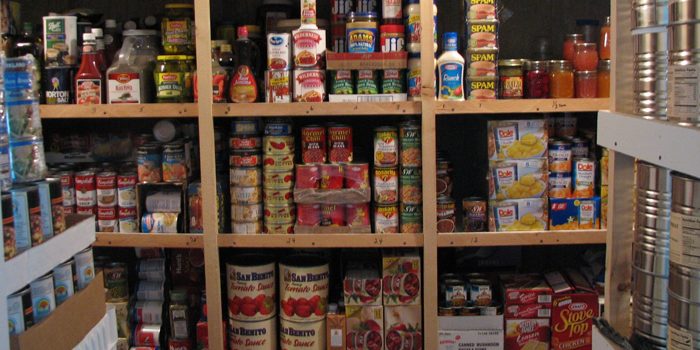
If you have two weeks of food and water at home then you are better prepared than 95% of the population. With the recent run on garden seeds and canning supplies, wise people are waking up and getting prepared. Also, firearm sales are up. I feel this is a red flag that says to get prepared!
It is generally thought that most people would have 3 days of food on hand and the stores another 3 days, however after hurricane Sandy people were out looking for food a lot sooner than Day 3, in spite of days of warning. So unless you are planning on sudden weight loss (and possible death), having food and water on hand is wise. The recent supply chain issues are another warning.
Water, food, shelter, and means of self-protection are the keys to surviving. Long term, also have a means of being self-sustaining, with a garden, fruit trees, and livestock. I would also add: Get out of large cities, and locate somewhere out of sight.
Water
Adding 2-to-6 drops of unscented Clorox bleach will purify 1 quart of water. Depending on the quality of the water and Clorox, give it 30 minutes or longer and add more Clorox if water is cloudy and iffy. But if you can faintly smell chlorine, then it is safe to drink. Over time, Clorox will lose its strength, so rotate every 6 months or use more. Iodine can also be used, 2 drops per quart, more if cloudy. But this method is not recommended for children or for pregnant women.
Plan on at least one gallon of water per person per day for drinking and cooking. In a pinch, one could survive on just 2 quarts for a while. If you include other uses, at least 5 gallons per person per day would be needed for hygiene, washing clothes, and so on.
A traditional tank-type water heater can be an emergency source of water, in the event that the pressure drops, on your utility-provided water.
Waer storage containers can be found in camping and hardware stores, and Wal-Mart. The large food-grade plastic “tote” cubes (275-gallon capacity) are great if you can find one and it hasn’t ever had anything toxic or odorous in it.Continue reading“Some Basic Preparedness Information – Part 1, by C.I.”