Here are the latest news items and commentary on current economics news, market trends, stocks, investing opportunities, and the precious metals markets. We also cover hedges, derivatives, and obscura. Most of these items are from the “tangibles heavy” contrarian perspective of SurvivalBlog’s Founder and Senior Editor, JWR. Today, an examination of how inflation is changing the lives of Americans, and how people are coping and hedging. Here is a roundup of articles on inflation published in 2022, with a brief fair-use excerpt from each:
Brookings: Five key takeaways on inflation from the May CPI report.
“Last year, goods inflation was incredibly high, services inflation was surprisingly low, and the net effect was high inflation. So there was a story that was told that as the pandemic’s behavioral impact eases, as people shift back from goods to services, as people return to the labor force, as things normalize, inflation will go away. Well, all of those things are basically happening, sort of roughly according to plan. Goods inflation is falling, but now service inflation is picking up. So the fact that we’re seeing the normalization, and core inflation, which was running at 7 percent last year and is running at six and half percent now over the last three months, has barely changed, I think should make us very nervous.”
At Investopedia: Timeless Ways to Protect Yourself From Inflation.
“Inflation is often referred to as the “worst tax” because its effects go unnoticed by most people. Hypothetically, earning 4% in a savings account while inflation grows at 7% makes many feel 4% richer. In fact, they are 3% poorer.
That’s why it’s important for households and investors alike to understand the causes and effects of inflation, and how to plan so as to ensure that their assets maintain their purchasing power.”
From The Economic Times (of India): 10 Strategies for Combating Inflation.
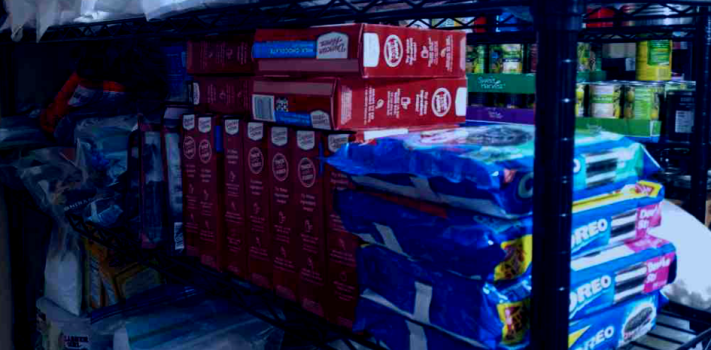
“Sale is a small word that can be a big opportunity for the careful spender. Many hypermarkets offer heavy discounts on different items almost throughout the year. While you cannot buy too much of foodstuff, you can stock up on non-perishables when there is a sale. Paper towels, soaps, detergents and many such items can be easily stored for months.”Continue reading“Economics & Investing For Preppers”