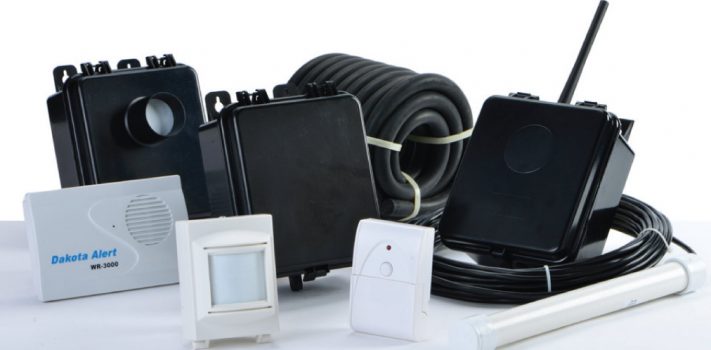
The case for using directional antennas to contain signals within an area of operations (AO), has hopefully been adequately made in my previous SurvivalBlog articles. Today, I will describe how directional and omnidirectional antennas can be used with MURS Dakota Alert Sensors.
With the advent of HF equipment that can now be operated on very low power, there has been a growth in interest among some Amateur radio operators in QRP (low power). It is a style of HF (High Frequency, a.k.a. shortwave) radio that challenges operators to communicate very long distances using only very low powered transmitters. This style of radio includes small pocket sized transmitters to modern full power sets that can communicate a crossed oceans using only very low power. The pursuit requires more skill and different techniques than is required when operating full powered HF transceivers. It usually requires the use of digital modes and CW, instead of voice.
Operating VHF/UHF transceivers instead of HF sets on very low power also comes with certain technical challenges that are different than what is required for QRP using HF. QRP is not usually associated with VHF/UHF Amateur bands above 40 meters, and so there is little interest, and little known about how to go about it. Yet there is little new under the sun. Military operators in past eras have done so on a regular basis.
Continue reading“MURS Dakota Alert IR Sensors and Antennas – Part 1, by Tunnel Rabbit”