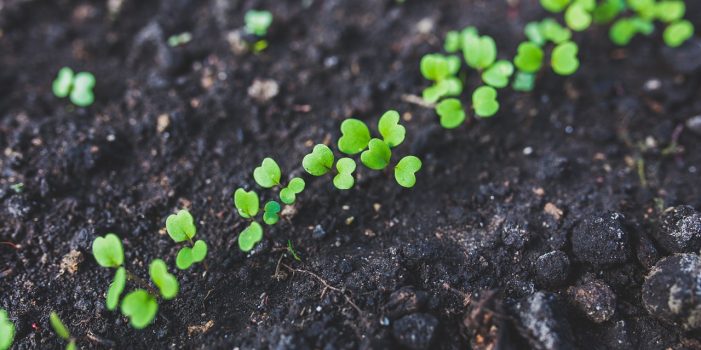
Several weeks ago, Reader L.E. asked how seeds would fare after a nuclear war. That got me researching about growing food after the nukes fly would be complicated. It turns out, not much. After a nuclear war, fallout and higher radiation counts worldwide will be a fact of life. The remnants of the fallout will remain acutely in our food chain for a century. Consuming radionuclides (radioactive isotopes or radioisotopes) will be unavoidable, but not as catastrophic as some think, and it can be mitigated.
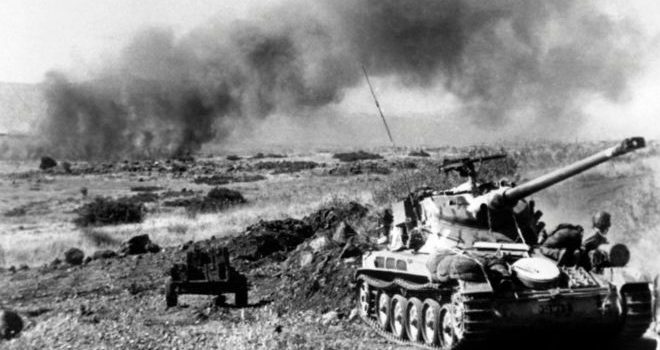
Fallout will not be a massive, universal phenomenon as some of the outdated fallout pattern maps from the 1960s show. Airburst weapons do not create any appreciable fallout and as cities are the likely targets, they will be destroyed by warheads detonating a few thousand feet above the city to maximize blast effects. Surface detonations are used against things like missile silos; so if you live near some, watch out. Fallout from surface blasts may travel long distances, but will almost certainly be heavily localized near hardened military targets.
Long-distance fallout or worldwide fallout that is lofted high into the atmosphere will be a universal concern. This radiation will be much weaker as the particles are less dense and have been decaying while airborne. A real-life example is that of the Downwinders who were exposed to atomic testing in Nevada during the 1950s and 1960s.
Fallout in food is an ingestion hazard of radionuclides (radioactive isotopes) through the food cycle. These radionuclides include isotopes of iodine, cesium, and strontium. Iodine is a short-term hazard whereas strontium and cesium, with their longer half-lives, are long-term hazards. Thyroid and other cancers are the primary pathology. Radioactive material can be ingested in two ways; consuming produce with fallout embedded in it or consuming produce that has absorbed an isotope from the soil.Continue reading“Gardening in a Post-Nuclear Fallout Environment, by Don Shift”