This article discusses disposal of dead bad guys or large numbers of dead strangers, not disposal of “your” dead. You will obviously treat your loved ones and friends differently. The health protocols and technical aspects will also apply to the burial of loved ones.
In my discussions of less-lethal force and crowd control, I advise against “just shoot everybody” as a tactic in all but the direst of circumstances because lots of dead bodies have to be disposed of. In Iraq, oftentimes the wives and mothers of dead insurgents would come out to claim and remove their loved one’s body with help from family if Coalition forces didn’t take custody of the dead for intelligence purposes.
In a grid-down SHTF situation, no one is coming to clean up the bodies after a battle. It will be up to you. The main issues with disposing of decayed bodies are the odor, the fluids, and the ease with which bodies can be dismembered with movement.
Body disposal will be necessary because of the stink, the carnage, and the potential of disease. Another factor is psychological; its not healthy for your defenders or your uninvolved neighbors to be looking at bodies all the time. You will be motivated for comfort and health reasons to move the bodies out of the area.
Innocent people
History has shown us that in any domestic conflict, innocent people—civilians, women, children, the elderly—are often killed. Defenders may be faced with the unpleasant task of having to dispose of large numbers of bodies of those who were not their enemies.
- Photograph the area of any atrocities including injuries to bodies, any graffiti, evidence, etc. Attempt to identify the bodies by name, when possible. If unable to positively identify, note general physical characteristics, any marks, scars, or tattoos, describe the clothing they were wearing or any personal effects they may have had. Photographs of the face or any identifying features should be taken.
- Individual body records should include the above identifying information, cause of death, and the location of burial.
- Allow any surviving friends or relatives to participate and mourn insofar as possible.
- A ceremony of some sort may ease everyone’s emotional trauma and allow some closure. Note that enemies may exploit a funeral service for further attacks.
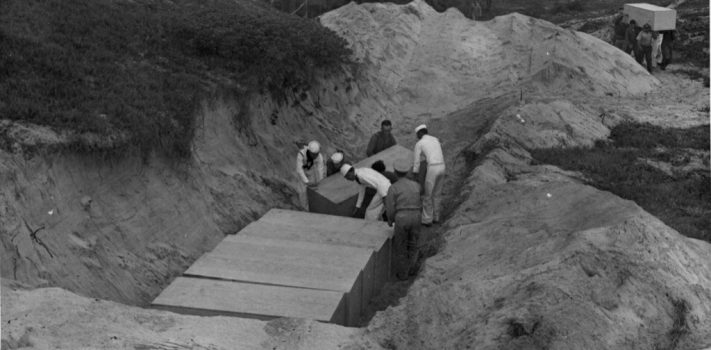
- Bury the bodies whenever possible out of respect for the survivors and to make later recovery post-crisis or for forensic purposes easier.
- Record and mark (when possible) the place the persons are buried. Picking a space that can be considered sacred ground may ease survivors’ psychological burdens.
Continue reading“Mass Body Disposal, Post-Collapse, by Don Shift”