Icy gusts of January wind were driving sheets of snow relentlessly across the slick pavement. I was cautiously creeping along in my car, making my way home from work. The weather forecast for the coming night was threatening.
As I drove past a grocery store, the gloomy winter twilight revealed a crowded parking lot. Shoppers were flocking to the store to buy the remaining stocks of bread, milk, and other supplies in anticipation of being snowed in.
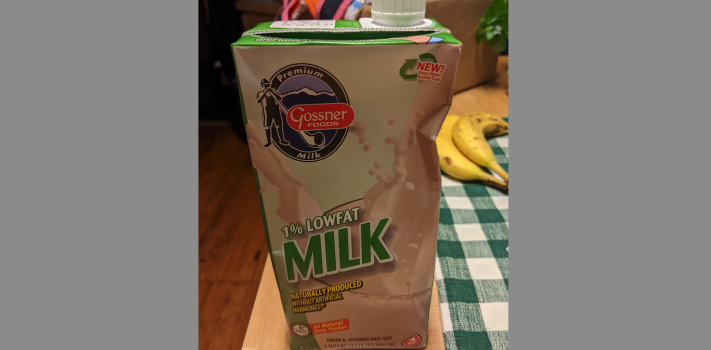
I was able to drive right on by the store without the need to stop. My wife, “Kari” had stocked our pantry well for short-term shutdowns. It had things like beans and canned meat, pilot bread and rice, canned fruit and summer sausage, peanut butter and fruit juice, pancake mix and muesli. And to mix up those pancakes or pour over that muesli, there were quarts and quarts of shelf-stable UHT milk. Like the Proverbs 31 woman, Kari was not afraid of snow for her household.
What is UHT Milk?
“UHT” stands for “Ultra High Temperature”. UHT milk is processed at temperatures in excess of 275 degrees Fahrenheit. Traditional pasteurization only heats milk to 161 degrees Fahrenheit.
The UHT process slightly changes the protein structure and the taste of the milk. My grandkids don’t like it, and it is not my first choice to accompany a fresh baked chocolate chip cookie. But when UHT milk is poured over a bowl of cereal, I would be hard-pressed to tell the difference from regular milk. And I sure like the taste of UHT milk a whole lot better than the taste of reconstituted powdered milk.Continue reading“Gossner UHT Shelf Stable Milk, by Thomas Christianson”