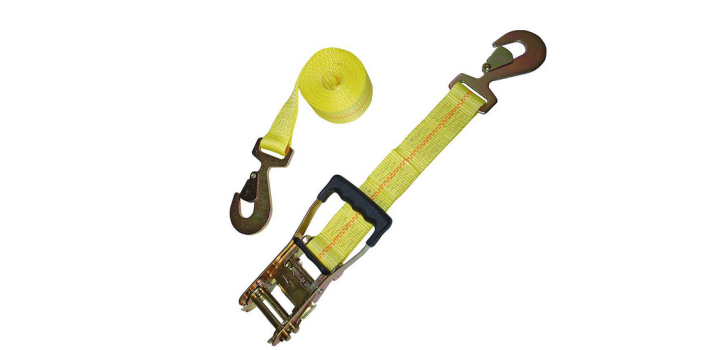
Our preparedness lifestyle often requires us to haul things. Bulk supplies, fuel, farm equipment, and heavy vehicles are just a few examples. I have a background in construction, industry, and transportation. I have been trained in load securement techniques that conform to OSHA and DOT standards, and I apply them in my personal life. Load securement is not only for the workplace. Why? I want to avoid the consequences of doing a job improperly.
In my previous career in the poultry industry, employees had to follow a lot of rules. We had a saying: “Rules exist because somebody did something stupid and got hurt.” I know that for people experienced in industry, having the safety guy looking over your shoulder and critiquing your work is not a fun experience. You want to get the job done and get on with your day. Sometimes a shortcut works, sometimes it gets you hurt. When society is running well and there is an ambulance and a hospital close by, perhaps taking a risk now and then might not cost you much. But what happens when those services are unavailable? Planning for crisis events in the future should involve planning to be more careful than you are now.
Let me start with the consequences of improper load securement. The lowest level is missing your stuff. My father lost a roll of garden wire off his truck, one afternoon. A simple thing. But before he could turn around, somebody who had seen it drop had stopped and stolen it. That cost about $50. There have been multiple times as a commercial driver where I have nearly hit lost cargo on the highway. Often, I see refrigerators! That kind of hazard is really unsettling, not to mention wasteful. Even used appliances can cost several hundred dollars. Sure, there may be more at the store right now, but maybe not in the future. Or maybe there won’t be the money to pay for it. Load securement simply prevents loss.Continue reading“Proper Load Securement: An Essential Safety Skill, by Swampfox”