Editor’s Introductory Note: Over the years, we’ve published several articles on beekeping in SurvivalBlog. But this is our first fundamental article on pollinators. If you want to have abundant crops, then you should encourage pollinators, locally! – JWR
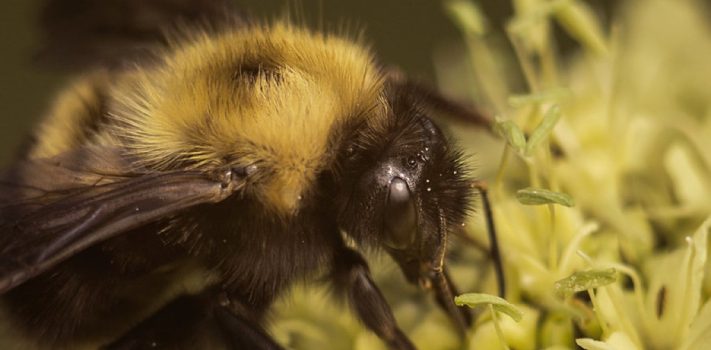
We are getting help with crops, fruits, nuts, and vegetables from little flying, crawling things you probably know little about. They are animal pollinators of plants. A book about pollinators has a first sentence of the first chapter that says it is impossible to overstate the service they provide to plants. You can do a lot to help pollinators, no matter where you live, to give them much-needed habitat that will allow them to thrive.
According to the U. S. Department of Agriculture (USDA) more than 100 grown crops in the US rely on pollinators. These crops include apples, blueberries, strawberries, melon, peaches, potatoes, and almonds. Wild berries also need pollinators. In dollar terms, the added revenue to grown crop production attributed to pollinators is valued at about $20-30 billion. Yes, the dollar figure comes from federal agencies and varies between them, so skepticism is warranted. There’s no doubt, though, pollinators are important to the US farm economy. Worldwide, they pollinate 75-95 percent of all flowing plants and more than 1,200 crops according to the North American Pollinator Protection Campaign.
A pollinator is any living thing that helps carry pollen from a male part (anther) of a flowering plant to a female part (stigma) of the same or another flower. Not all plants need pollinators, of course, because they self-pollinate or rely on wind and rain. For those more than 100 grown crops in the US and wild berries, however, this movement of pollen, a form of genetic material, must occur for the plant to become fertilized and produce fruit, seeds and new plants.Continue reading“Encouraging Plant Pollinators, by Steve R.”