(Continued from Part 1.)
Gardens and Jungles
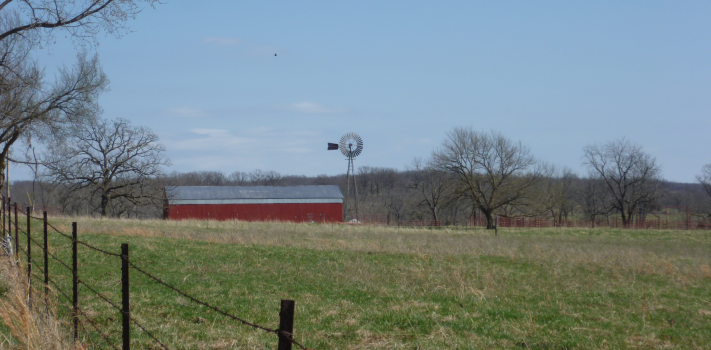
In my Year 2 update that was posted in SurvivalBlog last summer, I shared that I had nothing but garden failures. There are several problems I had to solve with gardening where I live. First, I had to turn a lawn into a garden. Second, plowing only brought up dormant seeds that I jokingly say are from all the surrounding counties. Third, there is no water piped out to the garden and I didn’t have enough water due to the previous well situation. Fourth, we had a semi-drought in year 2. Fifth, the wildlife here was absolutely delighted with the garden buffet set before them: birds, rabbits, voles, squirrels, deer, etc. Sixth, I chose a wonderful spot for the garden with excellent sun exposure, only to find out it was in a “wind tunnel” every Spring! The wind ripped up the ground cover and tossed it over the fence three times. I would staple it back down, and boom, another storm, and more work. Very discouraging. And seventh, my homestead sits atop a rocky hill. There are more rocks of all sizes in my soil than you can imagine.
Remember that if you purchase “emergency seeds” or a “seed vault”, there is zero guarantee that you are going to be able to create a garden from scratch and eat from it the first season. This is year 3 for me! Did I get some produce the last couple of years? Yes, but it would never have fed a family. It was more like Show and Tell: “Oh, look there, a potato, a zucchini, is that a little watermelon under the weeds, what in the world ate all the sweet potato slips?” I ended up purchasing produce from a neighboring farm, and from the Amish.Continue reading“Year 3: An Honest Look at the Farm – Part 2, by SaraSue”