Our Garden Produce Roadside Stand, by R.J.

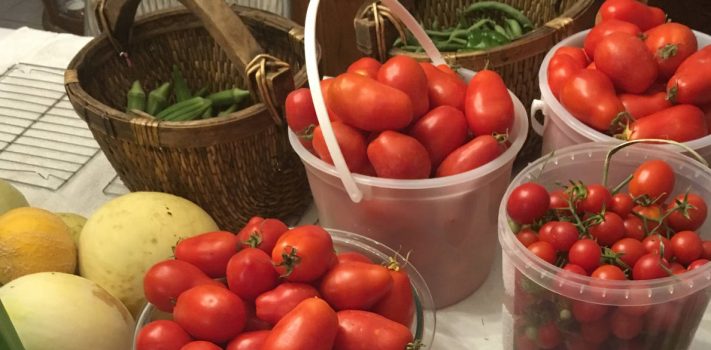
For the past 10 years, my wife and I have been selling our produce out of a small (4 feet wide, 4 feet deep, and 5 feet high) open-faced vegetable stand which is located on our property next to a public road. The stand contains a variety of produce, priced to sell. It is unmanned, thereby relying on human honesty to pay the asking price. Our efforts have been most rewarding in more ways then just giving us a little extra spending money. We are eating better, have more meaning in life, are healthier, and often have discussions with our …
Property Scouting in the Redoubt, by Pickled Prepper

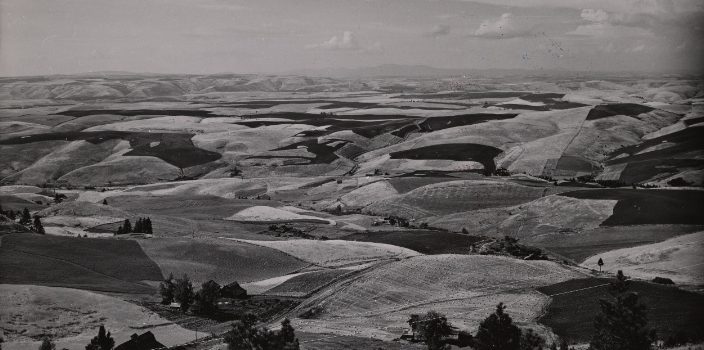
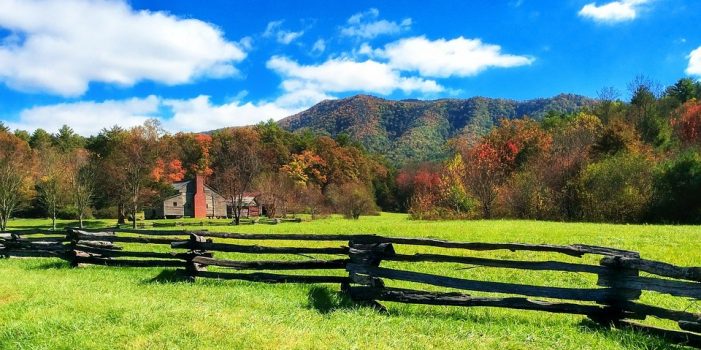
Like many others SurivivalBlog readers, I hope to one day move to the American Redoubt. In the summer of 2018, my wife and I took the first step: an eight-day trip to Montana and Idaho to look at properties, get a feel for the places in which we were interested, and to meet people. Our goal was not to buy a house or property this trip, but to start what may be a multi-year process that ensures that when we pull the trigger we hit our target rather than making a decision we come to regret. We also want to …


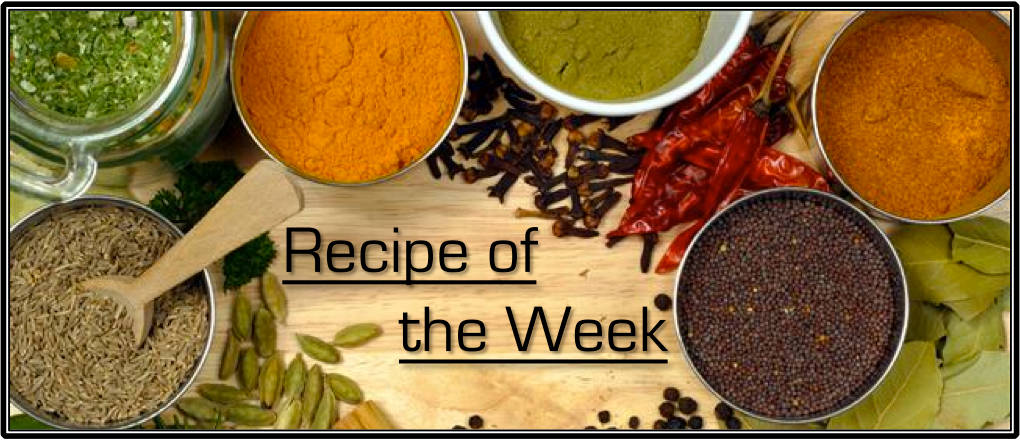
Recipe of the Week: Cornbread Crumble Turkey

Reader Arlene X. kindly sent us one of her favorite recipes: Arlene’s Cornbread Crumble Turkey (Serves Four Adults) Ingredients: 1 C Buttermilk 1 Tbsp Dijon Mustard 4 Skinless turkey fillets (about 3 oz each) 4- by 4-inch square of cooked cornbread (about 1 C of cornbbread crumbs) 1 Egg white 1 C Chicken broth 1 Tbsp Cornstarch 1 lb Frozen baby carrots 1 Tbsp Fresh sage, rinsed, dried, and chopped (or 1 tsp of dried sage) 1 Tbsp Butter Directions: Preheat oven to 350 ºF. Combine buttermilk and Dijon mustard. Mix well. Add turkey fillets to buttermilk mixture to marinate …


The Crash In US Economic Fundamentals Is Accelerating, by Brandon Smith

Note: This article first appeared at Alt-Market.com, and is re-posted with permission. When looking at the health of an economic system it is impossible to gauge growth or stability by only taking two or three indicators into account. The problem is, this is exactly what central banks and governments tend to do. In fact, governments and central banks wildly and deliberately promote certain indicators as the signals everyone should care about while ignoring a whole host of other fundamentals that do not fit their “recovery” narrative. When these few chosen indicators don’t read well either, they rig the numbers in …


Train Your Tracking Dog – Part 2, by Dogdancer

(This part concludes a two-part article.) Step One: Show the dog that searching is a game played under special circumstances. The way our search team did this was by having a unique harness that dogs wore only when training or going on a search. In this way, every time you put that one harness on the dog, he understands he is getting ready to search for something. It’s like a boxer putting on his gloves, or a biker pulling on his helmet. Step Two: Associate following a ground scent with gaining a food reward. Here’s where one friend can help. …


Train Your Tracking Dog – Part 1, by Dogdancer

January 2017, about 3:30 a.m. on a moonless sub-freezing night – and I sure didn’t want to get out of a warm cozy bed. The nervous tapping of the inside-dog’s nails on the floor echoed as he paced around the dark bedroom. Something was bothering him. When I listened, I could hear the distant sound of the outside-dog’s repeating slow bark – the same alert he gave whenever Granny stepped out of her house. Granny, 84, lived in a home situated over a small rise about 500 feet from our house, deep in the rural Ozark Mountains. Elderly, forgetful, hard-of-hearing, …


It is Planting Time – Part 3, by L.R.

(This installment concludes the 3-part article series.) In Part 2, we discussed the variety of foods you may want to plant when vegetable gardening. Plant what you like to eat, but also be aware that different foods have different caloric content. If you want to preserve food as a hedge against a grid down, you may want to grow a variety of high calorie foods like corn, beans, potatoes and peas. We also looked at two popular methods of preserving food, freezing and canning (although you may want to experiment with dehydrating and pickling as well). Additional Thoughts If you …


It is Planting Time – Part 2, by L.R.

PART 2 In Part 1, my goal was to share with you the value in raising a home vegetable garden, especially if you consider food resupply in a grid down situation. Hopefully, I encouraged you to seriously think about raising your own food and to get started with learning valuable gardening skills. I also wanted you to be realistic in meeting your gardening goals and not to expect perfection especially with your first gardening efforts. In Part 2, I’d like to share some perspective on what vegetables you may want to plant and consider options on how to preserve your …


It is Planting Time- Part 1, by L.R.

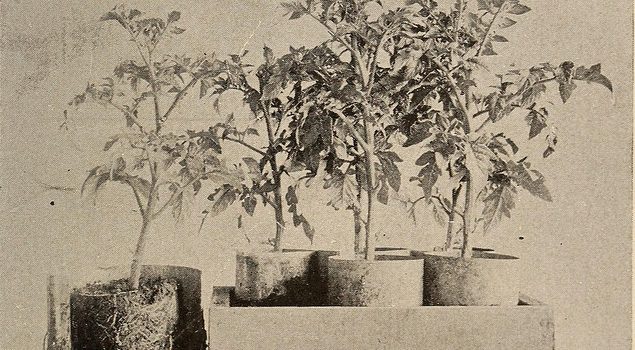
PART 1 (Of 3) With the end of winter and the frost date for my area passed, my thoughts naturally turn toward my vegetable garden and this year’s crop. During the harvest last year, I saved a number of seeds for planting again this year, I also saved a ton of money purchasing seeds from our local Co-op left over from the end of last year’s growing season. Properly stored, I’ve found they germinate at very respectable rates and I have always had good luck planting them. I’ve been an avid home gardener for better than twenty years; that’s certainly …


Preparedness Lessons from the 1930s – Part 2, by J. E.

(Continued from Part 1. This part concludes the article.) Twice a year the cabin was emptied of everything. The walls, floors, and ceilings were scrubbed with lye soap and a bristle brush. All the belongings were also cleaned before they came back into the house. This was pest control and it was needed until DDT became available. Even then, bedbugs, lice, ticks and other creepy crawlies were a fact of life and were controlled by brute force. Failure to do so left you in misery and maybe ill. Foods were stored in bug proof containers. The most popular was fifteen …


Preparedness Lessons from the 1930s – Part 1, by J. E.

It’s one or two years after an EMP attack and you are safely tucked away in your retreat somewhere in the middle of nowhere. Your storage foods have mostly been used and your high tech electronics is useless. The really bad stuff is mostly past. Now it’s try to stay fed and alive and pray that civilization as you know it is coming back. You’re going to have to work your environment to live. Ever wonder what life might be like to Homestead? What would it really be like to have no running water, electricity, sewer, newspaper or Internet? No …


Prepper Complacency, by Wood Tamer

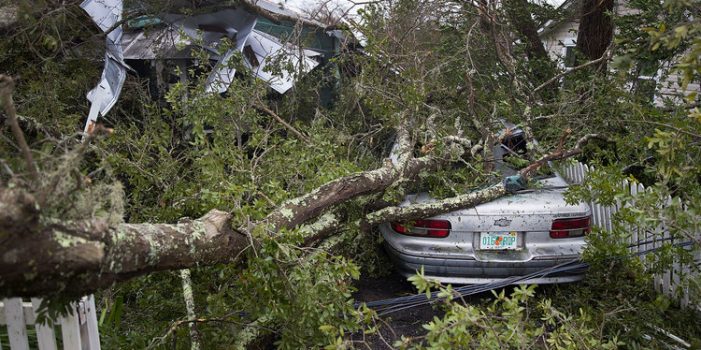
In this writing I will be referencing Hurricane Michael. This is not just a narrative about my experiences with this hurricane but rather a reflection on my life experiences as a prepared individual, family, and neighborhood. Throughout my life I could probably be defined as an individual more prepared for unexpected events than most others. That was not necessarily by design but rather necessity and lifestyle. I was raised in a large family and we always needed to make ends meet. As an adult I have been blessed with an abundant life without much adversity or concern until I heard …


Displacement Planning – Part 3, by J.M.

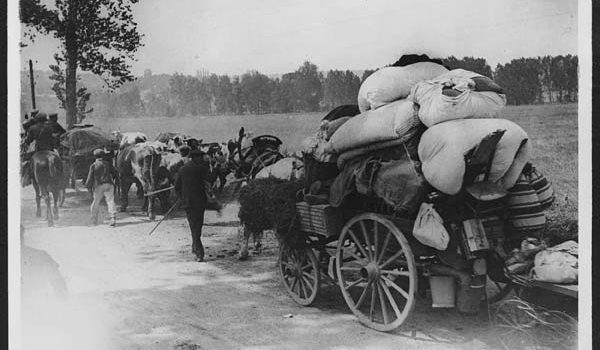
(Continued from Part 2. This concludes the article series.) Regardless of how you plan on loading equipment and supplies, it is critical that you document a loading plan. This should define what gets loaded in what order and where it’s loaded. How detailed this needs to be depends on your requirements – if you’re planning on walking from your location to a well-stocked bug-out compound, keeping a simple bug-out bag packed will probably meet your needs,  since you won’t need to pack much to get going. However, if any significant amount of packing or loading will be required prior to …


Displacement Planning – Part 2, by J.M.

(Continued from Part 1.) Depending on the circumstances you may be able to utilize GPS for navigation along your planned route. To do so will probably requires that you have the appropriate maps and app(s) downloaded locally on your device (don’t rely on an Internet connection being available) and that your device be charged for the duration of the displacement. If you plan on using GPS you should also include some sort of external battery pack for each person so they can recharge their device. Due to the relatively delicate nature of electronics (including GPS satellites), I strongly recommend that …


Displacement Planning – Part 1, by J.M.

(The first of the three-part series.) One of the primary tenets of the preparedness community is that we want to be prepared for any eventuality. We stockpile supplies, develop skills and make changes to our homes and lifestyles to help increase the chances that we can survive any scenario that we might encounter, be it natural or man-made. In regards to displacing in the event of a major SHTF situation, some people plan on taking the ‘forting up’ approach and fortifying their current location, while others favor the ‘bug out’ approach and plan on relocating to a more secure location. …