
Preparedness Notes for Thursday — October 9, 2025

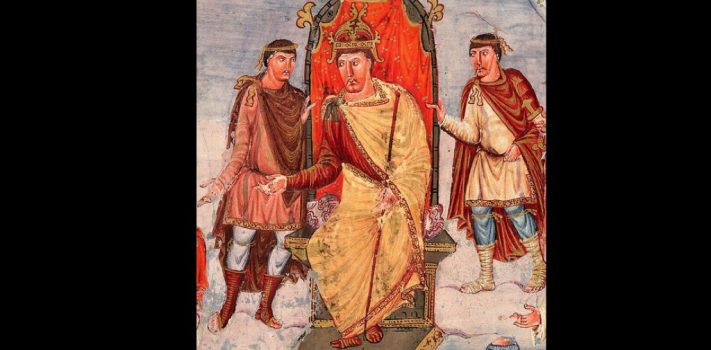
On October 9th, 869: Charles the Bald (a.k.a. Charles II of West Francia) was crowned king of Lotharingen. — October 9, 1000: Leif Ericson discovers “Vinland” (possibly at what was later named L’Anse aux Meadows, Canada) reputedly becoming the first European to reach North America. — And on October 9, 1999, the last flight was made with a Lockheed SR-71 “Blackbird”. — SurvivalBlog Writing Contest Today we present another entry for Round 121 of the SurvivalBlog non-fiction writing contest. The prizes for this round include: First Prize: A Gunsite Academy Three Day Course Certificate. This can be used for any …


The Three Stages of TEOTWAWKI – Part 3, by St. Funogas

(Continued from Part 2.  This concludes the article.) STAGE 2: SURVIVAL MODE The survival phase is the intermediate period between the very short-term emergency phase and the time when things finally settle down to the New Normal phase. Once everyone is finally gathered together at the homestead, defenses set up, the freezer contents are canned, freeze dried, smoked, or those blueberries made into cobbler as a comfort food during those first few stressful days, and once we’ve got meals back to some sort of a schedule, chores divvied out, watch times established, and water and propane conservation rules tacked to …


The Survivalist’s Odds ‘n Sods

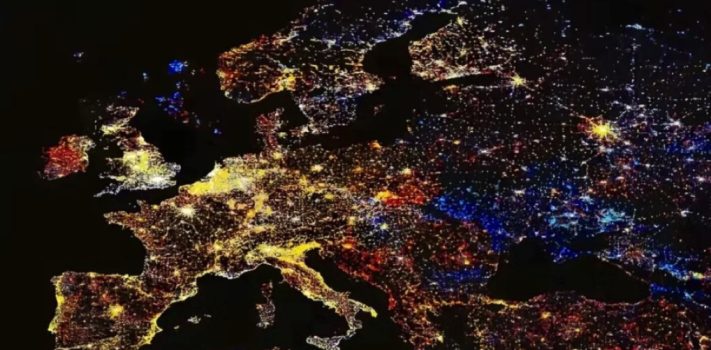
SurvivalBlog presents another edition of The Survivalist’s Odds ‘n Sods. This column is a collection of news bits and pieces that are relevant to the modern survivalist and prepper from JWR. Our goal is to educate our readers, to help them to recognize emerging threats, and to be better prepared for both disasters and negative societal trends. You can’t mitigate a risk if you haven’t first identified a risk. In today’s column:  Louder War Drums, in Europe. A Run on Canned Goods and Radios Over In Denmark: A Run on Canned Mackerel and Emergency Radios. The Reason? Drones. The BBC …


The Editors’ Quote of the Day:

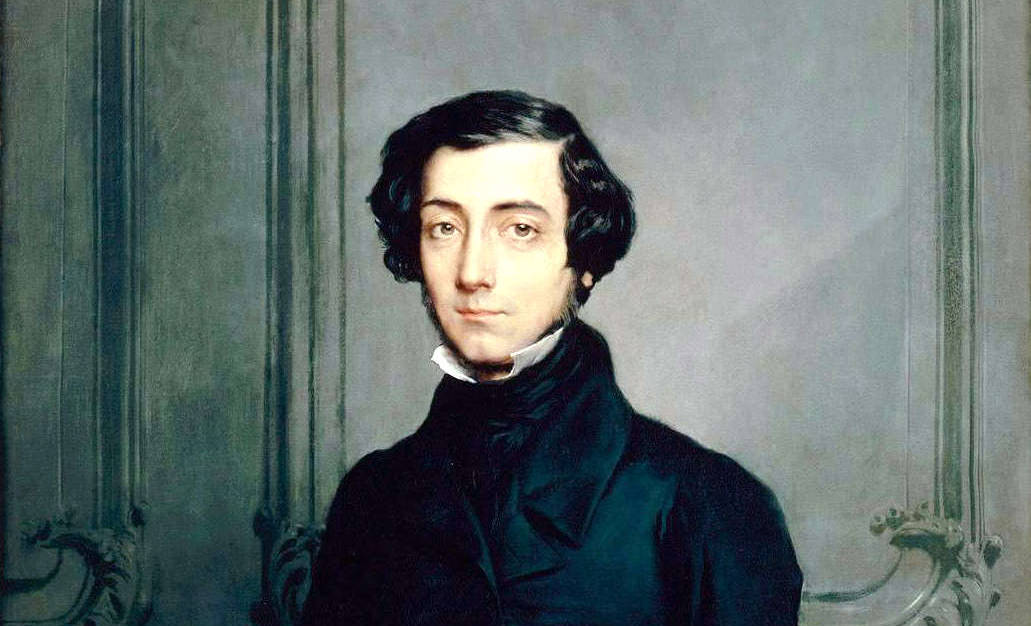
“Citizens were truly free when they could engage ‘what is just and good without fear.’ Liberty was therefore a positive act of will. Liberty was not an ‘enemy of all authority’ but ‘a civil and moral’ quality that made it possible for individuals, singly or in groups, to realize their potential. Tocqueville, who believed in the possibilities of human achievement, embraced the idea of liberty as capable of fostering equality. With liberty empowering individuals, equality could spread. There began the great challenge of modern history, that of balancing liberty and equality. Tocqueville kept arguing in successive formulations that the two …