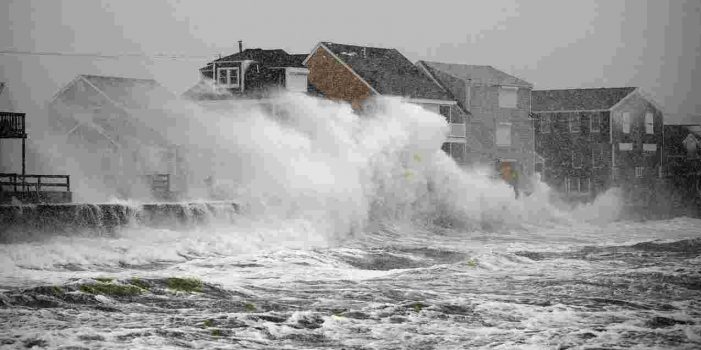
We knew this storm was a short-term situation, and so we used it as an opportunity to test systems and find holes in our plans. Keep that in mind as you read this article. We just experienced very heavy and sustained winds and no snow/rain/flooding, which would obviously bring a whole new set of challenges.
Generators
Backup generators are critical. Ours is a “portable”, 10K watt starting (8,500 running watts), gasoline-powered Generac. It has a 30 amp plug and cord that is then connected into a cable that connects into a 50-watt sub panel we have integrated to our home main electrical panel. That home panel has a dedicated set of circuits that can run critical components, such as the furnace, kitchen appliances, and outlets, a few rooms with light, and our upstairs MBR and bathroom with power. It also runs our septic and well systems. Lots of comforts were had when 95% of the neighborhood was dark and without water or septic.
Running a Noisy Generator
We ran the generator at three-hour intervals during the day and turned it off as we slept. The unit ran for approximately 12 hours, and it drank around four gallons of gasoline. It is loud, but all the neighbors have acreage around us, and I didn’t find that anyone beyond my closest neighbors who could hear it. I would like to see about some sort of muffler enhancement to make it less noisy. The generator also has a pull string start, which is handy because the battery is quite dead. We would have been more conservative with the hours running the generator, but we knew that this was a short-term situation. It was a good time to run a good test and learn some lessons.
Continue reading“Our 36-Hour Test During the Nor’easter Wind Storm, by RR in the Mid-Atlantic”