This article was originally published on Ammo.com.
The Role of Civil Asset Forfeiture
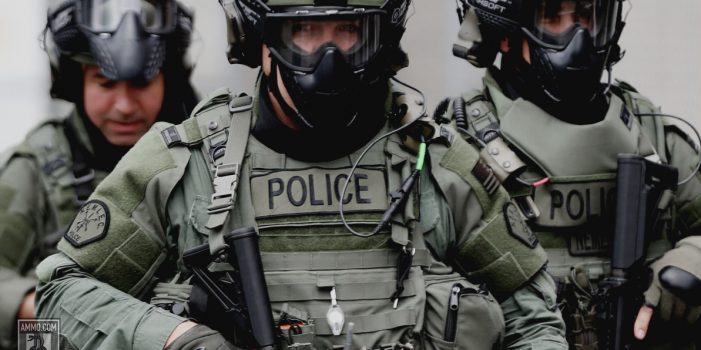
Civil asset forfeiture (CAF) is a major driver in the militarization of the police force. Put simply, CAF is a legal principle that allows police to seize money and property from “suspected” criminals, which they can do without a warrant because the suspect’s property doesn’t have the presumption of innocence. Note that police do not have to convict or even indict. Indeed, indictments are not even filed in over 80 percent of all cases. Police can simply seize property, more or less at will, with some property harder to seize than others. Seizure of anything under $20,000 will almost certainly stand because that’s about what it’s going to cost you to fight CAF in court.
Most of the money raised through civil asset forfeiture is filed under “other.” This can be anything from a $600 coffee maker to a tank. Because the burden of proof is so low and the benefits are so high, CAF is effectively a legally allowed form of theft by police officers, allowing them to purchase military-grade hardware with stolen property. Here is a short list of military hardware purchased with civil asset forfeiture funds:
- $5 million helicopter for the Los Angeles Police Department
- $1 million mobile command bus for Prince George County, Maryland
- $227,000 for a Lenco brand armored vehicle in Douglasville, GA, a town with a population of 32,000
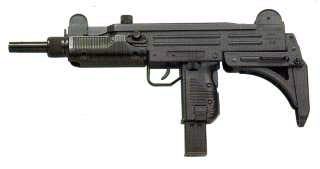
- $54,000 for 27 M-4 assault rifles in Braselton, GA, a town with a population of 9,476
While not the sole, nor even the primary, means by which the police are becoming militarized, this is a significant method for police departments to bankroll their own militarization.