If you’re serious about prepping and/or homesteading, chances are you have some animals on your property. Maybe it’s just a few chickens for eggs; maybe you have some other birds as well. You might have a beef steer or heifer, pigs, or even some goats or sheep. There’s a huge variety of animals to get, and just as many reasons to get them: meat, milk, wool, whatever. The point is that if you’ve taken on the responsibility (and privilege) of raising animals, then you’ve also taken on the responsibility of protecting them from predators. Anyone who’s raised chickens for a long time has probably lost at least one to hawks, foxes, raccoons, or some other hungry outdoor resident. Those who raise larger stock have bigger things — literally — to worry about, depending on the area they live in.
Sure, you could make sure you’re armed when you’re outside (and you’re armed all the time, right?) but you’re not out with your animals 24-7, and fences, pens, and coops only do so much to keep your animals safe. How can you protect them when you aren’t around?
The single best way to do that is with a livestock guardian dog, or LGD.
LGD vs. Farm Dog
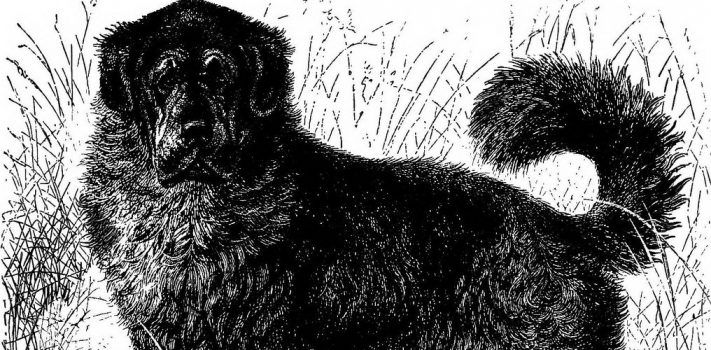
A lot of farms have dogs, but an LGD is an entirely different kind of animal — and only select breeds of dog can do this work. Bred from thousands of years of work in austere conditions guarding livestock, the LGD is not “your” dog. They don’t bond to you the same way as other dogs, they don’t seek to please you, and they don’t much care what you think; in fact, they can be quite apathetic toward you, preferring the company of their stock. If properly trained, they are completely bonded to your animals, which becomes their pack of sorts. They spend every minute of every day with their animals, and they are bred to think independently. They can follow basic commands (and should be taught a recall command and a few things like “sit” to make the rare farm visit from the vet a bit easier), but for the most part their job is to evaluate threats on the property, deter them through barking and aggressive posturing, and if that doesn’t work, confront and even kill them — no matter what it is or where you are at the time. Their entire purpose in life is the safety of their animals, and they will do whatever it takes to fulfill that role even if it means fighting something much bigger than they are.
Continue reading“Protecting Your Farm Animals With a LGD, by Kit Perez”