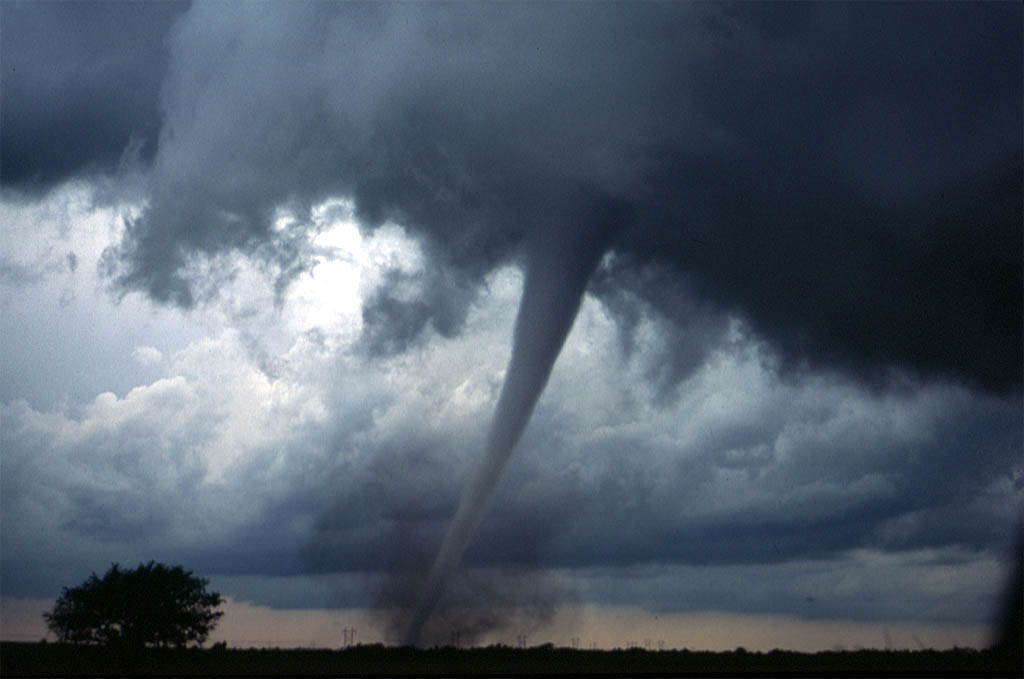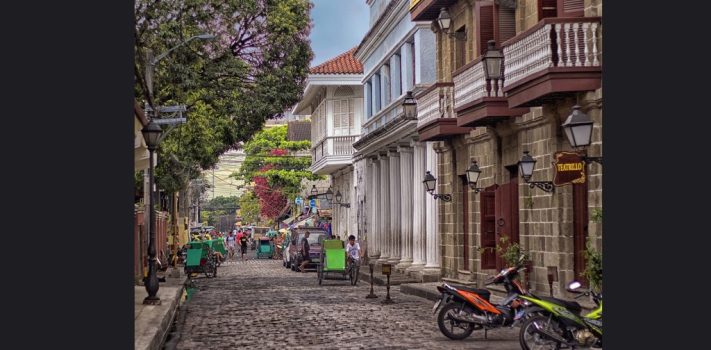
Twelve years ago, I moved to the Philippines to escape U.S. economic pressures—tax hikes, healthcare mandates, and a struggling economy. Now, with over a decade of experience, I’ve gained a perspective on life here. This guide, refined for aspiring expats, covers natural disasters, construction, security, education, a unique location in Subic, and critical considerations for accessing specialized services like medical care.
The Climate and Agriculture
The Philippines offers a year-round growing season, but gardening is tough. Red clay soil demands effort, and ants and weeds are relentless. The dry season—hot and arid—requires irrigation or hydroponics. Fresh produce prices spike during dry and wet seasons, especially outside hubs like Angeles City. Most food comes from valleys north of Manila, so remote areas face higher costs and less fresh goods.
Food and Markets
Beef is expensive, often limited to low-quality imported cuts. Pork, while cheaper, has doubled in price over 12 years. Fish is a luxury unless you’re in a fishing village; city fish suffers from middlemen markups and poor refrigeration. Wet markets, the main source for fresh goods, are often unhygienic, with odors of decaying meat. Exceptions exist, but cleaning standards like bleach or pressure washing are rare. I buy only dry goods or thoroughly cooked items, avoiding raw meat.Continue reading“Expatriating to the Philippines: 12 Years to Reflect, by M.B.”