When TEOTWAWKI happens, none of us know how it’s going to go down. Will it be a natural destructive force or world war? An asteroid or weapons of mass destruction? Massive starvation or biological warfare? Maybe you’ll have to bug out and leave home. Or maybe you’ll have to stand your ground and defend what’s yours. We have no idea what the world will be like, only that it will be different.
Regardless of how it happens, after TEOTWAWKI, all aspects of survival need to be considered. Of course, hunting, fishing, and foraging for edibles are necessary. And of course, be prepared with non-perishable foods and MREs. But long-term survival requires more. It requires a renewable food source that provides a wide range of nutrients and minerals, preferably in the form of fresh foods.
And that’s exactly what gardening does. Sure, gardening provides fresh fruits and vegetables to consume now, but if you grow surplus, it also provides food for preserving for times when fresh foods are not available. What’s more, gardens can also provide medicine, as well as feed for livestock, such as bees, rabbits, and chickens. This can expand your renewable food source to include sugar, meat, and eggs.
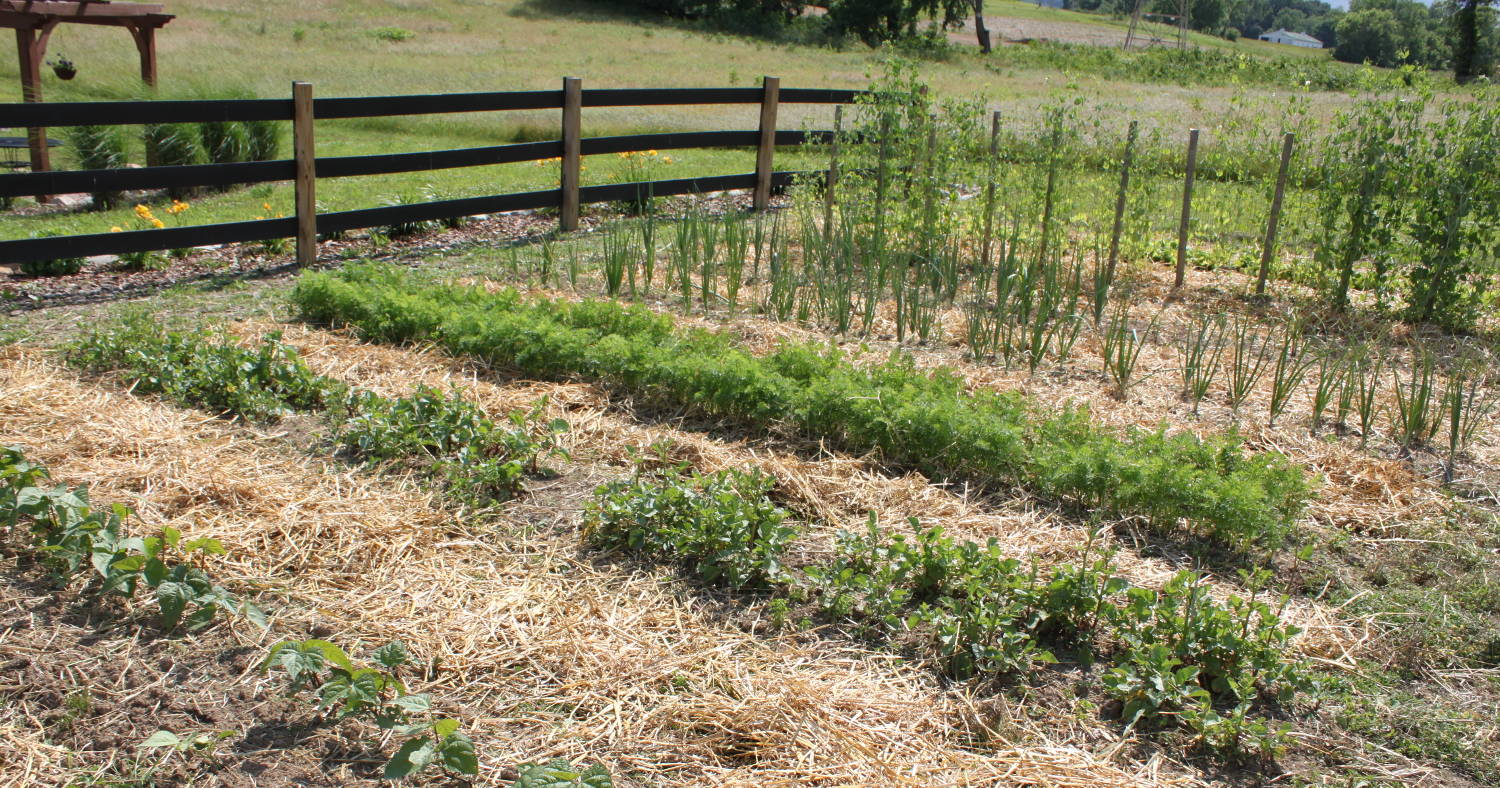
But let’s be realistic. What we think of as traditional gardening is most likely not going to be possible after TEOTWAWKI. First, our “modern” gardens are labor intensive. If a backyard garden were truly going to provide enough food to sustain a family, it would take hours in weeding and managing, something that most likely can’t be done in a world post-TEOTWAWKI.
In addition, many of the vegetables we grow in our gardens today take three or more months to reach fruition and a long-term commitment isn’t something that may be possible after SHTF. To make matters even more difficult, modern gardening isn’t designed to self-propagate, which means more working overtime to keep things growing and producing.
And then there’s the fact that a traditional garden, with its nice neat rows and lines, is easy to see. And, if we’re planning for the worst, having strangers see your food source isn’t something we want to happen, as they could steal or destroy it, both of which could be detrimental if you’re planning on it as a major part of your food supply.
So we can agree that traditional gardening is most likely out and not realistic for TEOTWAWKI. But here’s the thing: Humans will return to growing plants for food. It may be right after the SHTF or it maybe five or ten years down the road. But when you’re talking long-term survival, gardening will most likely have a role to play.
That’s why you should start now. Gardening gives you good practice in learning to see life from a plant’s point of view and allows you to work on your green thumb, which can take longer than many realize to develop. Gardening also gives you the opportunity to get some growing spots established for future use, just in case you need them, but more on that in a bit.
What to Grown in Your TEOTWAWKI Garden
When it comes to gardening, most people tend to grow the same types of things: tomatoes, cucumbers, zucchini, broccoli, cabbage. But in a post-disaster world, you’re not going to want to follow that same path. As mentioned previously, many of the plants grown in gardens today aren’t the best option for your TEOTWAWKI garden. They take too long to grow, they don’t have a long shelf life, and they don’t self-propagate. Plus, depending on where you live, many of these plants may not necessarily thrive in your post-TEOTWAWKI environment.
So let go of what you expect your garden to be filled with, and, instead, consider growing some of these.Continue reading“The TEOTWAWKI Garden, by M.C.”