(Continued from Part 1. This concludes the article.)
Traditional Double Action Pistols
Aside from striker-fired pistols, the traditional double action/single action (“TDA”) pistol has a following. Examples of this design are the SIG P226 and the Beretta M9. With this type of action, the pistol is carried with its exposed hammer in the down position. The first shot is fired with a long, heavy double action trigger pull. After the first shot, the pistol cocks itself, and subsequent shots are fired single action, with a lighter, shorter trigger pull.
Given that the hardest thing about shooting a pistol is learning how to press the trigger to the rear while keeping the sights on target, TDA has never seemed optimal to me. The shooter has to learn two different trigger pulls. It is also necessary, after you are done shooting and prior to re-holstering, to de-cock the pistol, usually by pressing a lever of some type, which process safely lowers the hammer. This extra step needs to be trained and drilled. It is unsafe to holster a TDA pistol like the P226 or M9 with the hammer cocked.
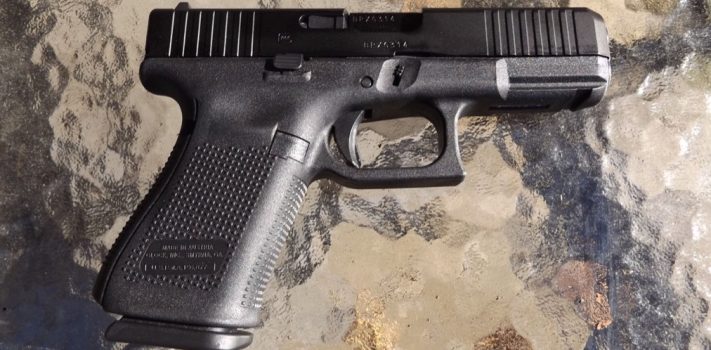
I was once assigned to take a group of court bailiffs to the range for their annual firearms qualification. These guys were a very low-speed group, who did not do any shooting at all other than once per year for the state-mandated qualification. They were issued SIG 229s chambered in .40 S&W. After the first string of fire, I instructed the line to holster. Not a single one of them de-cocked their pistol before holstering. These were certified law enforcement officers who were being paid to carry these guns and if necessary use them to protect the court. I did some on the spot remedial training and got them through the course. I also suggested to the sheriff that he move the department to Glocks, which he eventually did. The incident illustrates one of the downsides to TDA pistols—they are more complex to operate than striker-fired guns.Continue reading“Handguns For Hard Times – Part 2, by Rufus King”