After a single Federal Reserve rate hike of 75 basis points (0.75%) I am noticing a trend among mainstream economists whipping out their crystal balls and predicting an almost immediate reversion to deflationary conditions. In their view, a recession will “balance everything out.” For most of these people, I would suggest that they keep their crystal balls in their pants; they have been consistently wrong and it’s time for them to shut up. If you were predicting that inflation would be “transitory” last year, then you have no right to act like you are an economist today.
It’s going to take a lot more than one semi-aggressive rate hike from the central bank to stop the inflation problem, and when I say “inflation” I am talking about PRICE INFLATION, not the mere increase of the money supply or a bubble in stock markets. There are far too many financial analysts out there that don’t even grasp what true inflation really entails.
There are certain sectors of the economy that will indeed see deflationary pressures. Real GDP, for example, is witnessing declines. Retail sales are in decline. US wages are stagnant in comparison to prices. Housing sales are now falling rapidly. Manufacturing is dropping. Yet, prices continue to remain high. Clearly there is a mix of inflationary and deflationary elements within the same economic crisis. In other words, it’s a stagflation event.
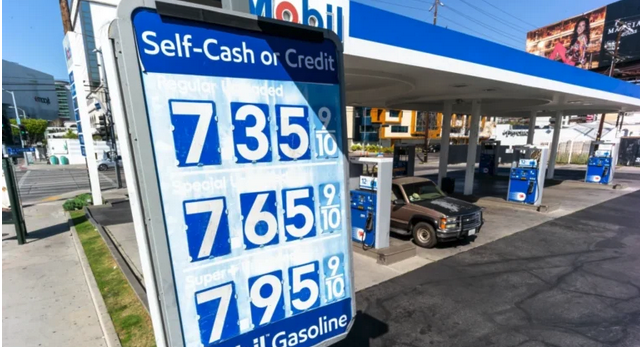
An area in which prices continue to climb without much relent is energy. The mainstream blames this almost entirely on Russia’s conflict with Ukraine and the evolving sanctions against Russian oil and natural gas. However, gas prices were spiking well before Russia ever invaded Ukraine. Inflation in the overall economy hit 40-year highs long before Ukraine became an issue, as Federal Reserve Chairman Jerome Powell finally admitted this past week.Continue reading“The Gas Inflation Crisis Is Far From Over, by Brandon Smith”