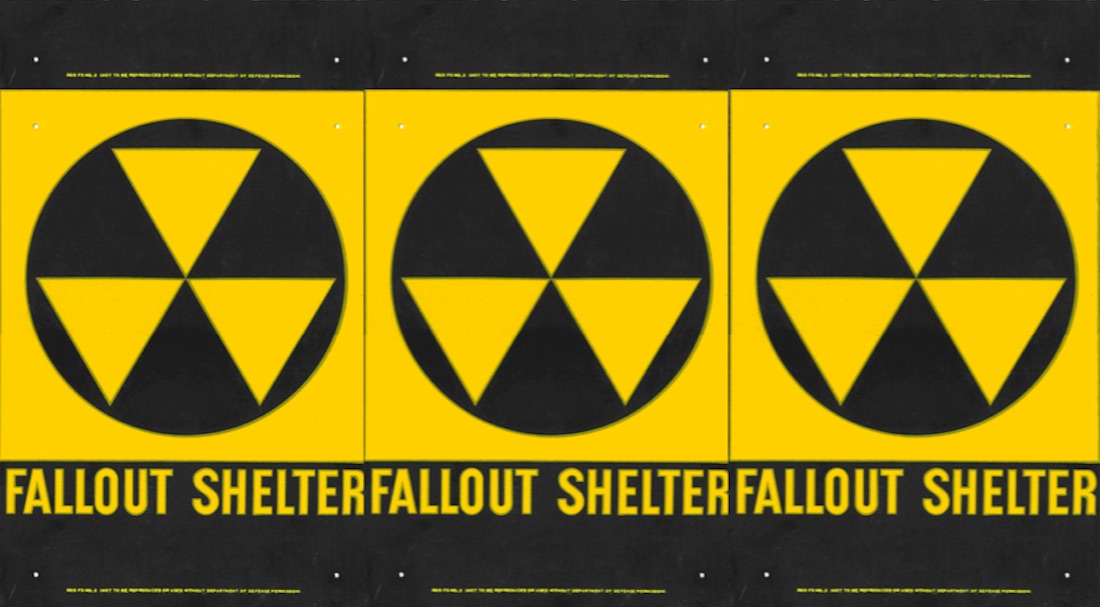
Sometime between the First World War and the start of the Second World War the concept of civil defense or civil protection was born. The original purpose was to protect civilians from aerial bombing. After World War Two, the United States dismantled its civil defense corps. With the US the sole possessor of atomic weapons, there was no perceived need to spend money on civil defense. That perception did not last long due to the Soviet Union testing their first nuclear weapon in 1949. President Truman re-established civil defense with the goal of protecting the civilian population against a nuclear attack.
Over the next 29 years there would be several renditions of civil defense until the Federal Emergency Management Agency (FEMA) was formed. President Carter empowered FEMA to prepare for disasters and to continue civil defense efforts. In 1994, with the repeal of the Civil Defense Act of 1950, FEMA suspended preparations for nuclear attack. Without the federal mandates and grant requirements many states started to follow suit. Following the terror attacks of 2001 and the advent of the Department of Homeland Security (DHS), FEMA started to plan for a nuclear terrorist attack. The problem with the current DHS/FEMA nuclear terrorist attack planning is that DHS/FEMA assumes that only one city will be attacked. Other assumptions include a relatively low-yield weapon and that the unaffected surrounding areas can assist with the response. The current DHS/FEMA guidance is totally insufficient to address the needs from multiple nuclear weapons detonating across the nation.
With the current situation in Eastern Europe it is extremely important to understand both the past civil defense capabilities and the current non-existent civil defense capabilities of the United States but we also need to understand the civil defense capabilities of the former Soviet Union and those of Russia today.Continue reading“YOYO Civil Defense, by 3AD Scout”