(Continued from Part 2.)
Weather
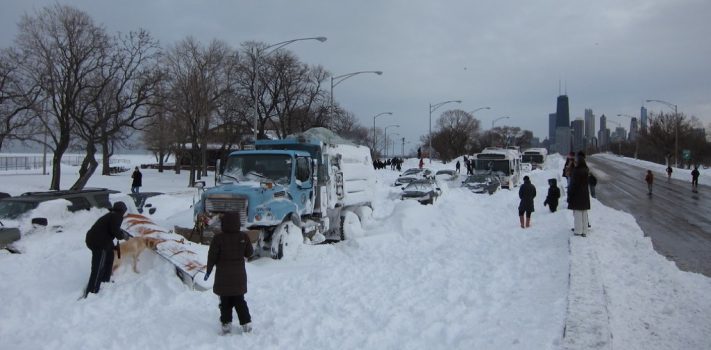
The weather can have a significant impact on both the trackers as well as the trackees. A clear sunny day can make it easier to follow someone visually and detect signs of their passage, while rain, snow, fog or mist can reduce visibility and require trackers to close the distance or move slower to locate sign. At the same time, snow on the ground will leave obvious footprints and is one of the easiest conditions in which to track someone, unless it’s snowing hard enough or blowing snow that fills in or covers tracks. Rain will soften the ground and increase the chances of leaving footprints, but heavy rain can also wash away signs. Wind can carry sounds and scents, increasing their detection distance, and odors can be more easily detected in cold weather.
As a trackee you may have the advantage of choosing what kind of conditions you travel in, depending on the weather and your schedule.
Distance/Schedule
From a tracker’s perspective, distance is an enemy – in most scenarios, the further you have to track someone the more likely you are to lose them, assuming the tracker can’t outpace the trackees and catch up to them. The trackers also need to decide if they have enough resources to continue a long pursuit, and if the end goals are worth the investment in time and resources.
As a trackee you may have the option of taking a longer and more convoluted route to your destination, giving you more of a chance to detect and evade any trackers or break your track. If you have the right gear you may also be able to continue traveling at night, which may make it harder to track you.Continue reading“Hiding and Tracking – Part 3, by J.M.D.”