Humans are no strangers to catastrophe. Through the centuries, civilizations across the earth have succumbed to volcanic eruptions, earthquakes, floods, plagues, and crop failures. Regardless of where this took place, or the people it affected, there was a rebuilding of society and life went on.
For many of us, we focus on surviving the immediate effects of disaster or catastrophe, but few focus on what comes next, the recovery or rebuilding phase. Just like being prepared to survive the immediate impacts of an incident starts in the years long before the disaster ever strikes, so does preparing for rebuilding our community. Let us explore some strategies for being better prepared to rebuild society after the end of the world as we know it (TEOTWAWKI).
The importance of recovery preparedness
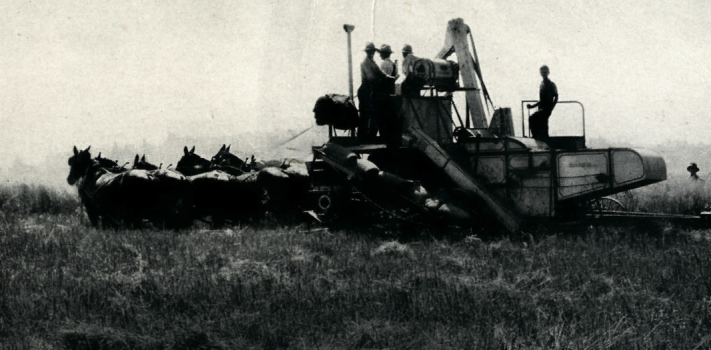
Humans are, for the most part, a very sociable race and this has allowed us to build complex societies, that have come to a point, where we enjoy the most leisure time in human history. Diseases responsible for keeping the average life expectancy in the 40s to 60s are now rare and it is common for people to live into their 80s, 90s, and even over 100. Clean water and sewage treatment have also aided in adding to our life expectancy. The Information Age has made it quick and easy to find information and to learn skills at a faster pace. An event, that ends the world as we know it, will erase about 150 years of progress and with it will bring back diseases, more injuries and deaths due to reverting back to manual labor and free time will be a sparse luxury. To clarify, I am not talking about tornadoes or floods but rather large-scale incidents like a coronal mass ejection (CME), electromagnetic pulse (EMP), or other events whose impacts are long-lasting and felt across much of the globe.Continue reading“Post-TEOTWAWKI Community and Employment – Part 1, by 3AD Scout”