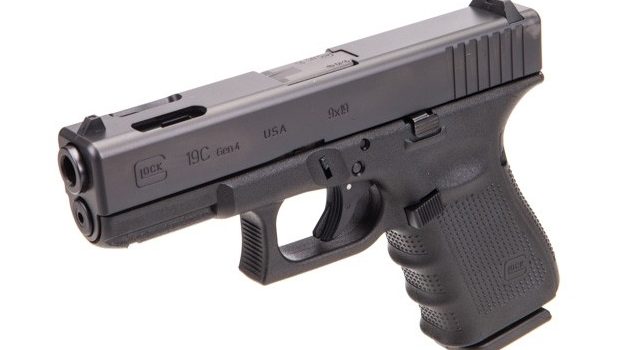
Author’s Note: I am not affiliated with Glock or the Glock Sport Shooting Foundation other than volunteering as a range officer at their matches and shooting their matches.
JWR likes to say that owning a gun doesn’t make you a shooter any more than owning a surfboard makes you a surfer. You need to learn, train, and practice. Practical pistol disciplines such as International Defensive Pistol Association (IDPA) and International Practical Shooting Confederation (IPSC) are outstanding ways to practice, but they can be intimidating to the novice. That’s where the Glock Sport Shooting Foundation, or GSSF fits in. Glock started GSSF in 1991 to promote safe and proficient use of their product. GSSF matches are structured to be beginner-friendly. Unlike disciplines such as IDPA and IPSC, there is no movement, no drawing from a holster, no reloading on the clock, and no complicated rules such as use of cover, etc.
I first encountered GSSF nearly 20 years ago when my club where I lived in Kentucky at the time asked for volunteers to assist at a match. I volunteered and was put to work as a target paster, putting stickers over the holes on targets in between shooters. The next year, I volunteered again and also signed up to shoot the match. Soon, I was recording scores and times, then running the timer and ensuring the safety of the shooters. I’ve now volunteered at about 50 matches, in Kentucky (two locations), Wisconsin, Missouri, South Dakota, and Nebraska (two locations). As a volunteer, I have encountered a broad spectrum of shooters, from people who have never shot a firearm before and just came from the gun store with their first gun new in the box, to master shooters who shoot a stage in 3 seconds with perfect accuracy. I have served as a range officer for shooters from age 9 to 90, and people with various disabilities including people in wheelchairs or on scooters. I’ve seen many families participating in GSSF matches together.Continue reading“Using GSSF Matches to Prep, by Iowa Dave”