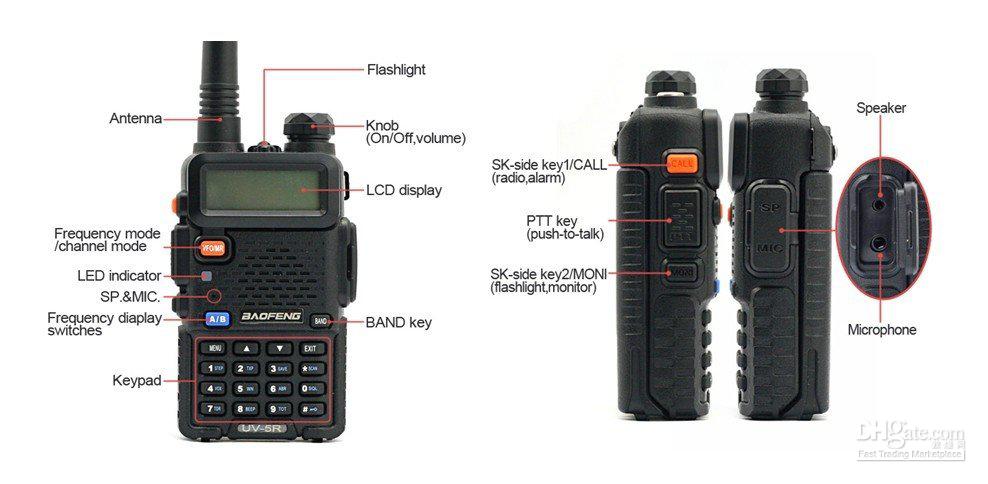
The following examples illustrate low-tech and unconventional uses of radio that are widely available. I am an unaccomplished civilian with no training on any of these topics and have little formal education of any kind. I am self-taught using the resources available in military manuals and on the Internet.
Avoiding RDF and Attacks by Drones: Remote TX
Since preppers are not militarily significant targets, it is unlikely scarce resources would be used to locate our low-power transmissions. That said, because drone technology is rapidly progressing and drones are now ubiquitous on the battlefield, we might anticipate that future drone swarms will evolve. They might be comprised of many kinds of drones, to be akin to a combined arms team. Some would be used for surveillance and some for attack, and so forth. We have yet to see what the cutting-edge Chinese drones are capable of on a future battlefield and how they will be used.
To avoid being located via Radio Direction Finding (RDF) and taking a direct hit from a drone or something else when threat conditions are high, we should not transmit using UHF/VHF/HF using groundwave propagation from a retreat or homestead if a drone might be in the area. If being DF’ed and targeted, the ‘cut’ only needs to be within a 500-meter square area for indirect fire to be effective. If the best RDF techniques are used by a SIRT team, a 10-meter square area can be identified making a a pinpoint attack possible. If this is the threat, the transmitter should be located at least 25 meters away from the hide, and a good E&E plan be in place. However, knowing that Low Level Voice Interception (LLVI) is exceedingly difficult to locate via RDF, we can be confident that our effort to avoid interception is possible if we practice proven techniques such as using very low power, directional antennas, and terrain masking. These same techniques can also mitigate an RDF effort by drones, as well.Continue reading“Low Tech Unconventional Radio Techniques, by Tunnel Rabbit”