SurvivalBlog presents another edition of The Survivalist’s Odds ‘n Sods. This column is a collection of news bits and pieces that are relevant to the modern survivalist and prepper from JWR. Our goal is to educate our readers, to help them to recognize emerging threats, and to be better prepared for both disasters and negative societal trends. You can’t mitigate a risk if you haven’t first identified a risk. In today’s column, more war drums…
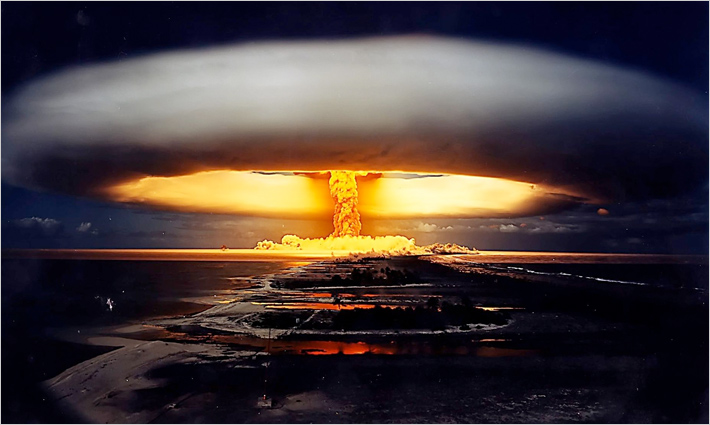
80% of Americans Fear WWIII is Imminent
Reader H.L. spotted this: 80% of Americans fear World War III is imminent. An excerpt:
“The survey, which polled 1,000 Americans across party lines, found that concern about a potential global conflict transcends political affiliations. Republicans and third-party voters expressed the highest levels of anxiety, with 84% and 83%, respectively, fearing an impending world war. While slightly lower, Democratic concern remains significant, with 74% sharing similar worries.”
A Major Chicken Products Recall
Major Recall of Over 300 Ready-to-Eat Chicken Products From Trader Joe’s, Costco, and More. (Thanks to reader D.S.V. for the link.)
Ex-ICBM Silo In Kansas Listed For $749,000
H.L. sent this: Zillow Gone Wild: Ex-ICBM Silo In Kansas Dubbed A ‘Zombie-Proof Underground Fortress’, Listed For $749k.