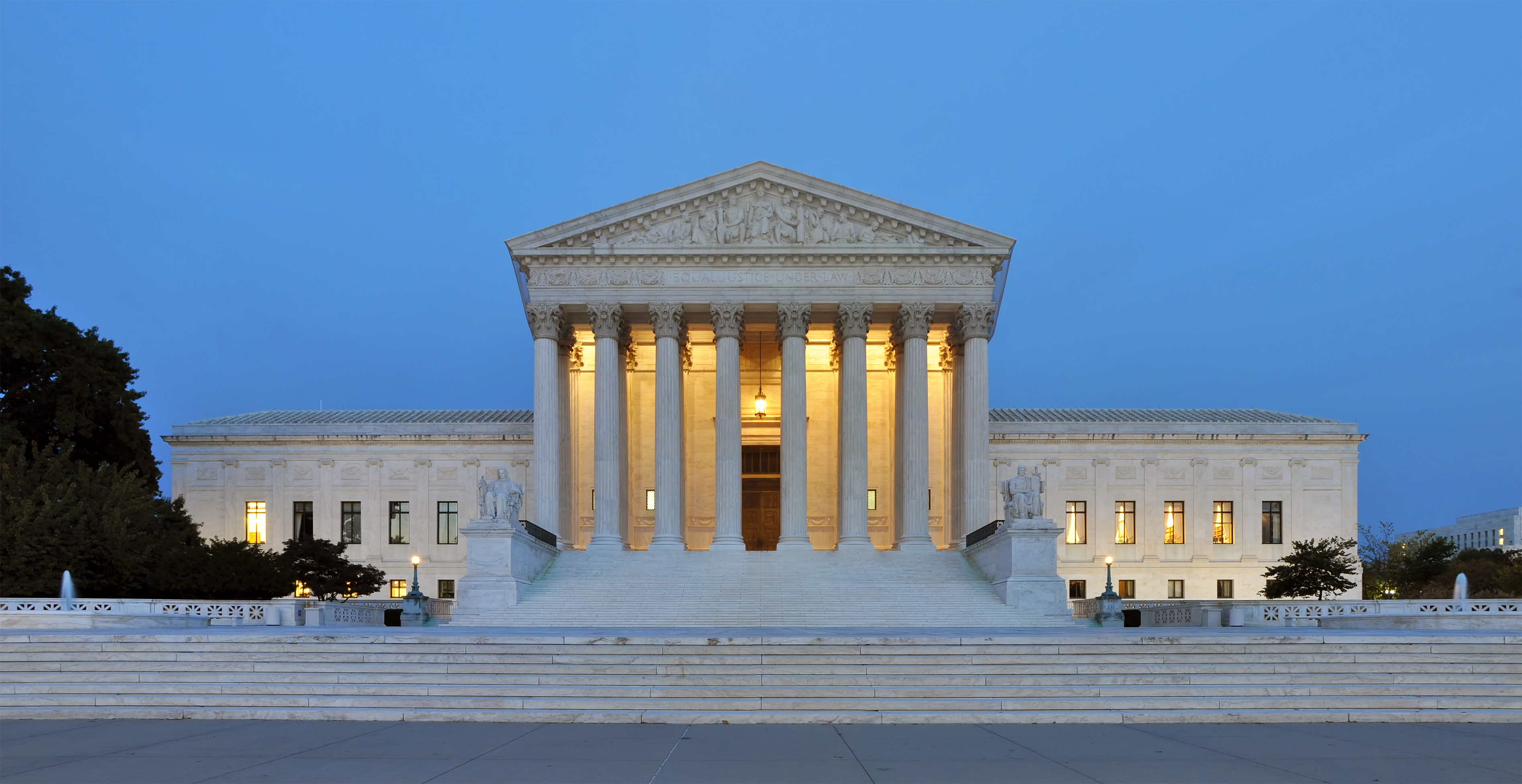
Last week, Americans got some important and long-awaited news: Supreme Court strikes down Chevron, curtailing power of federal agencies. Without a doubt, the 1984 Chevron v. Natural Resources Defense Council case was a very bad decision that had some far-reaching and lasting consequences. Under the Chevron doctrine, courts have often been required to defer to “…permissible” interpretations by federal agencies of the statutes that those agencies administer.
Under Chevron, this deference extended to even when a court had a different reading of the relevant statute. It thus, in effect, allowed Federal agencies to create law, and ofttimes be beyond the reach of the courts. Even worse, it effectively gave unelected bureaucrats the powers of all three branches of government. Namely, they could create regulations like the legislative branch, they could adjudicate some cases like the judicial branch, and of course, they could enforce regulations as part of the executive branch.Continue reading“A Difference in Deference: The End of Chevron”