(Continued from Part 2.)
Operating the M1941 In Extreme Weather
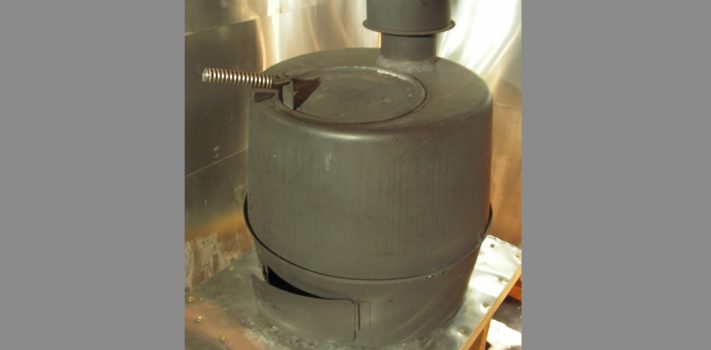
I’ve found that the M1941 at -30F will provide adequate heat for a cabin that is not insulated and that is no more than 300 square feet in size. It will keep you comfortable and the water in the plumbing flowing if those pipes are exposed to the cabin’s interior.
It will burn 6 to 8 loads of wood every 24 hours at that temperature depending on the type of wood used and how it was processed or split. One load of wood will fill a 6-gallon plastic bucket. Larger rounds of wood should be no longer than 12 inches in length. Kindling can be up to 15 inches in length. I use 5-gallon metal paint buckets to haul this wood in because these can also be used to melt snow on the stove, do the laundry, and heat large amounts of water for cleaning. Metal buckets are multipurpose and nearly indestructible.
A water bowl for the pets that is located on the floor will however freeze solid during the night when the stove is shut down. Before ‘hitting the sack’, heat soak the cabin with a load that is burned hot. When that load is nearly exhausted, fill up the firebox and then shut the stove down for the night. It would be best to set the alarm clock to allow 4 hours of sleep and awaken you so that you can refill the firebox and run the stove hot and until that load is consumed, and then go back to sleep for another 4 hours. When running the stove ‘hot’ during subzero temperatures, watch the stove carefully so that that top or the sides and rear of the stove glow no more than a faint dull red, as seen in a dark room. Choke down the air intake so that the stove will not be run too hot. The stove will last longer, be less likely to fail in a catastrophic way just when it is needed most, and the risk of fire to the structure is greatly reduced.Continue reading“U.S. Military Tent Stoves – Part 3, by Tunnel Rabbit”