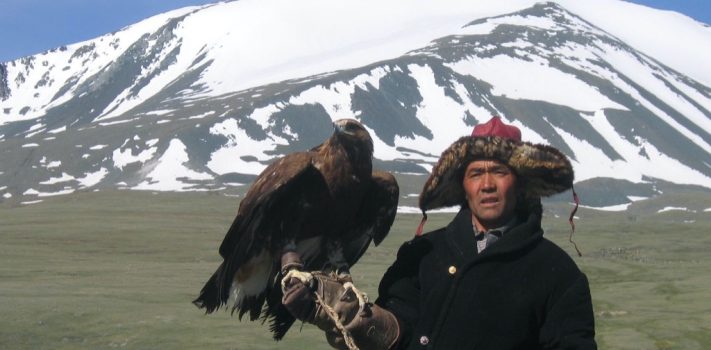
We lived in Mongolia in the early 1990s, for a few years after the collapse of the Soviet Union, during a time when the system had officially ended but its habits had not yet loosened their grip on daily life. I was in my early thirties, married, with two young daughters, trying to build a life far from anything familiar. We were not passing through, and we were not insulated expatriates. We were attempting to function inside the local economy, under local conditions, with consequences that were immediate and personal.
At the time, I did not think of what we were doing as preparedness. I had no language for it. There was no ideology attached to the experience, no checklist to consult, no theory to reference. There was simply life as it presented itself each day, and life required adaptation. At first, the differences felt cosmetic. Language, clothing, food. Small disorientations that seemed manageable with time and effort. But slowly, and then unmistakably, deeper assumptions began to collapse.
Food was the first. There were no grocery stores in the sense we understood them. No aisles. No fluorescent lighting. No refrigeration cases humming steadily in the background. Food came instead from informal markets and small vendors, scattered and inconsistent, appearing and disappearing without explanation. Availability shifted from day to day, sometimes from hour to hour.Continue reading“Preparedness Lessons From Communist Mongolia – Part 1, by G.K.”