
Notes for Thursday – February 25, 2016

February 25th is the birthday of bluegrass music legend Ralph Stanley (born 1927). His harmonizing and high tenor soloshave an almost haunting sound to them, but I must mention that I was disappointed to hear that he once made a campaign commercial for BHO, back in 2008. Something tells me that he now regrets having done so.

o o o

Today, we present another entry for Round 63 of the SurvivalBlog non-fiction writing contest. The nearly $12,000 worth of prizes for this round include:

First Prize:

  1. A Tactical Self-Contained 2-Series Solar Power Generator system from Always Empowered. This compact starter power system is packaged in a wheeled O.D. green EMP-shielded Pelican hard case (a $1,700 value),
  2. A Gunsite Academy Three Day Course Certificate that is good for any one, two, or three day course (a $1,195 value),
  3. A course certificate from onPoint Tactical for the prize winner’s choice of three-day civilian courses, excluding those restricted for military or government teams. Three day onPoint courses normally cost $795,
  4. DRD Tactical is providing a 5.56 NATO QD Billet upper with a hammer forged, chrome-lined barrel and a hard case to go with your own AR lower. It will allow any standard AR-type rifle to have a quick change barrel, which can be assembled in less than one minute without the use of any tools and a compact carry capability in a hard case or 3-day pack (an $1,100 value),
  5. Gun Mag Warehouse is providing 20 Magpul PMAG 30-rd Magazines (a value of $300) and a Gun Mag Warehouse T-Shirt; (an equivalent prize will be awarded for residents in states with magazine restrictions),
  6. Two cases of Mountain House freeze-dried assorted entrees in #10 cans, courtesy of Ready Made Resources (a $350 value),
  7. The Ark Institute is donating a non-GMO, non-hybrid vegetable seed package (enough for two families of four) plus seed storage materials, a CD-ROM of Geri Guidetti’s book “Build Your Ark! How to Prepare for Self Reliance in Uncertain Times”, and two bottles of Potassium Iodate (a $325 retail value),
  8. A $250 gift certificate good for any product from Sunflower Ammo,
  9. KellyKettleUSA.com is donating both an AquaBrick water filtration kit and a Stainless Medium Scout Kelly Kettle Complete Kit with a combined retail value of $304, and
  10. Two cases of meals, Ready to Eat (MREs), courtesy of CampingSurvival.com (a $180 value).

Second Prize:

  1. A Glock form factor SIRT laser training pistol and a SIRT AR-15/M4 Laser Training Bolt, courtesy of Next Level Training, which have a combined retail value of $589,
  2. A transferable certificate for a two-day Ultimate Bug Out Course from Florida Firearms Training (a $400 value),
  3. A Model 175 Series Solar Generator provided by Quantum Harvest LLC (a $439 value),
  4. A Trekker IV™ Four-Person Emergency Kit from Emergency Essentials (a $250 value),
  5. A $200 gift certificate good towards any books published by PrepperPress.com,
  6. A pre-selected assortment of military surplus gear from CJL Enterprize (a $300 value),
  7. RepackBox is providing a $300 gift certificate to their site, and
  8. Safecastle is providing a package of 10 LifeStraws (a $200 value)

Third Prize:

  1. A Royal Berkey water filter, courtesy of Directive 21 (a $275 value),
  2. A $245 gift certificate from custom knife-maker Jon Kelly Designs, of Eureka, Montana,
  3. A large handmade clothes drying rack, a washboard, and a Homesteading for Beginners DVD, all courtesy of The Homestead Store, with a combined value of $206,
  4. Expanded sets of both washable feminine pads and liners, donated by Naturally Cozy (a $185 retail value),
  5. Two Super Survival Pack seed collections, a $150 value, courtesy of Seed for Security, LLC,
  6. Mayflower Trading is donating a $200 gift certificate for homesteading appliances,
  7. Montie Gear is donating a Precision Rest (a $249 value), and
  8. Two 1,000-foot spools of full mil-spec U.S.-made 750 paracord (in-stock colors only) from www.TOUGHGRID.com (a $240 value).

Round 63 ends on March 31st, so get busy writing and e-mail us your entry. Remember that there is a 1,500-word minimum, and that articles on practical “how to” skills for survival have an advantage in the judging.

Winter Survival- Part 3, by R.C.

In Your Home

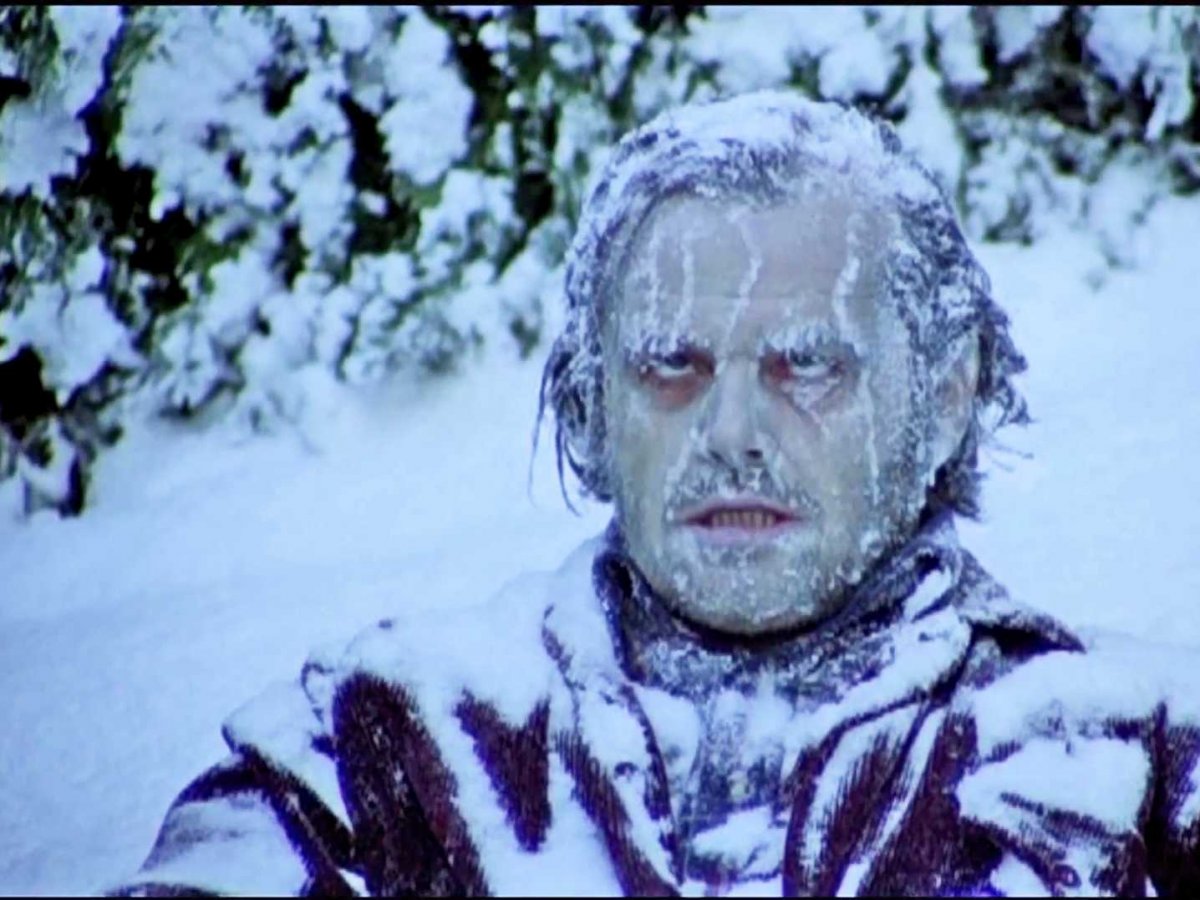
In the first two parts of this series, we talked about how to survive on foot and in your vehicle in winter weather conditions. In this third part, we will discuss some plans to survive in your home during a cold weather event. The two worst fears for many of people who read this blog is that “the event” happpens in the winter and the grid goes down. The easy answer would be, I’ll get in my car, use mass transit, or fly somewhere that’s warm. During this past storm, we saw the shut down of all three means of escape. There were reported as many as 36 deaths attributed to this winter storm; most of those were from traffic accidents, carbon monoxide poisoning, and heart attacks from shoveling, as I read.

The main concern for winter survival in your home is heat, followed by food and water and the ability to cook and boil water. Sanition and hygiene can difficult to deal with. Lighting is very important as well as home defense, and don’t forget about your pets and livestock. Having some cards and board games would be helpful, and don’t forget about a way to charge your devices so that your kids (or spouse) don’t have a “melt down”.

Heat is my main concern. Having multiple ways to heat your living space or sleeping space safely can make the difference between life or death for your family. If the grid goes down your heating system may not work, so it’s time to bring in the space heaters. On a safety note, always think about the fire danger as well as the danger from CO poisoning. Have fire extinguishers in plain view, and go over how to use them. Buy a couple of extra smoke/CO detectors and have extra batteries. Remember that fire and EMS personnel can’t get around much better than you, and they will be busy with all the calls on the roads. Most of the 85 millon people in the path of this storm had never seen 30 inches of snow, let alone had knowledge of how to deal with it or an idea of what happens when it melts, so give the plow guys a break. This could be a YOYO (your on your own) event, so plan for such accordingly. Okay, stay on task.

If you have a fireplace or, even better, a wood stove and some wood, you are in much better shape then those who don’t. You can use wood to heat your house, cook, and boil water and provide lighting. That’s how we all survived before the grid existed. My fireplace is very inefficient, and I only plan to use it to heat the living space during the day as well as cooking in it. I have a small woodstove I can rig up in the small bedroom we plan on sleeping in. Having a Kerosene heater and some lamps is another way to heat and light, and you can cook with one as well. I own a lamp with a cooker on the top of it. My plan is to use lamp oil in lanterns and good quality Kerosene in the space heater. Having extra wicks for the lamps and heater would be helpful as well as knowing how and when to trim them. Propane heaters that are designed to run indoors can be a quick way to heat your small space in a grid down event. It can be used to cook and for light, too. Just make sure you have a ventilated area to do so. My Mr. Buddy can use small propane cylinders or a large tank. I have an adapter to fill small cylinders with a large tank if need be. I try to store a few filled propane tanks; they are easy to transport and propane does not go bad.

Finally using unleaded gas in duel fuel stoves or lanterns is my back-up for my back-up. Only, be sure to use these in well ventilated areas.

We plan too sleep in a small bedroom as a family and may even set up the family tent indoors to conserve heat. Make sure to have extra sleeping bags and blankets and have every one wear hats and warm clothing. If you do have space heater in the room, make sure you have ventilation and a CO detector.

Cooking will warm up your living space, so as long as you have food on hand and the fuel, keep cooking. Start with water for coffee or tea, cook breakfast, bake bread, heat soup. You can keep yourself occupied, heat the living space, and provide the extra fuel for your body to stay warm. If you are hungry, you will probably be cold as well.

If you have water and the pipes won’t freeze, use your toilets. If it is below freezing and you can’t maintain your heat, shut your water off and drain your waterlines after you fill up your containers. Then you can set up a porta potty or 5-gallon buckets with some wag bags in your bathroom. The shower can be used with a solar shower with heated water, or use bucket baths. It is important to drink alot of water so you don’t get dehydrated, have plenty of drinking water stored, and keep water in the warm part of the house.

It will be dark in your house. Try to have headlamps for everyone with extra batteries. Solar lamps are great; put them in the windows in the day, and put them around the house at night. I have some that screw on top of canning jars or landscape lights work also. Candles are okay. Just be sure not to start a fire with them. I got a few candle holders that fit in 2-quart canning jars, then I place them in front of a mirror to reflect the light. Generators require a lot of fuel, are noisy, and attrack alot of attention. They should be chained up so they don’t “walk” away. They are also dangerous emitters of CO. People could get desperate and think that if you have a generator you have heat, food, water, et cetera. Have a plan to defend your homestead. My garage will be padlocked. My front door will be locked and covered with plastic. We will have two means of exit and able to guard the other exits. It would be helpful to have early warning devices, like battery-powered door stop alarms and a dog to alert you. You should have some less lethal means of defense, like bear spray or use the firefighter defense– spray ’em with the white stuff and hit ’em with the red thing.

Do not forget your pets or livestock; keep clean water out for them and give them extra feed. You may have to heat a metal pail of rocks and thaw their frozen water a couple of times a day. That’s how they did it before heat lamps and heated water bowls.

I hope some of these suggestions might be helpful for those planning on winter survival on foot, in your vehicle, or in your home.


More About the Coming Forced Digital Currency Swap

The many recent headlines about doing away with the 500 Euro Bill and the $100 Federal Reserve Note, serve as confirmation of my January 28th Essay: Digital Currency: The Key Tool of 21st Century Monolithic Nanny State Tyranny.

The Powers That Be are pushing to go cashless sooner rather than later. In this new era of negative interest rates, there is no point in leaving funds in a bank. However, this could create a shortage of physical cash, and since less than 1% of the money supply is in physical bills (the rest is just electronic ledger entries) there is a possibility of a “cash panic”, if even just a small minority of depositors pulled out their funds and demanded cash. My advice: Don’t be what economist Dr. Gary North calls The Third Guy In Line. Panic early and avoid the rush. Pull some money out of the bank, while you have the chance. Don’t dawdle. Hedge your bets; ask for some of your withdrawal in the form of rolls of nickels. Buy some pre-1965 mint date circulated 90% silver dimes and quarters. (Pay for those coins in cash locally, and don’t leave a paper trail!) Also consider buying some Swiss Francs, especially if you do any overseas travel or hold a second passport. You can buy Swiss Francs at most major airports. (Bring U.S. cash.) I predict that the Swiss Franc may be the veritable “Last Man Standing”, after the other currencies have gone digital. This could mean huge gains (in relative buying power) for holders of Swiss Francs. By the way, there are shortages of Swiss franc notes, so then get Swiss Franc-denominated Traveler’s Checks.

The War On Cash is analogous to the ongoing War On Guns. The same Statists who want to limit you to nothing more than archery equipment and harsh language for self defense, also want to limit you to just 0’s and 1’s in some computer for your currency. The bottom line: Digital currency is all about control. (As I’ve mentioned before, the ability to instantly zero out someone’s account is the ultimate form of control over The Sheeple.)

One closing thought: Digital currency will be worthless in the event of a power grid collapse. The only people still able to transact some basic business and feed their family will be those who hold the old fashioned alternatives!

Wake up, folks! Don’t delay on securing these hedges. – JWR


Economics and Investing:

The Subprime Auto Loan Meltdown Is Here – Sent in by RBS

o o o

Japan’s Negative Interest Rates Are Driving up Sales of Safes – Sent in by G.P.

o o o

Items from Professor Preponomics:

US News

Central Banks Should Stop Paying Interest on Reserves (Mises) Excerpt: “In 2008, the Federal Reserve began paying interest on reserve balances held on deposit at the Fed. It took more than seven decades from the US leaving the gold standard — in 1933 — for the fiat regime to do this and thus revoke a cardinal element of the old gold-based monetary system: the non-payment of any interest on base money.”

Texas Business Bankruptcies May Double: “The Carnage is Going to be Terrible” (The Dallas Morning News) Excerpt: “Texas business bankruptcies jumped significantly in 2015, but lawyers and financial experts say last year’s increase is nothing compared to the tidal wave of corporate failures headed this way.”

North Dakota’s Oil Bust Shatters, Shifts Dreams of Illinois Transplants (Chicago Tribune) Excerpt: “But the floor dropped out from under Turco in the middle of 2014, when an oil glut led to a plunge in gas prices that delighted drivers but indirectly put an estimated 250,000 global oil and gas employees out of work, including Turco. He returned home to the Midwest and self-destructed.”

US Oil Industry Buckling Up for Biggest Production Cuts (CNBC) Excerpt: “The talk of a possible freeze by the world’s largest oil producers has helped push oil prices higher, but it is also being met with skepticism, since it does not include any cutbacks in output. The other issue is that Iran has said it supports the deal but has not said it would agree to go along.”

International News UBS: Globalisation is Collapsing Around Us (Business Insider) Excerpt: UBS… “Economic pressures may be local but economic principles are generally universal. Political risks are, however, far more parochial in their nature. Understanding political risk requires a greater investment in time and resources than does understanding economic risk. As political risks rise investors are likely to keep money closer to home (where familiarity breeds reassurance).”

Europe’s Banks Fear the CoCo Market is Dead (The Telegraph) Excerpt: “If prices stay at these levels, no bank will be able to issue and you end up with an unsustainable capital structure….”

There Will Be Another Crisis. It’s Just a Question of When. (The Telegraph) Excerpt: “Bubbles always burst. But some grow a little larger and float a touch longer on the breeze before they do. The question, therefore, is not ‘if’ but ‘when’. One wrong step by the world’s central banks and that could be sooner rather than later.”

Personal Economics and Household Finance

99 Cent Solutions: Easy Ways to Save Thousands of Dollars (Reader’s Digest) Check Amazon for great savings and affordable prices on used copies of this handy resource with lots of ideas designed to help save you money!

o o o

SurvivalBlog and its editors are not paid investment counselors or advisers. Please see our Provisos page for details.


Odds ‘n Sods:

A warning on genetic testing. While it may be illegal to offer health insurance based on genetic testing, the rules don’t apply to life insurance. Think twice about submitting to such intrusive measures. – H.L.

o o o

I got hacked mid-air while writing an Apple-FBI story. The reader should understand that the author got hacked because he ignored basic OPSEC protocols while accessing the Internet over public WiFi. But the story serves as a reminder that OPSEC should be observed at all times. – P.M.

o o o

Israel gas reserves triple than originally thought. Israel is looking for companies to invest and drill for gas and oil now. – Avalanche Lily


Notes for Wednesday – February 24, 2016

Today, we present another entry for Round 63 of the SurvivalBlog non-fiction writing contest. The nearly $12,000 worth of prizes for this round include:

First Prize:

  1. A Tactical Self-Contained 2-Series Solar Power Generator system from Always Empowered. This compact starter power system is packaged in a wheeled O.D. green EMP-shielded Pelican hard case (a $1,700 value),
  2. A Gunsite Academy Three Day Course Certificate that is good for any one, two, or three day course (a $1,195 value),
  3. A course certificate from onPoint Tactical for the prize winner’s choice of three-day civilian courses, excluding those restricted for military or government teams. Three day onPoint courses normally cost $795,
  4. DRD Tactical is providing a 5.56 NATO QD Billet upper with a hammer forged, chrome-lined barrel and a hard case to go with your own AR lower. It will allow any standard AR-type rifle to have a quick change barrel, which can be assembled in less than one minute without the use of any tools and a compact carry capability in a hard case or 3-day pack (an $1,100 value),
  5. Gun Mag Warehouse is providing 20 Magpul PMAG 30-rd Magazines (a value of $300) and a Gun Mag Warehouse T-Shirt; (an equivalent prize will be awarded for residents in states with magazine restrictions),
  6. Two cases of Mountain House freeze-dried assorted entrees in #10 cans, courtesy of Ready Made Resources (a $350 value),
  7. The Ark Institute is donating a non-GMO, non-hybrid vegetable seed package (enough for two families of four) plus seed storage materials, a CD-ROM of Geri Guidetti’s book “Build Your Ark! How to Prepare for Self Reliance in Uncertain Times”, and two bottles of Potassium Iodate (a $325 retail value),
  8. A $250 gift certificate good for any product from Sunflower Ammo,
  9. KellyKettleUSA.com is donating both an AquaBrick water filtration kit and a Stainless Medium Scout Kelly Kettle Complete Kit with a combined retail value of $304, and
  10. Two cases of meals, Ready to Eat (MREs), courtesy of CampingSurvival.com (a $180 value).

Second Prize:

  1. A Glock form factor SIRT laser training pistol and a SIRT AR-15/M4 Laser Training Bolt, courtesy of Next Level Training, which have a combined retail value of $589,
  2. A transferable certificate for a two-day Ultimate Bug Out Course from Florida Firearms Training (a $400 value),
  3. A Model 175 Series Solar Generator provided by Quantum Harvest LLC (a $439 value),
  4. A Trekker IV™ Four-Person Emergency Kit from Emergency Essentials (a $250 value),
  5. A $200 gift certificate good towards any books published by PrepperPress.com,
  6. A pre-selected assortment of military surplus gear from CJL Enterprize (a $300 value),
  7. RepackBox is providing a $300 gift certificate to their site, and
  8. Safecastle is providing a package of 10 LifeStraws (a $200 value)

Third Prize:

  1. A Royal Berkey water filter, courtesy of Directive 21 (a $275 value),
  2. A $245 gift certificate from custom knife-maker Jon Kelly Designs, of Eureka, Montana,
  3. A large handmade clothes drying rack, a washboard, and a Homesteading for Beginners DVD, all courtesy of The Homestead Store, with a combined value of $206,
  4. Expanded sets of both washable feminine pads and liners, donated by Naturally Cozy (a $185 retail value),
  5. Two Super Survival Pack seed collections, a $150 value, courtesy of Seed for Security, LLC,
  6. Mayflower Trading is donating a $200 gift certificate for homesteading appliances,
  7. Montie Gear is donating a Precision Rest (a $249 value), and
  8. Two 1,000-foot spools of full mil-spec U.S.-made 750 paracord (in-stock colors only) from www.TOUGHGRID.com (a $240 value).

Round 63 ends on March 31st, so get busy writing and e-mail us your entry. Remember that there is a 1,500-word minimum, and that articles on practical “how to” skills for survival have an advantage in the judging.



Winter Survival- Part 2, by R.C.

In Your Vehicle

In this part, we will discuss how to survive in your vehicle. We have all seen the news of cars stuck in a trafic jams or abandoned on the side of the road. Then we listen to the mayor or some emergency management guy telling us to stay off the roads, not to abandon our vehicles, or please not walk down the middle of the plowed street because the sidewalk is now shoveled. As a former snowplow operator and first responder, I would have to agree. Stay home, and keep your kids home if it’s a bad storm. If you must go out, wait until after rush hour, or leave before the traffic gets heavy. Give yourself plenty of extra time to get where you are going and leave plenty of space between you and the vehicle in front of you. It’s important to mentally prepare yourself for the idiot drivers, being late, and to not freak out when an emergency vehicle is trying to pass you.

Keeping your vehicles properly maintained will help keep you on the road, literally. If you cause an accident you will get a ticket, and if you have poor tread on your tires you will get another ticket. It would always amaze me to see a truck on its roof. The first thing first responders notice is the poor quality tires, and then they see the expensive skis next to the truck. If you drive a truck, please put some weight in the back. I carry some wood and some sand bags. They will help you by creating better traction, and you can use the sand or wood to get yourself or someone else unstuck. Having a 4×4 does not make you invincible. I’ve seen small front wheel drive cars do just fine because they don’t have that 4×4 mentality. If you do get in an accident or run off the road, please stay in your vehicle. Don’t be a statistic by getting yourself run over.

A winter car kit is essential to have in your vehicle. You can buy them or put one together yourself. As we used to say on our wildland engines, “You are what you bring.” That means without a blanket, are you prepared to spend a cold night in your vehicle?

First, let’s go over how to get un-stuck. Have I ever been stuck? Yes, I was a few times. Once I was hunting with a chained up 4×4. Another time I was driving an ambulance looking for an address, and I slid off the road and hit a phone box. I had to take the wiz quiz (drug test); I passed. Always carry a tow strap or two; you just might get yanked out of the snow by a good Samaritan. Keep a shovel and some traction aids, like sand or kitty litter, in your vehicle. Please keep your vehicles with at least a half tank of gas. Then, if you are stuck in traffic or off the road, you will have some heat. In this case, only run your car heater for 20 minutes out of every hour, with the window cracked, and make sure your tailpipe is uncovered so you don’t succumb to C.O. poisoning. I also carry a small empty gas can in case I run out of gas or I see somone else who needs it. Having a good tool box and some extra fluids and spare parts can come in handy if, or when, you need them, including a spare serpentine belt and tools to replace it if need be. I carry an older one I’ve replaced for a “just in case” scenario. Remember, if you don’t know how to do it, just Google that stuff or check your manual. Carry jumper cables, fix-a-flat, or an air compressor with a tire fixing kit. The rechargeable battery jump pack I carry has a small air compressor built in. They now make jump packs the size of a tissue box that can jump start a bus. They will also charge your devises with a USB port. Keep a cell phone charger in your car as well as a wind up weather radio to listen to news or weather reports. Tire chains for all four tires with straps can be helpful in icy situations; just be careful putting them on next to the roads. You’ll want to have a large set of channel lock pliers to squeeze them together. Practice putting them on to see if they fit your tires, and when you need them you will know what you are doing. I also carry a fire extinguisher, reflective triangles or other warning devices, and a red bandana or flagging for my antenna.

In Winter Survival- Part 1, about traveling on foot, I went through my heavy winter pack. Where my truck goes, my pack goes. So, I have my winter sleeping bag, extra clothes, food kit, water kit, fire kit, first aid kit, emergecy kit, et cetera. I also store some extra bottled water, emergecy food bars, more blankets, clothes, boots, camp chair, 3-season tent, big first aid kit in a toolbox, maps, stuff to read, and a deck of cards. I also keep a candle and a alcohol stove with warm drinks, cup of soup, and oatmeal. The hygiene kit has ziploc bags to pee into, toilet paper, hand sanitizer, and wet wipes. On my doors of the truck I carry a jogger fogger (pepper spray), rescue knife with a seat belt cutter and window punch, trauma shears, flashlight, and a SOG spirit knife that can screw into a broom handle to make a spear. The other door has sun & bug stuff in ziploc bags, dog cookies, and a leash for my runaway dogs, a ziploc bag containing medical gloves, and work gloves. In the glove box there is a headlamp with batteries, truck manual, pain meds, lip stuff, ear plugs, trailer plug adapter, suckers, lighter and matches, pen and paper, toothbrush and toothpaste, deodorant, some extra cash and checks, and hand warmers. In the bed of my truck, I have my shovel, digging bar, axe, come-along, broom, extra fluids, and tow ropes.

As for my truck gun, I have bn old cammo Mossberg 12-gauge pump in a case that fits under the back seat nicely. I have some extra ammo for my .40 as well as my shotgun. If I’m not carrying my sidearm, it stays within easy reach inside the truck. I also keep a collapsible fishing rod with some fishing gear in the case. As you can see, I don’t have much room left for passengers. As a rule, we don’t take my truck as a family, if we go out; I would have to move some of my gear.

What happens if you get stuck or stranded? Well, first thing you do is accept the fact that you are stuck. Then, you put some better gear on, if you have it. Then try to dig yourself out, if you can, or you get your tow rope out and see if anyone can give you a tow. You might have to wait a long time for a tow truck, so be prepared. If you are injured, call 911 for help. Just remember that you may have to wait a long time if they are busy. It is not normally the job of rescue or EMS personnel to get your vehicle out or give you a ride, so please don’t ask. If you are stranded, please stay with your vehicle. You hear stories about the family that got stuck in the snow and stayed in their car while the father went for help. The family survived, and the father did not. If you decide to go for help, please leave a note in your car with the time and day you left, which way you were headed, your phone number, and an emergency contact number.

A quick review of winter survival in a vehicle:

  • Your vehicle is well maintained, filled with at least half a tank of gas, and you have some tools.
  • You have a shovel, tow strap, traction aids, chains, and warning devises.
  • If you do get stuck or stranded, you are prepared for a cold wait with warm clothes and boots, sleeping bags and blankets, first aid and emergency kits.
  • You have extra food and water, a way to make a hot meal and a warm drink, and you have a hygiene kit to take care of other needs.

For most of your northern readers this is just a friendly reminder, maybe you will throw some extra gear in your vehicles for that “just in case of an emergency” thing. In part 3 of Winter Survival, we will look at surviving at home.


Letter: Safety of Military Surplus DU Round Containers

Hello,
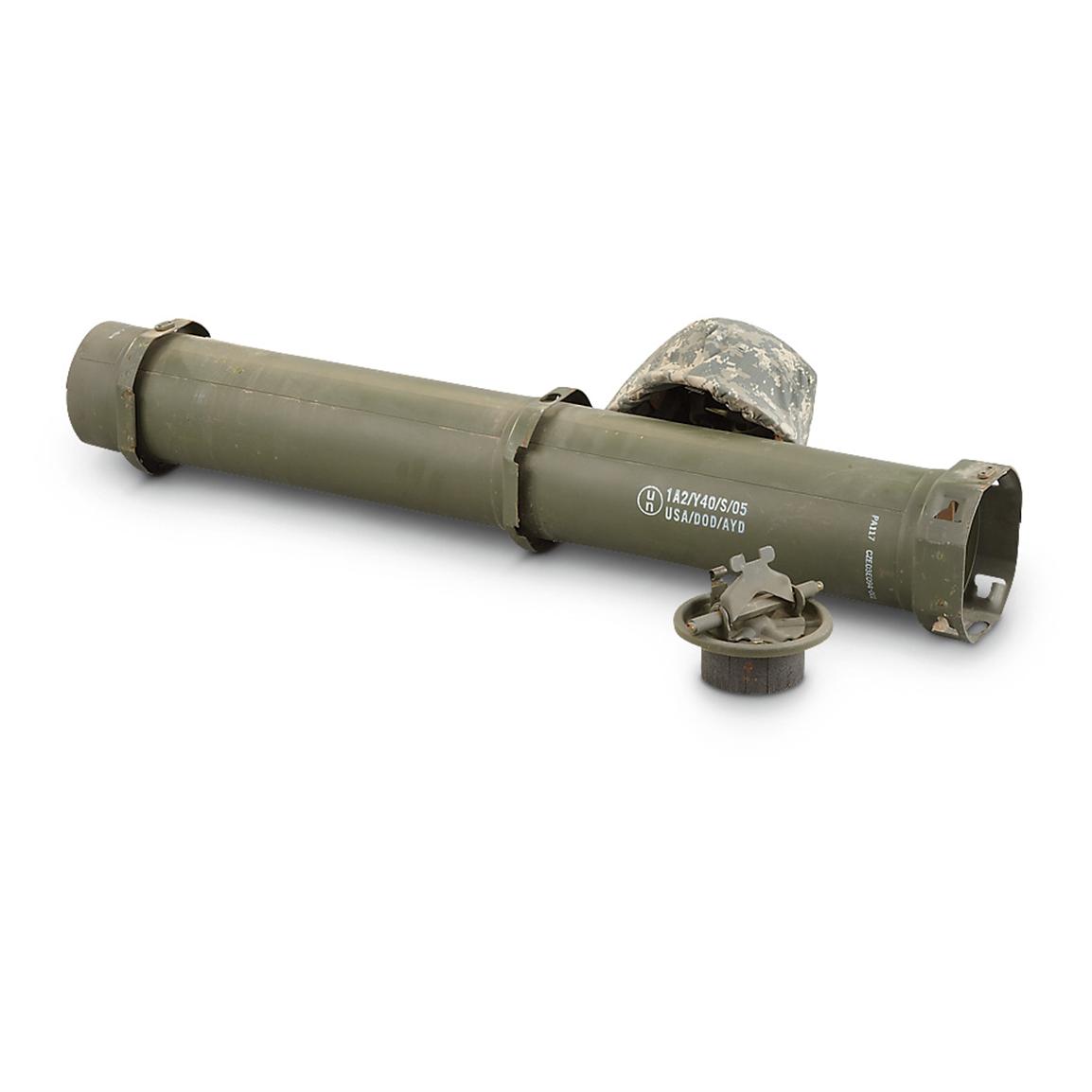
I’ve recently bought a M833 artillery round storage/transport tube at a Canadian store known for buying US DOD surplus.

I had just opened the tube and dumped out the pressboard packing tube when it struck me that this tube may have contained a DU projectile.

A clothing removal, thorough hand washing, and quick web search later proved that the M833 is in fact a DU round.

Aside from M833 and M900 tubes I’m guessing that 20mm transport containers would be available on the surplus market and may have held DU rounds.

Do you or others you may know have any suggestions as to what if any special precautions should be taken when handling transport containers that formerly held DU rounds? – Alley in Soviet Canuckistan

JWR Replies: In the Army, depleted uranium (DU) has never been used for any regular production field artillery rounds. It is used almost exclusively in tank main gun rounds and in Apache helicopter 30mm API rounds. The cans for the latter would be marked “30mm API PGU-14/B”. Most of the tank DU round cans are marked “M833 105mm APFSDS-T”. To be absolutely safe, it is best to avoid buying any cans used for DU rounds, but even then, the risk is absurdly low. To explain: The handling risk is negligible, unless the ammunition was mishandled or crushed, in proximity to an open can. (Obviously, if they were crushed in transit, then the can itself would have also been crushed, beyond repair.) The chances of encountering a contaminated can are nil. (If that were the case, it would be best to wear a dust mask.) DU is an alpha and beta radiation emitter. Inhaled alpha and beta emitters do pose a long-term health threat.

For some background, see this Army Technical Bulletin.


Economics and Investing:

Student debt apocalypse: Median wages up 1.6% over last 25 years while median student debt is up 163.8%.

o o o

Bracken: Burning Down the House in 2016. Commentary: This article from Western Rifle Shooters Association has a lot of economic content and is well-written and hard-hitting. Warning: Some of the comments posted after the article contain racial references I found somewhat offensive, unnecessary and inappropriate. Sites that include open commentary are vulnerable to this. With this in mind, the article itself was a worthwhile read. – Submitted by K.F.

o o o

Items from Professor Preponomics:

US News

The Economics of “Free Stuff” (Mises) Excerpt: “The perennial promises of free stuff from political candidates are front and center again now that we are ensnared in another US election cycle. The knee-jerk response from some economists and libertarians is “TANSTAAFL!” And of course it’s true that There Ain’t No Such Thing As A Free Lunch, because somebody must bear the costs of the supposedly “free” stuff. Nothing is free because every action has an opportunity cost.”

$290B in Federal Subsidies and Health Insurance Premiums are Still Soaring (Econintersect via Contra Corner) Excerpt: “Most Americans are covered by private health insurance, which they either obtain through employment or purchase individually. Insurance premiums – the payments made to buy that coverage by enrollees or by other parties on their behalf – are high and rising.”

Cancer and Obamacare: A Double Whammy (The New American) Excerpt: “Now imagine you’re a cancer patient of modest means trying to figure out which ObamaCare policy to buy that will both cover your treatment, preferably at the provider of your choice, and be, as the law’s moniker suggests, affordable. Then imagine that you get churned about in the wheels of bureaucracy and end up with either no coverage or coverage you can’t afford.”

JP Morgan Puts Another $500M Aside for Energy Sector Woes (Reuters) Excerpt: “JP Morgan will set aside an additional half a billion dollars to cover potential bad loans to oil and gas companies in the first quarter, underlining the sharp deterioration in the U.S. energy sector.”

International News

Moody’s Warns on Top Canadian Banks (Reuters) Excerpt: “The worry is the oil rout will hit mortgages, auto loans and credit card debt of consumers, especially in Alberta.”

Oil Price Shock, Overvalued Homes Threaten Canadian Banks, Fitch Says (The Huffington Post Canada) Excerpt: “Canada’s commodity-reliant economy will be facing challenges that pose new risks to Canada’s major banks if oil prices remain ‘lower for longer’ and/or this creates a macroeconomic shock to the economy….”

Jobless Benefits Claims Soar 100% in Canada’s Dying Oil Patch As Construction Jobs Plunge 84% (Zero Hedge) Excerpt: “Suicide rates are up in the province, as is property crime and foodbank usage. The malaise underscores the fact that Canada’s oil patch is dying. WCS prices are teetering just CAD1 above marginal operating costs, and the BoC failed to cut rates last month, meaning it’s just a matter of time before the entire Canadian oil production complex collapses on itself.” Warning: Commentary following article may include bad language or inappropriate avatar images.

Personal Economics and Household Finance

Garden Planning for Preservation: Best Foods to Freeze, Can, Dehydrate and Ferment (Mother Earth News) Excerpt: “Our vegetable gardens offer us beautiful, fresh bounty during the growing season — and they also have the potential to increase our food security the rest of the year. When you craft a plan to put up some of the crops you grow, you’re preparing for the future, simplifying winter meals, reducing waste, and saving money, too.”

o o o

SurvivalBlog and its editors are not paid investment counselors or advisers. Please see our Provisos page for details.


Readers’ Recommendations of the Week:

SurvivalBlog reader D.S. stated that 85% of the movies his family watches are Christian based. Ragamuffin was great, but pre-screen for your children.

He also recommended No Greater Love as another good family movie.

o o o

Reader K.W. notified us that The Heavy Water War is now available on Netflix. It is the story behind Hitler’s plan of Germany developing the atomic bomb during WWII and the heavy water sabotages in Rjukan, Norway. Presented from four angles: the German side, the allied, the saboteurs, and the company side. It is mixed with English and subtitled Norwegian/German. The series does a great job of communicating the Norwegian situation, the courage of the Norwegian partisans, and the challenges of war without too much blood and guts (and no sex). See Wikipedia’s coverage of the amazing Norwegian resistance effort: Norwegian heavy water sabotage.

o o o

Reader AVD recommended the Powerless Nation series of books: Outage, Voyage, and Sabotage. The storyline follows different characters as they survive when the power goes out due to an EMP.

o o o

If you have any books, movies, or videos that you would like to recommend to SurvivalBlog’s readers, email us.


Odds ‘n Sods:

SurvivalBlog reader JBG sent in this article showing that the German Govt Has New Trojan Horse Malware To Spy On Citizens’ Calls, Typing AND See Through Their Cameraphones

o o o

Former CIA Director Warns of Nuclear-Generated Electromagnetic Pulse Attack Excerpt: “You can have a relatively long period of time where not just the Russians and the Chinese but the Iranians and the North Koreans are capable of launching a missile. Let’s say they launch it to the south instead of north so nothing picks it up, no radars, no nothing, and it comes around the South Pole, goes into polar orbit and just kind of keeps going, it’s got a nuclear weapon in it. We may be living with threats like that for some time.” – Sent in by B.B.

o o o

This is my kind of business: GA Business owner is now requiring all employees to be armed – Submitted by T.P.

o o o

Federal judge chastises DoJ in noncitizen voter registration case or “The fix is in.” – Submitted by B.B.

o o o

First Merit Bank has apparently joined in on Obama’s “Operation Choke Point” closing the account of licensed, bonded and insured Farnsworth Auctions LLC (Requires Facebook account to view.)


Hugh’s Quote of the Day:

“It will be a great day when taxpayers can keep all the money they earn, and professional sports teams have to hold bake sales to finance stadium construction.” – Doug Newman


Notes for Tuesday – February 23, 2016

On February 23, 1840, former President John Quincy Adams began to argue the Amistad case in front of the U.S. Supreme Court. A practicing lawyer, member of the House of Representatives, and son of America’s second president who was an avowed abolitionist. Though John Quincy Adams downplayed his abolitionist stance, he also viewed the practice as contrary to the nation’s core principles of freedom and equality. In the arguments, Adams attacked Van Buren’s abuse of executive power. In a dramatic moment, Adams faced the judges, pointed to a copy of the Declaration of Independence hanging on the courtroom wall, and said “[I know] no law, statute or constitution, no code, no treaty, except that law…which [is] forever before the eyes of your Honors.” Adams’ skillful arguments convinced the court to rule in favor of returning the Africans to their native country.

o o o

Today, we present another entry for Round 63 of the SurvivalBlog non-fiction writing contest. The nearly $12,000 worth of prizes for this round include:

First Prize:

  1. A Tactical Self-Contained 2-Series Solar Power Generator system from Always Empowered. This compact starter power system is packaged in a wheeled O.D. green EMP-shielded Pelican hard case (a $1,700 value),
  2. A Gunsite Academy Three Day Course Certificate that is good for any one, two, or three day course (a $1,195 value),
  3. A course certificate from onPoint Tactical for the prize winner’s choice of three-day civilian courses, excluding those restricted for military or government teams. Three day onPoint courses normally cost $795,
  4. DRD Tactical is providing a 5.56 NATO QD Billet upper with a hammer forged, chrome-lined barrel and a hard case to go with your own AR lower. It will allow any standard AR-type rifle to have a quick change barrel, which can be assembled in less than one minute without the use of any tools and a compact carry capability in a hard case or 3-day pack (an $1,100 value),
  5. Gun Mag Warehouse is providing 20 Magpul PMAG 30-rd Magazines (a value of $300) and a Gun Mag Warehouse T-Shirt; (an equivalent prize will be awarded for residents in states with magazine restrictions),
  6. Two cases of Mountain House freeze-dried assorted entrees in #10 cans, courtesy of Ready Made Resources (a $350 value),
  7. The Ark Institute is donating a non-GMO, non-hybrid vegetable seed package (enough for two families of four) plus seed storage materials, a CD-ROM of Geri Guidetti’s book “Build Your Ark! How to Prepare for Self Reliance in Uncertain Times”, and two bottles of Potassium Iodate (a $325 retail value),
  8. A $250 gift certificate good for any product from Sunflower Ammo,
  9. KellyKettleUSA.com is donating both an AquaBrick water filtration kit and a Stainless Medium Scout Kelly Kettle Complete Kit with a combined retail value of $304, and
  10. Two cases of meals, Ready to Eat (MREs), courtesy of CampingSurvival.com (a $180 value).

Second Prize:

  1. A Glock form factor SIRT laser training pistol and a SIRT AR-15/M4 Laser Training Bolt, courtesy of Next Level Training, which have a combined retail value of $589,
  2. A transferable certificate for a two-day Ultimate Bug Out Course from Florida Firearms Training (a $400 value),
  3. A Model 175 Series Solar Generator provided by Quantum Harvest LLC (a $439 value),
  4. A Trekker IV™ Four-Person Emergency Kit from Emergency Essentials (a $250 value),
  5. A $200 gift certificate good towards any books published by PrepperPress.com,
  6. A pre-selected assortment of military surplus gear from CJL Enterprize (a $300 value),
  7. RepackBox is providing a $300 gift certificate to their site, and
  8. Safecastle is providing a package of 10 LifeStraws (a $200 value)

Third Prize:

  1. A Royal Berkey water filter, courtesy of Directive 21 (a $275 value),
  2. A $245 gift certificate from custom knife-maker Jon Kelly Designs, of Eureka, Montana,
  3. A large handmade clothes drying rack, a washboard, and a Homesteading for Beginners DVD, all courtesy of The Homestead Store, with a combined value of $206,
  4. Expanded sets of both washable feminine pads and liners, donated by Naturally Cozy (a $185 retail value),
  5. Two Super Survival Pack seed collections, a $150 value, courtesy of Seed for Security, LLC,
  6. Mayflower Trading is donating a $200 gift certificate for homesteading appliances,
  7. Montie Gear is donating a Precision Rest (a $249 value), and
  8. Two 1,000-foot spools of full mil-spec U.S.-made 750 paracord (in-stock colors only) from www.TOUGHGRID.com (a $240 value).

Round 63 ends on March 31st, so get busy writing and e-mail us your entry. Remember that there is a 1,500-word minimum, and that articles on practical “how to” skills for survival have an advantage in the judging.


Winter Survival- Part 1, by R.C.

In this three-part series on winter survival, we will examine surviving the winter on foot, in your vehicle, and in your home. We have all seen the videos of the recent storms and how even though the news have been reporting nonstop on the dangers of winter travel, the general public is out in it woefully unprepared. If you are reading this from your warm armchair or desk, I’m probably preaching to the choir. In the past I have been a snowplow operator, a first responder, and an instructor of CPR/First Aid and wilderness first aid in the Intermountain West. In my current line of work I have to occasionally work outside, and I am an avid outdoorsman.

On Foot

Rule #1 is that when the local authorities tell you to stay off the roads and stay home, please do so. I can’t tell you how many times I was plowing snow or responding to vehicle off-the-road calls when those people probably did not need to be out in the snow. There are a couple of sayings I used to teach Boy Scouts about winter survival:

  • There is no such thing as bad weather, only bad gear,
  • An Eskimo can’t afford to sweat, and
  • Cotton is rotten.

There are three types of winter gear I own— work gear, hunting gear, and ski gear. Yes, you can use one for the other, but we will stay with the prepper motto “three is two, two is one, and one is none”. I could ski in my carharts and work in my ski gear, but I choose not to. YMMV.

I want to stay with the rule of three’s for layering, starting from head to toe. First is a base layer, second is an insulating layer, and third is a waterproof/windproof layer. We will start with the head; even in the winter I still wear a mesh ballcap on top of my head. This lets the heat escape from my head if I’m moving. If I slow down or start getting cold I’ll put on an ear warmer or fleece/thinsulate hat over top of my ballcap. Then I add a neck gaiter to keep heat from leaving my face and neck area. If it is raining or snowing, I will wear a waterproof boonie or put my hood up. Don’t forget sunglasses or ski/military goggles; the winter sun reflects up and can burn your eyes and exposed skin. Please don’t forget sun block and lip stuff with a high spf. Some of worst sun burns I’ve seen in scouts have been from winter outings.

The core layer is next, using the same rule of three. Start with a base layer of polypro that breathes, then an insulating layer like fleece and finally a waterproof breathable outerwear like Gore-tex or similar membrane. I keep both gloves and mittens with extra liners in my pack to mix and match to current conditions found. The beauty of a three layer system is that you can put on or take off layers as need be. By keeping your core warm and dry and not sweating much, you can spend hours outside and still be comfortable. The feet can be the most difficult part to keep warm. Again, think about three layers. Start with polypro liners, then a pair of wool blend socks, followed by waterproof boots. I use the rubber mil surplus mickey boots or a leather Gore-tex insulated boots, depending what I’m doing that day. You can carry chem toe heaters or battery heated soles as well as extra socks if you have the room in your pack.

What to carry in regards to your EDC and/or your get home bag can fill pages of this and other blogs. This is what I try to carry. I’m a big guy carrying a big pack, probably too heavy for me and most people. Yes, I have a problem, I know. On my person I always have my phone, Leatherman, rescue knife, compact .40 handgun, extra magazine, a lighter, lip stuff, paracord belt, watch, ball cap, and photogray type eye glasses. I normally wear Gore-tex boots and comfortable clothing I could hike in year round. I keep extra cash hidden away and a pen and paper to write things down so I don’t forget. I carry a small amount of first-aid supplies in my wallet; this includes knuckle band aids, small triple antibiotic, CPR barrier, and a threaded needle. I can use the needle for clothing repair, to get a splinter out, or even to pop a blister. Just heat needle, cover with triple antibiotic, poke through the blister, and leave thread sticking out boths sides covered with triple antibiotic. Then, cover with a band aid and/or moleskin. Walking in snow boots can give you blisters and hot spots. Another scout trick is to put duct tape on your heals or other parts of your feet before you start hiking. If you don’t want to pop blisters that’s fine; just stop and deal with any feet problems as they arise. I carry a small flashlight on my carabiner key chain as well as a light on my phone. I can start a fire with my bic lighter or with my small frenzel lens in my big boy wallet. The lens is also helpful for reading small print or getting splinters out. I always carry at least one camo bandana in my back pocket with my spare .40 magazine.

In winter survival your water should be carried inside your clothes, if you can. I’ll wear a small camelback-style water carrier on my back so it does not freeze, or I’ll put a couple water bottles in my pockets. Then I carry extra water in my pack with a way to treat the water as well as melt the water. I carry a stainless steel water bottle so I can melt snow or thaw out ice in my container. To melt snow, I can start a fire or use an alcohol stove, like an esbit stove, or use their fuel tabs. You should have three ways to to start a fire and three ways to treat water. Using fire to boil water and chem tabs along with neutralizing tablets or a filter, like a small Sawyer filter, will get the job done. Dehydration is deadly in the winter, so you have to force yourself to stay hydrated. The worst dehydration I’ve seen has been scouts in the winter again. Have a buddy system, if you can, and keep track of the amont water you drink. Keep track of how much you pee as well.

The winter pack can quickly get rather large. I use an ILBE camo pack that can handle bulky winter clothes and gear. Inside my pack, I carry a winter sleeping bag like a miltary sleep system with a bivy sack, and Gore-tex rain gear with suspenders, polypro base layer, a hat, and gloves in the pockets. My first aid kit is large and heavy and used as a teaching aid. For food, I carry survival bars, jerky, trail mix, and peanut butter. Think pemmican, which is how American Indians survived the winter. I also carry some oatmeal, coffee, and a couple cup-a-soup packages. I carry a headlamp, spare batteries, and an inflatable solar lantern. There is also a large belt knife and long handle tomahawk as well as a container of bear spray. I carry a tarp along with a bunch of 550 cord attached to the outside of the pack. If I feel the need, I can include my kit for food procurement, which contains snares, a fishing kit with yo-yo reels, and a slingshot with extra bands and ammo. For nav & coms, I have a compass and maps, GPS radio combo, cell phone, and small wind up radio with charger cables and a power pack to recharging my cell phone. This is another heavy kit that adds more weight. For hygiene, I carry tp and hand sanitizer along with wet wipes. If you are going to carry emergency space blankets, please don’t buy the cheap ones. Purchase higher quality bivy sack types, then put in a couple 55-gal heavy trash can liners. You can cut a slit for your face to breathe. Winter survial on foot can be a frightening experience if you are not prepared and are not familiar with cold weather environments. Here is a quick review check list for on foot wilderness survival.

  • Three layers for head, body, hands, and feet.
  • Eye protection, sun & lip stuff, first aid kit, hygiene kit.
  • Three ways to start a fire and melt and treat water.
  • Extra food and a way to cook and make warm drinks.
  • A way to shelter from the cold.
  • Three ways to defend yourself and obtain food.
  • Three ways to see in the dark.
  • Three ways to navigate and communicate.

In part 2 of winter survival, we will look at winter survival in your vehicle. Then, in part three, we will look at winter survival at home. As we have said before and we told our scouts, “Good judgment comes from experience, and alot of experience comes from bad judgment.”