A Random Walk Through The Risks of Silicon Valley, by Epaminondas

As a technology executive who has worked extensively with most of the big, high-tech firms (Microsoft, Google, Verizon, Dell, Qualcomm, and more), I thought that it could be helpful to share a perspective on the general role of technology on prepper thinking and planning. This readership is much more sophisticated than most, but the hard fact is that most of us cannot live an independent, off-grid lifestyle for a variety of reasons. Technology is the great enabler and force multiplier that can make it much easier to work remotely, maintain close contact with family and friends while benefiting from the vast knowledge of the Internet.

The danger zone here is around the data. Silicon Valley companies are not deliberately trying to repress freedom. They are providing technologies to drive new solutions and profits that can often have the unwanted side effect of providing Big Brother an unprecedented tool for compromising freedom. A big part of the problem is that companies never think (or care) about the freedom impact.

Here is how I view the risk/reward of certain technologies and current events in technology:

Mobile Phones

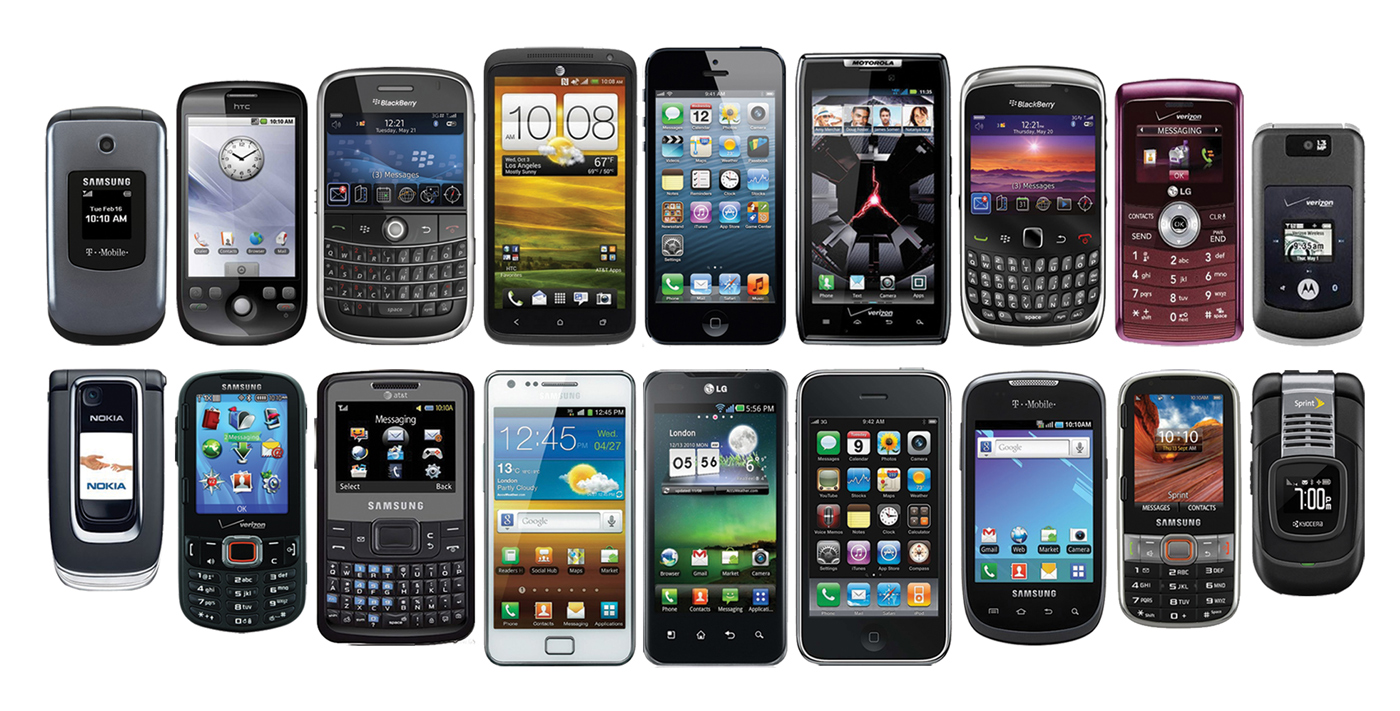
The network needs to know who and where you are to deliver a call, just as a mailman needs to have your name and address to deliver a letter. If you are uncomfortable with this, use a VoIP account for your telephone and access it from any browser (using a VPN) to check voice mail. While Blackberry devices have the highest security of any mass market phone, the company is dying and the U.S. government can still access anything that they want. In about five years, 5G technology will be here and it will include a direct handset-to-handset ability that can keep some communications off of the main network. I would consider a Blackberry for secure third world messaging. Most countries outside of the big ones cannot crack the encryption, and some (India) have mandated a back door in return for market access. One thing to keep in mind is that location technology is now embedded in much more than just phones and cars. A GPS module with antenna is now smaller than 17mm by 17mm and can be put into almost any electronics.

Google

I would avoid all Google products (Gmail, Android phones, et cetera) like the plague. Google is in the data business, and they are not shy about using any and all information that touches their world. For them it is a business decision, since they are all about data in every form. Businesses of any size are concerned enough about protecting their information that they will not use Google for anything. The perception in Silicon Valley is such that when they acquired Nest (a smart home thermostat), people in tech starting removing Nest devices from their homes. Google has now added video capabilities for a light home security monitoring capability. The latest Google Nexus phone is made by Huawei, the big Chinese telecom company with close ties to the Chinese government. The U.S. government has banned Huawei from selling network equipment to the U.S. due to security concerns (CNBC has a story on this.) As a friend of mine, who is a top mobile industry analyst, jokes, “If you buy a Google Nexus phone, you have four people listening to you– Google, NSA, Huawei, and the Chinese government!”

Apple

Apple upgraded their security on the ***AMAZONamazon.com/iPhone-Plus-Gold-16GB-Unlocked/dp/B00OB5TCN6/ref=sr_1_10?ie=UTF8&qid=1458782988&sr=8-10&keywords=iphone***iPhone in the past few years, hence the growing issue of the U.S. government’s request for Apple to unlock the iPhone. There are a few challenges here, starting with the government’s request. The government is asking for a master key to unlock any iPhone at their discretion versus a specific request to unlock the terrorist iPhone in question. We should all be very concerned about any back door technology. Experience has proven that the government cannot protect the most important secrets that they have, let alone a master skeleton key to a widely used operating system.

In speaking with some of my colleagues, I am a bit surprised that the government is making this request, as I would expect that the NSA or some other U.S. agency would already have the capability to unlock an iPhone. I am not a conspiracy kind of guy, but I do wonder if this unlock request is being made to give the world an overblown sense of security when using an iPhone. Cracking a password is mainly a function of the length of the password, and the U.S. certainly has enough brute force computing power to work on this problem. (An InfoSec Institute ***LINK to http://resources.infosecinstitute.com/password-security-complexity-vs-length/***article about password security is informative on the subject of password complexity versus length.) It has also been reported now that a FBI technical expert could have retrieved that suspect’s iPhone data from an automatic cloud backup, but they had an accidental “fat finger” incident. While not impossible, I find this unlikely, as this would be the first approach that anyone would try.

There is one more interesting dimension to the unlock request. Silicon Valley companies felt very burned by the government as a result of the Snowden disclosures and other information leaking to the public. They are now reacting in such a way that any request is suspect, mostly out of a concern for public perception rather than a strong feeling around personal liberty. Don’t forget that Google quickly bent to Chinese pressure for a back door to all data passing through Google in China a few years ago. Most other technology companies also need to cut some sort of deal to expose data and user information to do business in China. While these companies are not necessarily anti-liberty, they tend to think in terms of self-interest instead of principle.

Amazon Echo

You may have seen the Alec Baldwin commercial for this device during the Superbowl. Yes, you can now control more things around your home using a voice interface device. Google also has a similar feature now embedded into their browser and mobile devices, and even Microsoft has added Cortana into Windows 10 that also responds to voice commands. As tempting as it is to act like Jean-Luc Picard from Star Trek, I would advise against these types of technologies. We know that these types of user interfaces can be easily hacked, and someone could use the always-on microphone to commit identity fraud or other bad acts. To enable this functionality is to voluntarily place listening devices around your person and your home that are potentially open to anyone. If these technologies are not in constant “listening mode”, they do not work. That means they need to analyze every word they hear to recognize when they are being given a command.

Traveling Abroad

I am not aware of any issues when traveling to Western countries, but look out when going to place like China or Russia. China has a very deliberate approach to capture the data on most anything that touches a network within the country. Most companies of any size have taken the approach of giving travelers a temporary laptop with minimal information for travelers visiting places like China. This approach has been well documented by research. China employs huge numbers of people to constantly monitor phone calls, emails, et cetera. They mandate special versions of all major world technologies to give them access and control before allowing deployment in China. This approach even applies to mobile phone standards and WiFi. One must assume that any and all communications in China is being monitored.

Social Networks

As often stated on this site, social networks are fraught with issues. The entire purpose of their existence is to coax data out of the user that can then be sold to advertisers and many other third parties. While I personally need to be a LinkedIn user for professional purposes, I go so far as listing a location much larger than where I actually live. Of course, please do not be that person who publicly advertises when you will be on a business trip! Facebook is probably the worst, as they promote “quizzes” to unveil more and more personal information. While there has been a backlash against potential employers mandating access to personal social media accounts, the fact is that they can still find most of what they want. There are tools out there now that allow you to see anyone’s email on LinkedIn, regardless of whether you are connected to them. Tools, like Snapchat, are very popular with younger people and are advertised as being temporary. Users are told that they can make sure that the videos are deleted within ten seconds of viewing. Don’t you believe it! This assumption is very naïve, and the latest information tells us that Snapchat data could be as persistent as anything else on the web. If you do not want something to be on the Internet, do not upload it!

Parting Thoughts

A good rule of thumb that I have used with our children is that anything you electronically publish– email, social, et cetra– is forever and everywhere. Cross platform data mining is becoming so good that there is a new class of startups offering very accurate alternatives to FICO scores, using hundreds of seemingly mundane data points. This could be everything from your Instagram photos to your spending at the grocery store. It is very difficult to escape all of this, but you can work to minimize and control what you can.



Letter Re: Backup Electric Power Design Considerations

Editor,

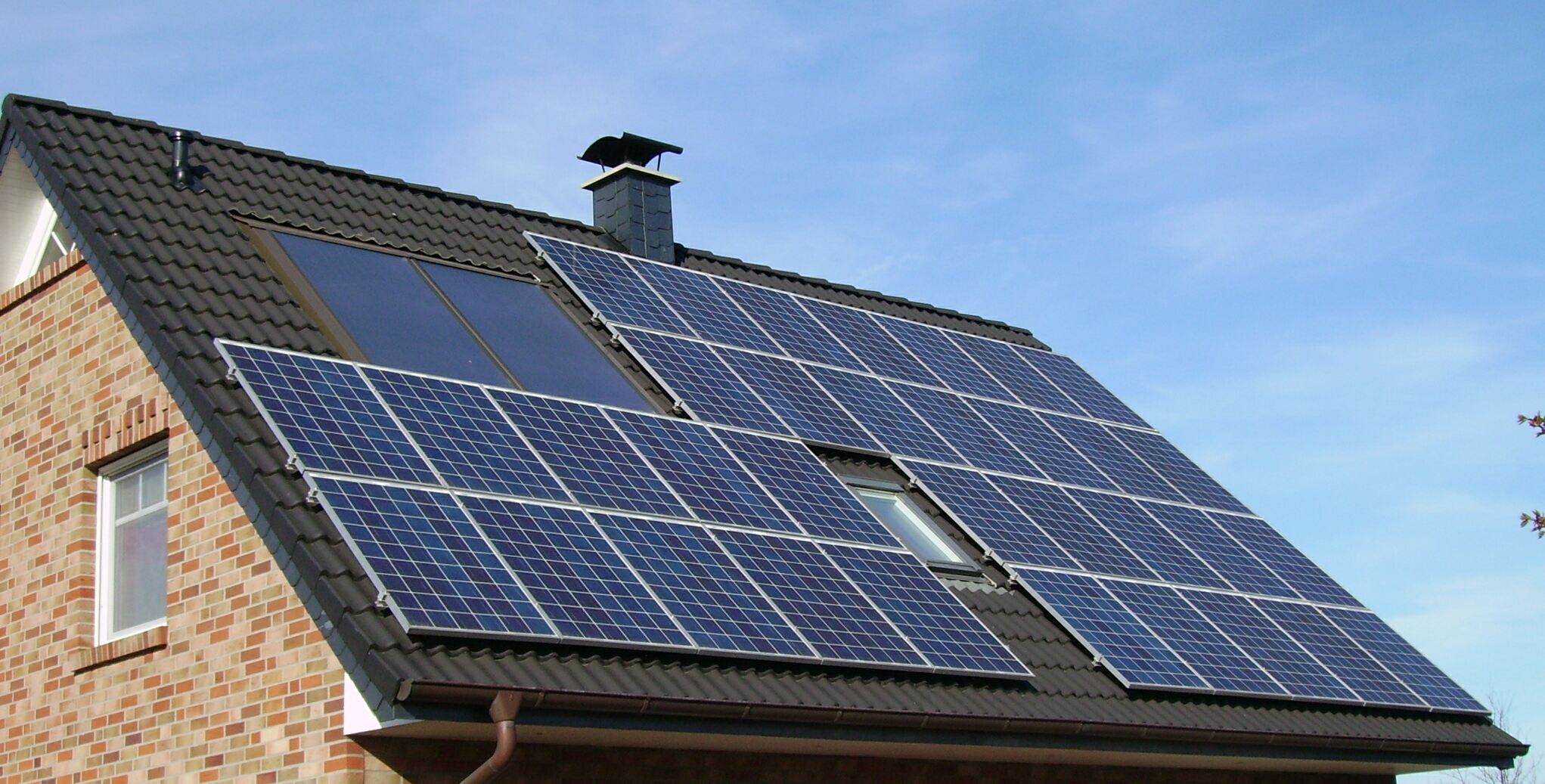
As a full time user of off-grid power I’ve a few quibbles with this article. One is the casual reference to rooftop solar panels. Solar panels get dirty-fast. Solar panels in general are not all that wonderful in generating concentrated energy and dirty panels generate far less than optimal. They need to be cleaned with a soft brush and hose often. In northern parts snow sticks to panels real well and then generate nothing. Unless you have a widows walk installed below the panels, don’t even think about installing them on high roofs. Anything that gets in the way of the sun will have a totally unreasonable negative effect on solar panels. Even that tiny bare twig way up in the top of a tree, so make sure you have a clear path especially in winter when the sun is low in the south (for northern hemisphere).

The author mentions “installing an inverter at the panels and sending an AC current down the line to the battery bank”. Obviously you cannot charge batteries directly with AC power. Any inverter has to be installed after the battery bank. As the author says, hook several panels up in series to boost the voltage to higher values and minimize current loss. The author also mentions using welding cables for the battery to inverter run. No reputable solar company or installer does this. Short runs of dedicated 0000 swaged cables are the best option for any reasonably sized system. These can be bought online or a local installer can make them up for you. Regards, – Expat


Economics and Investing:

Study Finds Public Pension Promises Exceed Ability to Pay – G.G.

o o o

Reader T.A. submitted this article from Zero Hedge: A Glimpse of Things to Come: Canadian Oil Company Liquidates Hours After Bank Demands Repayment

o o o

Items from Professor Preponomics:

US News

Puerto Rico’s Financial Crisis Has Been Brewing for 75 Years (Business Insider) Excerpt: “If Puerto Rico and its bondholders are to receive a bailout, it should at least be accompanied by the long overdue privatization of its New Deal structures.”

Puerto Rico’s Slide (Bloomberg QuickTake) Excerpt: “It’s a tale of financial mismanagement, Wall Street complicity and good intentions gone awry.”

CAGW Releases March 2016 WasteWatcher (Citizens Against Government Waste) A Tale of Two Spending Bills. Obamacare’s Festering Fraud Wound. Privacy in the Digital Age. More!

Ahead of Major Tests, Obama Claims Success on Banking Reform (Washington Examiner) Perhaps the most interesting part of this article is the question it raises: what comes next?

International News

Greek Banks Admit to Charging Customers to Exchange Big Bills for Smaller Ones (Zero Hedge) Excerpt: ” So if you are Greek and you were effectively forced to take your money out of the bank because after last summer you feared a depositor bail-in might be right around the corner, you now have the distinct pleasure of having to pay a fee to exchange your large bills for smaller ones at the very same banks where you withdrew the money in the first place.” Warning: Commentary following the article may contain bad language and/or inappropriate avatar images.

Europe: Go Big or Go Home (Huffington Post) This is an interesting take (although certainly only one opinion, which will no doubt raise the decibel count of all the voices in the global room) on the question of Turkey accession to the European Union. Excerpt: “Given the size of its economy and its geostrategic location, Turkey could reenergize the EU at a time when the body is so desperately in need of a blood transfusion.”

The Budget’s Bottom Line: Taxes will Rise and Rise Again (The Telegraph) Excerpt: “So the idea that their forecasts, however mathematically rigorous and objective, should be trusted four or even five years ahead is laughable; the view that these should form the entire basis of our fiscal policy is terrifying.”

Personal Economics and Household Finance

How to Start a Business (US Small Business Administration) Thinking about starting your own business? Here are some organizational tips to help support the development of a sound business plan! SurvivalBlog has posted a number of insightful reader contributions over the years on this important subject. Here are just a couple in review: How to Create a Home Based Business for TEOTWAWKI by TJ and Making a Business of Preparedness by HP.

o o o

SurvivalBlog and its editors are not paid investment counselors or advisers. Please see our Provisos page for details.


Odds ‘n Sods:

Rob Moffet posted a new video on how to make a folding multi-fuel camping stove using an old automobile license plate. It’s a nice DIY project.

o o o

Teacher Killed by Cop in Crosswalk “Assumed Risk” by Crossing Street Excerpt: “NYPD and the city Law Department are fighting a lawsuit filed by the family of a Brooklyn man who was killed in a crosswalk by an on-duty officer, on the grounds that the victim behaved recklessly by crossing the street. … The city’s response to the suit says Coss “knew or should have known in the exercise of due/reasonable care of the risks and dangers incident to engaging in the activity alleged.” Submitted by T.P.

o o o

Those who think that mass surveillance is okay, when you don’t have anything to hide, should read this article sent in by D.S.: Mass surveillance is ‘chilling’ online dissent by encouraging groupthink

o o o

Flashback: U.S. Admits More Muslim Immigrants in 5 Years Than Entire Muslim Population of Belgium. Something to think about as we mourn for those who have suffered in Belgium the last couple of days. – B.B.

o o o

Is that a manshake gone awry? Obama and Castro, the Weird Handshake. As the article states: Forget about the thought that dissidents were arrested moments before President Barack Obama landed in Cuba. Obama pretends that he heralds the freedom of the Cuban people, while in reality he is condemning them to a living hell. – W.C.


Notes for Wednesday – March 23, 2016

This is the birthday of Japanese filmmaker Akira Kurosawa.

o o o

Today, we present another entry for Round 63 of the SurvivalBlog non-fiction writing contest. The nearly $12,000 worth of prizes for this round include:

First Prize:

  1. A Tactical Self-Contained 2-Series Solar Power Generator system from Always Empowered. This compact starter power system is packaged in a wheeled O.D. green EMP-shielded Pelican hard case (a $1,700 value),
  2. A Gunsite Academy Three Day Course Certificate that is good for any one, two, or three day course (a $1,195 value),
  3. A course certificate from onPoint Tactical for the prize winner’s choice of three-day civilian courses, excluding those restricted for military or government teams. Three day onPoint courses normally cost $795,
  4. DRD Tactical is providing a 5.56 NATO QD Billet upper with a hammer forged, chrome-lined barrel and a hard case to go with your own AR lower. It will allow any standard AR-type rifle to have a quick change barrel, which can be assembled in less than one minute without the use of any tools and a compact carry capability in a hard case or 3-day pack (an $1,100 value),
  5. Gun Mag Warehouse is providing 20 Magpul PMAG 30-rd Magazines (a value of $300) and a Gun Mag Warehouse T-Shirt; (an equivalent prize will be awarded for residents in states with magazine restrictions),
  6. Two cases of Mountain House freeze-dried assorted entrees in #10 cans, courtesy of Ready Made Resources (a $350 value),
  7. The Ark Institute is donating a non-GMO, non-hybrid vegetable seed package (enough for two families of four) plus seed storage materials, a CD-ROM of Geri Guidetti’s book “Build Your Ark! How to Prepare for Self Reliance in Uncertain Times”, and two bottles of Potassium Iodate (a $325 retail value),
  8. A $250 gift certificate good for any product from Sunflower Ammo,
  9. KellyKettleUSA.com is donating both an AquaBrick water filtration kit with a retail value of $250, and
  10. Two cases of meals, Ready to Eat (MREs), courtesy of CampingSurvival.com (a $180 value).

Second Prize:

  1. A Glock form factor SIRT laser training pistol and a SIRT AR-15/M4 Laser Training Bolt, courtesy of Next Level Training, which have a combined retail value of $589,
  2. A transferable certificate for a two-day Ultimate Bug Out Course from Florida Firearms Training (a $400 value),
  3. A Model 175 Series Solar Generator provided by Quantum Harvest LLC (a $439 value),
  4. A Trekker IV™ Four-Person Emergency Kit from Emergency Essentials (a $250 value),
  5. A $200 gift certificate good towards any books published by PrepperPress.com,
  6. A pre-selected assortment of military surplus gear from CJL Enterprize (a $300 value),
  7. RepackBox is providing a $300 gift certificate to their site, and
  8. Safecastle is providing a package of 10 LifeStraws (a $200 value)

Third Prize:

  1. A Royal Berkey water filter, courtesy of Directive 21 (a $275 value),
  2. A $245 gift certificate from custom knife-maker Jon Kelly Designs, of Eureka, Montana,
  3. A large handmade clothes drying rack, a washboard, and a Homesteading for Beginners DVD, all courtesy of The Homestead Store, with a combined value of $206,
  4. Expanded sets of both washable feminine pads and liners, donated by Naturally Cozy (a $185 retail value),
  5. Two Super Survival Pack seed collections, a $150 value, courtesy of Seed for Security, LLC,
  6. Mayflower Trading is donating a $200 gift certificate for homesteading appliances,
  7. Montie Gear is donating a Precision Rest (a $249 value), and
  8. Two 1,000-foot spools of full mil-spec U.S.-made 750 paracord (in-stock colors only) from www.TOUGHGRID.com (a $240 value).

Round 63 ends on March 31st, so get busy writing and e-mail us your entry. Remember that there is a 1,500-word minimum, and that articles on practical “how to” skills for survival have an advantage in the judging.


Response to Making a Final Run, by Jim Fry

I must confess that I haven’t had a chance to read every single post on “Making a Final Run”. A farm in winter can be a very busy place. So I hope I’m not just repeating someone else.

In the main I agree with most posters, a final run is possibly/probably not a good idea, maybe.

If you’re talking about a last run to Walmart, then maybe you run the chance of getting into the middle of where you don’t want to be. However, there are lots of other sorts of “final runs”, such as to the bank, the gas station, the feed store, and others. How safe a final run is can depend on how fast, prepared, and organized you are, and what particular goal you have in mind.

When 911 happened, I was in the barn working on something. When the news about the first tower came over the radio, I decided to go to the house to see what was on TV. I got there just in time to see the second tower get hit. Over the next hour, reports came in that we were under attack. The Pentagon was hit, there were reports of shots or a bomb at the State Department, the President was taken into hiding, a plane was in the air heading for DC, and there were all kinds of other reports and rumors. Then two fighter jets flew low over my house chasing a small plane. (That was really impressive!) It seemed early that first day that things might really be coming apart. Every bit of me wanted to sit and watch what was happening.

I also thought if things were going to go south, there were some chores to do. There were various tractor parts I had planned on picking up the next week. I also wanted another milk goat. So, I jumped in the truck and took off. It was remarkable. There was no one driving. It appeared everyone was watching, instead of acting. When I got to Tractor Supply, it was a ghost town. The lone clerk complained he wanted to close the store so he could go home and watch the news like everybody else. I was able to stock up with no problem.

When I arrived at the goat farm, I got the nanny also with no delay. I don’t recall the farmer even knowing of the events. He didn’t have a radio in his barn like I did. (Had the event been a nuke from N. Korea instead of several commercial planes, he might have been in a tough spot not knowing what was happening.) Since then I have occasionally wondered if things had really gotten bad that day/week, if goat guy would have been so quick to sell what might later have become a prime asset. Early on, he was happy to make the deal.

My third stop was at the feed store for some additional 100 lb. bags of corn and 80 lb. bags of wheat and oats. Animals eat, and not a bit of that extra grain would go to waste if nothing more happened. If things really did get nuts, several hundreds of pounds of additional animal feed would feed a heck of a lot of people. Our supply store also sells a wide variety of heirloom and open pollinated seeds. No matter how many seeds you have, seed is simply one of those things you can’t have too much of. There will very possibly be fewer seeds available for trade than even antibiotics and lead. Of course the feed stores have fertilizers, sulfur, soil amendments, and Epson salts. I picked up a bit of all of those.

The day was passing and still very few people were out and moving. All three of these possible “final runs” were very quiet and easy, on a day that could have turned out to be a much greater long-term disaster. Had more planes dropped or bombs had gone off and if the terrorists had planned even greater evil and blown the power grid at the same time, people would have very likely panicked at some point. But early on, before folks got moving and were still just sitting in shock watching, a final run was safe. Thank God that day didn’t continue to grow worse, but in the early hours no one knew, and I felt it was better to act than to sit and hope.

Not too long ago another event happened. The stock market went down 500 points one morning. There for a short while no one knew what it meant. I called my brother who lives on the farm next door and said, “Let’s go.” We got to our local bank within 10 minutes of the first radio report so we could clean out our accounts, just in case there was some sort of Wall Street/bank shut down. The bank folks (who we have known for a long time, as networking is a good thing) said they were well aware of events and the central office had already put them on notice to be ready for possible orders to close their doors. We apologized to them for withdrawing our money and we said we hoped we wouldn’t feel too bad or too foolish if we came back the next day to redeposit if nothing happened. The manager was entirely sympathetic and said they had even had a couple people in before us doing the same thing.

My brother and I then went to our second stop– the local gas station– to fill up our gas cans. Please note to those folks who claim to have a 10-year supply of everything on hand, on a farm one thing you are always need is to top off your fuel supply. There just aren’t that many days you don’t run a tractor, chain saw, mower, and/or generator. You can always use more fuel, and the cash we had just gotten out of the bank was going to hold much better value as gas than green backs might have been worth in a melt down.

My brother and I returned home, satisfied that if for some reason commerce stopped that day, we were a bit better prepared. We had gotten cash and gas before any possible rush or shut down had happened.

Over the years I have, of course, become well prepared for “what may come”. I have certain ideas about what is best, including prepping for the next several generations, instead of merely 10 or 20 years. But I also try to be mindful of preparing for other possibilities. I often remind myself to not get rigid. Sure, it’s not a good idea to go to Target when a thousand other people are also there grabbing things, but nevertheless I have prepared to do just that. You never know what will happen, so prepare for it. Something I’ve done with the big box planning is to make maps of exactly where the things are located that I might want in a rush. One of our local big box stores has routinely carried exactly three 25lb. bags of salt. It’s on a bottom self and hard to find. With the map, it’s easy. It’s half way down aisle 3, bottom self, on the left. I don’t have to search. I don’t have to look. I don’t have to think or remember. Just go. Simple. I’ve also marked muck boots, spices, OTC drugs, canning jar lids, and other such items usually not craved in a panic. While most folks will be grabbing canned tuna and meat, I may be off to the side picking up pepper and sewing machine needles. So if I do decide I should go, at least I wouldn’t be in the middle of the worst of the fuss.

We’ve done that with every store within a certain distance. I don’t plan on going there. But if something unexpected happens and we decide we must, it’s much simpler, quicker, and safer with a map and plan than it might be otherwise. You might also check at your stores to see if they have store maps. The stores here provide them for anyone who asks, in order to help them in their shopping. Another thing a map accomplishes is that when “things happen” and our group gathers here, it’s simple to send out folks to various locations to pick up items if we decide it’s worth the effort or risk. We can just hand out a map and a supply list and simply say, “Go.” No discussion and no descriptions are needed, just go. If you can get to where you are going fast enough, and especially before the rush, things get much easier.

Another thing we do is to go to one of the local grocery stores every day to pick up the produce they throw out. It makes great free chicken and pig food, and since some of it just came off the sales shelves it’s still good for us to eat (but please don’t tell them that). We go knock on the back door of the huge store about noon every day, and there they are waiting. We go inside and talk a bit, look around while talking, and make friends. There is an incredible amount of food and such in the back rooms and loading docks of any major store. While the hoards are fighting in the store’s front, it just may be possible to meet your store “friends” and load up out back. Maybe not, but it’s worth investigating and considering. (Once again, networking can be a very good thing.)

So the point of all this is to remain flexible. In general, it may be best to not make a “final run”, but you just never know. With the right planning and forethought, a final run can be highly productive and even very safe. You may never get a second chance at an opportunity, so be ready to move fast if the right situation presents because you may be just as mistaken if you aren’t prepared to make the right move of opportunity as you are if you make the wrong move in panic.

Jim Fry is the proprietor of www.SurvivalAndSelfReliance.com who is holding a 5 day Ultimate Prepper Training course scheduled for this coming June 20th to June 24th, 2016. Among the instructors at this training will be Dr. Cynthia Koelker, SurvivalBlog’s Medical Editor


Two Letters Re: The Long and Short of Bolt Action Rifle Magazines

Mr. Latimer,

Thank you to Mr. Rawles for his post with the helpful information. In addition to those noted, the relatively new Mossberg MVP bolt-action rifles chambered in .308 accept magazines from the Springfield M1A. If you already have one of those platforms, you could purchase the other and the magazines will be interchangeable between platforms. – J.L.

o o o

JWR,

Just a few more bolt action rifles that use standard magazines– the Mossberg MVP 308 uses M1A/M14 or AR-10 magazines, and the 5.56 uses an AR-15 magazine. I have both calibers, and they work great and are light weight. – M.D.


Economics and Investing:

Silver – a Long-Term Perspective

o o o

Forbes Yanks a Negative Article on JPMorgan While the Bank Pays for Content – P.M.

o o o

Items from Professor Preponomics:

US News

To Oppose Free Trade is to Embrace Violence (Mises) Excerpt: “To oppose free trade, on the other hand, is to engage in the imposition of fines, prison terms, and other sanctions on people for engaging in non-violent exchange.”

Bernanke: Negative Interest Rates Could Be “Reasonable” (Washington Examiner) Excerpt: “…in a scenario in which the economy weakened and the Fed had already cut short-term interest rates to zero, a “policy of modestly negative interest rates might be a reasonable compromise between no action and rolling out the big QE gun.”

Struggling US Oil and Gas Companies Eye Rare Financing Deals (Reuters) Excerpt: “Severely distressed companies may issue so-called 1.5 lien debt, sandwiched between the first and second liens, to raise new capital. Investors with a stomach for risk would get a better yield than for the top debt, and have a stronger claim than junior creditors if the company filed for bankruptcy.”

Fed Bank Supervisors Can Curb But Not Eliminate Failures: Dudley (Reuters) Excerpt: “The army of supervisors from the Federal Reserve and other agencies can reduce but not eliminate the risk of bank failures….” A tool to help assess the financial health and well-being of your bank follows: Texas Ratio: Bank Ratio for Analyzing Safety and Soundness (Best Cash Cow)

Civil Forfeiture Vote Coming (Before It’s News) Attention Nebraska… Protect your property rights! Excerpt: “Civil forfeiture laws create a perverse incentive for police to target and seize property INSTEAD of targeting, investigating, and proving actual criminal behavior. L.B. 1106 would reform civil asset forfeiture and put an end to this attack on property rights.”

International News

Some “Appalling Injustices” in Property Seizures (Radio Canada International) Excerpt: “What I find especially outrageous, as if that weren’t bad enough…is that a judge has already ordered those properties sold before the trial (of the tenants) has even taken place, which really surprised me….”

ECB’s Bazooka Has Not Run Out of Ammunition, Says Chief Economist (The Telegraph) Excerpt: “The European Central Bank is prepared to slash interest rates deeper into negative territory if the economic outlook deteriorates….”

Personal Economics and Household Finance

A Cabin Full of Food: Cook from Scratch, Preserve at Home, Save Money (Just Plain Living)

o o o

SurvivalBlog and its editors are not paid investment counselors or advisers. Please see our Provisos page for details.


Odds ‘n Sods:

From Mike Williamson, SurvivalBlog’s Editor At Large:

A European state that is doing well

Seized cell phones didn’t work this time, but certainly could.

Stun guns are protected by the 2nd Amendment. Hopefully they will apply this to other modern weapons.

The government apparently has the right to stop you on a whim.

o o o

Why Putin Wants Syria

o o o

Why we should fear a cashless world – V.M.

o o o

Video: Printable magnets. I can think of many uses for such technology. For those short on time, fast forward to the 5.45 mark in the video to see some interesting locking possibilities. – P.S.

o o o

Documentary exposes the horror of life in Saudi Arabia – Sent in by RBS.


Notes for Tuesday – March 22, 2016

This is the birthday of Louis L’Amour. Some of his novels have survival themes, and one of the most notable ones was Last of the Breed.

o o o

Today, we present another entry for Round 63 of the SurvivalBlog non-fiction writing contest. The nearly $12,000 worth of prizes for this round include:

First Prize:

  1. A Tactical Self-Contained 2-Series Solar Power Generator system from Always Empowered. This compact starter power system is packaged in a wheeled O.D. green EMP-shielded Pelican hard case (a $1,700 value),
  2. A Gunsite Academy Three Day Course Certificate that is good for any one, two, or three day course (a $1,195 value),
  3. A course certificate from onPoint Tactical for the prize winner’s choice of three-day civilian courses, excluding those restricted for military or government teams. Three day onPoint courses normally cost $795,
  4. DRD Tactical is providing a 5.56 NATO QD Billet upper with a hammer forged, chrome-lined barrel and a hard case to go with your own AR lower. It will allow any standard AR-type rifle to have a quick change barrel, which can be assembled in less than one minute without the use of any tools and a compact carry capability in a hard case or 3-day pack (an $1,100 value),
  5. Gun Mag Warehouse is providing 20 Magpul PMAG 30-rd Magazines (a value of $300) and a Gun Mag Warehouse T-Shirt; (an equivalent prize will be awarded for residents in states with magazine restrictions),
  6. Two cases of Mountain House freeze-dried assorted entrees in #10 cans, courtesy of Ready Made Resources (a $350 value),
  7. The Ark Institute is donating a non-GMO, non-hybrid vegetable seed package (enough for two families of four) plus seed storage materials, a CD-ROM of Geri Guidetti’s book “Build Your Ark! How to Prepare for Self Reliance in Uncertain Times”, and two bottles of Potassium Iodate (a $325 retail value),
  8. A $250 gift certificate good for any product from Sunflower Ammo,
  9. KellyKettleUSA.com is donating both an AquaBrick water filtration kit with a retail value of $250, and
  10. Two cases of meals, Ready to Eat (MREs), courtesy of CampingSurvival.com (a $180 value).

Second Prize:

  1. A Glock form factor SIRT laser training pistol and a SIRT AR-15/M4 Laser Training Bolt, courtesy of Next Level Training, which have a combined retail value of $589,
  2. A transferable certificate for a two-day Ultimate Bug Out Course from Florida Firearms Training (a $400 value),
  3. A Model 175 Series Solar Generator provided by Quantum Harvest LLC (a $439 value),
  4. A Trekker IV™ Four-Person Emergency Kit from Emergency Essentials (a $250 value),
  5. A $200 gift certificate good towards any books published by PrepperPress.com,
  6. A pre-selected assortment of military surplus gear from CJL Enterprize (a $300 value),
  7. RepackBox is providing a $300 gift certificate to their site, and
  8. Safecastle is providing a package of 10 LifeStraws (a $200 value)

Third Prize:

  1. A Royal Berkey water filter, courtesy of Directive 21 (a $275 value),
  2. A $245 gift certificate from custom knife-maker Jon Kelly Designs, of Eureka, Montana,
  3. A large handmade clothes drying rack, a washboard, and a Homesteading for Beginners DVD, all courtesy of The Homestead Store, with a combined value of $206,
  4. Expanded sets of both washable feminine pads and liners, donated by Naturally Cozy (a $185 retail value),
  5. Two Super Survival Pack seed collections, a $150 value, courtesy of Seed for Security, LLC,
  6. Mayflower Trading is donating a $200 gift certificate for homesteading appliances,
  7. Montie Gear is donating a Precision Rest (a $249 value), and
  8. Two 1,000-foot spools of full mil-spec U.S.-made 750 paracord (in-stock colors only) from www.TOUGHGRID.com (a $240 value).

Round 63 ends on March 31st, so get busy writing and e-mail us your entry. Remember that there is a 1,500-word minimum, and that articles on practical “how to” skills for survival have an advantage in the judging.


Backup Electric Power Design Considerations- Part 3, by Duliskov

Batteries can generate, without damage, several hundred amperes of DC current for short periods of time. In fact, you can arc weld using a battery. There are welders designed to run from battery power alone or able to run either from internal batteries and/or supplementing utility power with internal battery power. Though the Hobart Trek 180 welder, which I recommend, may have been discontinued or currently unavailable, it is useful if you wish to achieve higher amps than is possible via a single 120V household outlet. The higher the battery’s amperage, the easier the battery can start a car engine, but this requires large surface area for chemical reaction to take place. Therefore, these batteries tend to have thinner, less durable plates, leading to faster deterioration of battery over time. Batteries more suitable for power backup are the deep cycle variety, which have more robust architecture and can withstand many hundreds of cycles of deep discharge (below 50% of their full capacity). In the best case, good quality deep-cycle batteries will last about 10 years in a typical daily charge-discharge scenario. Don’t forget to factor in the cost of replacement of your entire battery bank every ten years. You don’t want to regularly deplete your batteries below 50% of their rated capacity, because that shortens their life significantly (2x-3x times), so the useful total capacity is half of nominal amp/hours of your bank. Plan accordingly. The self-discharge rate even for the best lead-acid batteries is 3-5% weekly. Other battery technologies may have lower self-discharge.

When connecting multiple batteries for higher capacity or higher output voltage, wire them such that there is least or at least an equal number of batteries and length of wire in between the last battery terminal and the inverter input. There are multiple configurations possible, each with their own advantages and disadvantages; some are better for running high loads and some better for more equal charging. Always put a DC breaker, at a minimum of one, before the inverter. Size it so it is just a bit larger in terms of amps than your inverter. If you put a breaker on each battery, make them small enough so that their sum just about equals the breaker in front of the inverter. You can use automatic breakers that you can reset after they are tripped or an ANL wafer fuse. None of these types will trip, when you accidentally touch positive to negative, and cause sparks to fly; they are not that sensitive, but they will abort a short that is longer than a second or two, preventing a meltdown in your cabling.

Batteries are heavy and will eventually need to be moved around. After you have connected them, it will be even more difficult to do so. Invest in a heavy duty cart, and prepare for the hefty shipping cost.

You can simultaneously charge batteries and draw current from them. The appliance will be drawing current directly from the charger, and whatever is left– the difference between the charging current and consumption of appliance– will be deposited in the battery. If the appliance uses more current than the charger can supply, then the battery may supplement the difference, depending on your system setup.

I had my NOCO chargers plugged in while individually charging six disconnected Trojan AGM 27 batteries from 50% state of charge to full. I noted that it took eight hours to fully charge the batteries, during which time a total of 4 kWhatt/hour energy was deposited into the batteries. The peak power need was around 560 watts. Considering that I was running a 2kW inverter generator for eight hours, not just two hours, some fuel was wasted, despite the fact that this generator has the ability to adapt to various loads.

There are good online resources where you can look up battery manufacturers.

There are two ways to test a battery’s state of health properly. Let’s call these two methods the old-fashioned DC way and the new AC way. The old way is to load your battery with a resistive load; think of a heater, for example. It is recommended to load the battery to half of its maximum “cold cranking power” for 10-15 seconds; most personal vehicles use something in the range of 400-800 Amps “cold cranking power” or CCA, so you need to load the battery with 200-400 Amps of load to simulate a realistic drain on the battery for 10-15 seconds and measure the voltage drop in the process. 400 Amps by 12 Volts is almost 5,000 Watts that will need to be dissipated by the instrument between measurements. In battery shops, you could typically come by something like a 100 Amp load tester, which is not enough. To properly test a larger battery, you will need a 500 Amp load tester. If the voltage drop is more than what is presumed healthy, corrected for temperature of the battery, then it is time to get a new one. The proper test procedure involves fully charging the battery, waiting at least six hours, applying load, measuring voltage as you apply the load. I suggest you record the video of the voltmeter as you may miss the reading in the 10-15 seconds that the test runs. Alternatively you can also apply any known resistive load (per standard 25 Amps) and simply measure the time it takes to discharge the battery from full charge (give it six hours of rest period after charging it up) to 10.5 Volts (assuming lead acid battery), that will give you the actual reserve capacity at a specific load. A repeat timed discharge measurement down the road will reveal weakening performance; just make sure to use the same load/Amps again.

The newer and more accurate method of assessing your battery state is using of so-called conductance analyzer, which also works on partially discharged batteries (above 60% state of charge), and generates negligible amount of heat, because it uses less than 1 Amp of current. Technically it has only been tested on sealed valve regulated lead acid batteries. Practically, it appears, that low frequency (80-100Hz) conductance correlates directly with battery capacity as measured in a timed discharge test. This correlation is nearly linear allowing for state of health, a.k.a. timed-discharge capacity or reserve capacity, estimation. Keep in mind that increasing the temperature of an electrolyte always increases the conductivity between 1.5 and 5.0% per degree Celsius. To compensate for temperature changes, conductivity analyzers have integral temperature sensors that allow the analyzer to correct the raw conductivity measurement. Let the analyzer sit next to the battery a bit to reach the ambient temperature before measuring or you could get an incorrect assessment result. Measuring of conductance at multiple current frequencies (20Hz to 2kHz) allows for even more accurate assessment. Technically you need a reference value to compare the actual battery to for each temperature, which is either available in a database somewhere or not. Without a set reference value, conductance testing can still be utilized to trend state of health, but it is important to test each time the same way and at the same battery temperature.

Test your batteries periodically, at least once a year to ensure you don’t have deteriorating ones in your bank. If your bank is approaching end of life – knowing each battery’s performance allows you to regroup them into smaller banks to extend the life a bit. If one of the batteries in your bank is dead and they are connected in a string and you charge them together, then the dead battery will draw all the charge current due to its high internal resistance and your bank will charge very slowly. The solution to the above problem is to disconnect batteries before charging (doable, if you have a manual system and circuit breakers on each of them) and charge with a multiple-port charger or use a battery isolator. This can get expansive with large banks quickly. A good charger can efficiently charge multiple batteries simultaneously and simplifies installation. Charging many batteries with an cheap charger (low output current and only one or two ports) will require using the generator for longer periods of time.

Lead acid batteries must always be stored in a charged state. A topping charge should be applied every six months to prevent the voltage from dropping below 2.05–2.10 Volt/cell. (This equals to about 80-90% state of charge at room temperatures.) A lower charge state would cause sulfation. With AGM, these requirements can be somewhat relaxed.

Partially discharged batteries can freeze in winter cold. I don’t know if this will actually damage them or not, but I am assuming it is not beneficial. Fully charged battery will not freeze in the harshest of winter; however, it will seemingly “lose” part of its capacity, and the colder it is the weaker it will be. Do not keep your battery bank in an outside unheated box if you live in the north. In cold weather the voltage will also drop. At 0 degrees Celsius, for example, a fully charged battery may measure 12 Volt instead of 12.7 Volt. Don’t overcharge them. If your charger supports an external temperature sensor, it makes sense to install those near the batteries to prevent overcharging, which is very damaging to batteries.

There is some good online information for deep cycle batteries on various websites. (Scroll down to the white papers.)

DC to AC

So how can the energy stored in batteries and available in DC form power tools that require AC? It’s done via inverters. The cheaper version of inverter is generating an alternating current that has significantly different waveform from utility power. This may be sufficient to run resistive type appliances and lights, but motors will run less efficiently and heat up quicker and electronics and computers may or may not run at all. If uninterruptable power systems (UPS) is used to protect sensitive electronic from brownouts or voltage fluctuations, they may not like this type of “dirty” input and will switch to internal batteries depleting them despite availability of AC power. These cheaper inverters may also generate radiofrequencies that will interfere with wireless phones, cell phones, Ham radios, satellite communication, WiFi routers, and terrestrial TV signal.

The more expensive (typically three to five times more expensive) type of pure sine wave inverters generate AC that is as good as utility power and will not cause any of the problems discussed above.

Internal inverters may have totally isolated inputs and outputs or they may have one of the leads connected “through” and/or to common ground. The latter can present a problem with some inductive loads, for example isolation transformers, because the DC voltage offset may saturate the windings of the transformer, resulting in full power load on the transformer without anything plugged in it. The transformer may burn out rather quickly, not to mention it will consume maximum power constantly. So, if you need to use an isolation transformer for a medical appliance, like oxygen concentrator, it is best to charge the battery and power it from battery or to use a fully isolated inverter.

An inverter that has common ground and “through” connection between input and output is not suitable for feeding into a transfer switch to distribute the power to an entire house.

Inverters usually generate one phase AC. There are expensive models that can generate split phase having 240 Volts outputs, just like a typical gasoline or propane generator. Also, there are inverters in the few thousand range that can generate two-three phase AC current, too. However running a dryer or a powerful motor requiring 240V or multi-phase also requires a compatible battery bank, which would not be in the price range of an average person.

To measure DC current flowing through a wire you will need a clamp meter and to measure an AC current without splitting the power cord. You will also need a line splitter.

Inverters typically monitor the charge condition of the battery and shut themselves down when the voltage drops significantly. Some inverters can be configured by the end-user to shut at a specific voltage threshold, but most cannot. The voltage at which inverters shut down are between 10.5-11Volts, which essentially corresponds to a totally depleted battery bank, which is no good; see above. A simple voltmeter will allow constant monitoring of the battery status. There are automated tools that can do that for you at a more useful 11.7V threshold, and there is also a battery protector, which is another option.

Check if the inverter fans are triggered by the load or internal temperature. If they are triggered at a certain load, they will kick in, make noise, and consume your precious energy, even when the inverter is ice cold.

Many inverters are equipped with ground fault protected outlets (GFCI – circuit interrupters). Those are handy if you happen to touch a hot wire, as they will shut the circuit open in less than 30 milliseconds and may save your life. However, they can also keep randomly tripping, if there are other GFCI devices on the same circuit or you have a very small leakage into the ground somewhere. A tester comes in handy, if you want to be sure that your ground fault protection works.

Use cushioned clams to fixate your electrical cables or plastic clams for lighter wires, and use cushioned clams to protect your wires.


Letter Re: Long-Term Gas Storage

Dear Hugh and Jim,

Here is my anecdotal knowledge relating to long-term storage of gasoline.

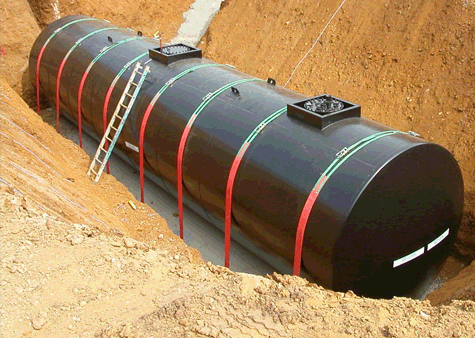
I grew up on my family’s dairy farm in northern Wisconsin. My dad had a 300-gallon steel gas tank that sat on a stand about six feet off the ground in the shade of a White Pine tree. He refilled it every year or two, and that gas powered our two Allis Chalmers WD 45 tractors and the other gas-powered engines, lawn mowers, etc., on the farm. So far as I know, he never used any stabilizers and we never had any fuel-related problems. Of course, the gas was rotated frequently enough that one would not expect there to have been problems.

My dad continued to raise a few head of beef and generally had a couple draft horses on the farm in the years after he sold the dairy herd and semi retired. He used much less gas then but still used it out of the 300-gallon tank. He would buy a couple hundred gallons of (non-ethanol) gas every two or three years as he needed it, again without using stabilizers and without any problem, even though the tank was always only partly full. My dad died in 2003. I know that the gas in the tank at the time of his death dated back to at least 2002 and might have been as old as 2000. I continued to use the gas out of that tank for the Allis tractors and for lawn mowers on the farm until 2008, when I emptied the tank and moved to my house. Even without fuel stabilizers, in an above-ground (although constantly shaded), partially empty tank, I experienced no problems with the gas, even in small engines. I have no doubt that the gas steadily degraded over that period of time, but it still performed adequately.

As a result of that experience, I have adopted the following practice for long-term storage of gas. Because I didn’t have a place to put the tank where it would be constantly shaded, as it was by the White Pine on the home place, I put it on the east gable end of my detached garage where it is shaded from noon on, and fashioned a covering of corrugated aluminum roof panels to protect it from direct sunlight. For the first few years I would use the gas and refill the tank with fresh gas every two years. That meant drawing down my supply so that if some calamity occurred at the worst possible moment, as calamities have a habit of doing, I would be left without my emergency fuel supply. Therefore, I have since adopted my current strategy, which seems to work fine. I treat the gas every nine to twelve months with PRI-G and, during the summer months, use gas out of the tank for lawn mowers and tractors. Whenever I have drawn the tank down by ten or fifteen gallons, I top it off with PRI-G-treated, non-ethanol gas. I continue to treat the whole 300 gallons with PRI-G every nine to twelve months. Over the course of a summer I will typically use 40 to 50 gallons of gas. In this way I will never completely rotate the gas, but I am adding the equivalent of a fresh 300-gallon tank full every six years and am depending on the PRI-G to maintain the quality of the fuel over the long run. This system, I think, carries the benefit of keeping my tank within ten or fifteen gallons of full at all times, which should help maintain the quality of the gas, and which means I should never be caught flat-footed in an emergency. Based on my experience using up my dad’s aging, untreated gas after his death, I believe that, especially with the benefit of PRI-G (in which I have much faith), the gas should always be of adequate quality. I know that diesel would be much easier to store long term in bulk, but I’m kind of attached to those old Allis tractors, and I think my system works. I offer my experience, for whatever it might be worth, to your readers. Respectfully, – F.D.