Odds ‘n Sods:

From the desk of Mike Williamson, SurvivalBlog’s Editor at Large:

Despite what you’ve heard about the fearsome IS fighters in sweeping victories, this video footage obtained by VICE News shows that they are often in disarray.

o o o

Cartels Help Terrorists in Mexico Get to U.S. to Explore Targets; ISIS Militant Shaykh Mahmood Omar Khabir Among Them – Sent in by B.B.

o o o

Fridges go off as Venezuela power-rationing hits – It was only a matter of time before this started. Are your preps ready for that here? Can you do without your fridge (or freezer)? – L.G.

o o o

Reader T.P. sent in a link to an excerpt of a documentary on drones surviving nuclear blasts. Jump to the 2:55 point and watch the horizontal stabilizer get hit by the atomic bomb’s shockwave. Lockheed built a VERY STRONG airplane. Also, please note, the vintage vacuum tube avionics and drone servo controls all remained working – at point blank range in a live nuclear blast – enough to allow the return of the unmanned F-80s back to attempt landings. EMP damage? Not enough to down these remotely piloted jets. No I-chips, no solid state = minimal EMP damage. Got tubes?

o o o

More than 700,000 boycott Target over transgender bathroom policy – Despite what the vocal minority wants you to believe, the overwhelming majority don’t agree with the policy that allows perverts in the bathroom with your daughter. – DSV

o o o

North Korea’s Nuclear Missile Threat: Very Bad News – Sent in from P.M.


Notes for Wednesday – April 27, 2016

On this day in 1789, the crew of the British ship Bounty mutinied, setting Captain William Bligh and 18 sailors adrift in a launch in the South Pacific.

o o o

Today, we present another entry for Round 64 of the SurvivalBlog non-fiction writing contest. The nearly $12,000 worth of prizes for this round include:

First Prize:

  1. A Tactical Self-Contained 2-Series Solar Power Generator system from Always Empowered. This compact starter power system is packaged in a wheeled O.D. green EMP-shielded Pelican hard case (a $1,700 value),
  2. A Gunsite Academy Three Day Course Certificate that is good for any one, two, or three day course (a $1,195 value),
  3. A course certificate from onPoint Tactical for the prize winner’s choice of three-day civilian courses, excluding those restricted for military or government teams. Three day onPoint courses normally cost $795,
  4. DRD Tactical is providing a 5.56 NATO QD Billet upper with a hammer forged, chrome-lined barrel and a hard case to go with your own AR lower. It will allow any standard AR-type rifle to have a quick change barrel, which can be assembled in less than one minute without the use of any tools and a compact carry capability in a hard case or 3-day pack (an $1,100 value),
  5. Gun Mag Warehouse is providing 20 Magpul PMAG 30-rd Magazines (a value of $300) and a Gun Mag Warehouse T-Shirt; (an equivalent prize will be awarded for residents in states with magazine restrictions),
  6. Two cases of Mountain House freeze-dried assorted entrees in #10 cans, courtesy of Ready Made Resources (a $350 value),
  7. The Ark Institute is donating a non-GMO, non-hybrid vegetable seed package (enough for two families of four) plus seed storage materials, a CD-ROM of Geri Guidetti’s book “Build Your Ark! How to Prepare for Self Reliance in Uncertain Times”, and two bottles of Potassium Iodate (a $325 retail value),
  8. A $250 gift certificate good for any product from Sunflower Ammo,
  9. KellyKettleUSA.com is donating an AquaBrick water filtration kit with a retail value of $250, and
  10. Two cases of meals, Ready to Eat (MREs), courtesy of CampingSurvival.com (a $180 value).

Second Prize:

  1. A Glock form factor SIRT laser training pistol and a SIRT AR-15/M4 Laser Training Bolt, courtesy of Next Level Training, which have a combined retail value of $589,
  2. A transferable certificate for a two-day Ultimate Bug Out Course from Florida Firearms Training (a $400 value),
  3. A Model 175 Series Solar Generator provided by Quantum Harvest LLC (a $439 value),
  4. A Trekker IV™ Four-Person Emergency Kit from Emergency Essentials (a $250 value),
  5. A $200 gift certificate good towards any books published by PrepperPress.com,
  6. A pre-selected assortment of military surplus gear from CJL Enterprize (a $300 value),
  7. RepackBox is providing a $300 gift certificate to their site, and
  8. Safecastle is providing a package of 10 LifeStraws (a $200 value)
  9. American Gunsmithing Institute (AGI) is providing a $300 certificate good towards any of their DVD training courses.

Third Prize:

  1. A Royal Berkey water filter, courtesy of Directive 21 (a $275 value),
  2. A $245 gift certificate from custom knife-maker Jon Kelly Designs, of Eureka, Montana,
  3. A large handmade clothes drying rack, a washboard, and a Homesteading for Beginners DVD, all courtesy of The Homestead Store, with a combined value of $206,
  4. Expanded sets of both washable feminine pads and liners, donated by Naturally Cozy (a $185 retail value),
  5. Two Super Survival Pack seed collections, a $150 value, courtesy of Seed for Security, LLC,
  6. Mayflower Trading is donating a $200 gift certificate for homesteading appliances,
  7. Montie Gear is donating a Precision Rest (a $249 value), and
  8. Two 1,000-foot spools of full mil-spec U.S.-made 750 paracord (in-stock colors only) from www.TOUGHGRID.com (a $240 value).

Round 64 ends on May 31st, so get busy writing and e-mail us your entry. Remember that there is a 1,500-word minimum, and that articles on practical “how to” skills for survival have an advantage in the judging.


An Ounce of Prevention Is Worth a Pound of Cure- Part 2, by L.W.

Clean Clothes

The first line of defense in protecting the skin is your clothing. Protect the hands by always using gloves appropriate to the task at hand—medical gloves for caring for the sick and injured; heavy duty rubber gloves for washing dishes and a completely different set for bathroom cleaning; garden gloves; and leather work gloves. Beyond the gloves, we also need to use clothing to protect the rest of the body. The better covered the body, the better the defense. Understand that sunscreen will eventually run out or lose its efficacy, so protecting the skin from sunburn (and the potential for blisters and infection) will be more important than ever. Use hats and wear long sleeves when appropriate. Protect yourself from insect bites and scratches with long pants and long sleeves and even insect repellents. Protect the feet with good shoes and good, clean socks.

Choose clothing wisely. Natural animal fibers are water repellent, so they repel odor and spills better than cotton and synthetics. This has the added benefit of less time and effort expended in doing laundry. Natural animal fibers also wick perspiration away from the body, creating a cooling effect, meaning you’ll be able to wear long sleeves more easily while working in warmer temperatures.

My father was a diabetic. He wore wool socks every day, whether in the cold of winter or the heat of summer. His feet didn’t stink or develop fungus such as athlete’s foot. Not until I started wearing wool socks after surgery on my foot did I realize wool helped to regulate my body temperature. I also noticed that my feet didn’t smell, even after wearing tennis shoes. This is because wool wicks away perspiration, keeping you cool and dry in summer and warm and dry in winter. Perspiration itself is rather odorless, but when it remains on the skin bacteria immediately start to grow. That is where the odor comes in.

Ounce of Prevention

Wearing the proper clothing will protect the skin, which is the body’s first line of defense in preventing disease.

Laundry

Our clothes must be clean to keep our skin clean and protected from dirt and germs. We also feel better emotionally when we are clean.

Detergent

This DIY laundry detergent has the advantages of being cost effective as well as space saving. Instead of using ½ cup to 1 cup per load of commercial detergent, you only use one or two tablespoons.

1 bar Fels-Naptha soap, grated

1 cup Washing Soda

1 cup Borax

Mix it all up. If you are still able to use a food processor, you can process it for a minute or two to make it a more powder-like texture. Store in airtight container. Use 1-2 tablespoons per load, depending on the size of your load and softness/hardness of your water.

In preparation for a time when your clothes washer is no longer available, consider the following options. As you do so, bear in mind that until commercial washing machines came on the market, women spent an entire day (usually Monday) each week doing laundry. Make sure you have several pairs of heavy duty rubber gloves to protect your hands. Washer women in the 19th century were very well paid (for women, anyways), but they also paid the price with their hands. They always hid their hands behind their backs or in their pockets, because they were so cracked and raw.

Boiling

Fill a large (non- rusted) stockpot or canner 2/3 full with water and add laundry soap in an amount appropriate to the size of the pot and the quantity of laundry. (Add bleach with the soap, if you are washing whites.) While the water is heating, pre-rinse your laundry by soaking it in a different pot. Wring out the pre-rinse water from the clothes and set them aside. When the washing water reaches a hard boil, add the presoaked laundry. Boil for 15-20 minutes, using a wooden spoon to stir clothes occasionally. Use the spoon to remove one item at a time from the wash water and put into a basin of warm rinse water. Stir around to get out the soap. Have another basin or two of warm water to finish rinsing out the soap. (My grandmother used three rinse tubs for her laundry.) Wring out the water and hang on a clothesline.

Scrub boards

Heavy duty wool and cotton fabrics of history could handle the scrub board. Our light-weight, synthetic fabrics may not. If you choose to use a washboard, be careful how hard you scrub.

Portable hand-powered washer

There are several options on the market. You can purchase a portable washer to wash your clothes. You manually turn the handle to agitate the clothes. They’re not inexpensive, they’re small, but they work. The Kiwi Camping Washing Machine is $59 and handles 12 kg. of clothes. The Ezywash Manual Rotary Washing Machine costs $99 and handles 2.2 kg of clothes.

Punching clothes

This method combines pioneer methods with a modern twist to reduce labor expended while still cleaning the clothes.

Begin with a new heavy-duty toilet plunger and drill ¼ – 3/8 inch holes sporadically in the rubber section of the plunger. Get a large tub/canner/tub/bucket that can handle hot water. Pour boiling water into the tub, add detergent, and mix thoroughly. Place some laundry, for example, all the socks or a pair of jeans, in the wash water. Take the plunger and pretend you are plunging a toilet, working the plunger up and down, to agitate the clothes. Continue for about 5-10 minutes, depending how soiled they are, and then remove them from the still hot water with a large stick. Wring out the clothes to remove as much of the soapy wash water as possible, and then place them in the rinse tub of warm water. Stir and repeat rinsing process two more times. Use heavy duty gloves, as wringing out the clothes can also be harsh on hands.

Clothesline

Regardless of which washing method used, hang all clothes on a clothesline. Cotton clothesline rope ¼’’ diameter is best and can be found at any hardware or department store. Thicker rope may not accommodate clothespins. Use wood clothespins; the plastic ones deteriorate quickly in the sun and break. Do not just lay clothes on top of the line. This may not permit air to penetrate to the inside and will increase drying times, and wind can pick up lighter items and drop them in the dirt.

Ounce of Prevention:

Keeping our clothes clean is also essential in protecting the skin, the body’s first line of defense in preventing disease.

Waste Management

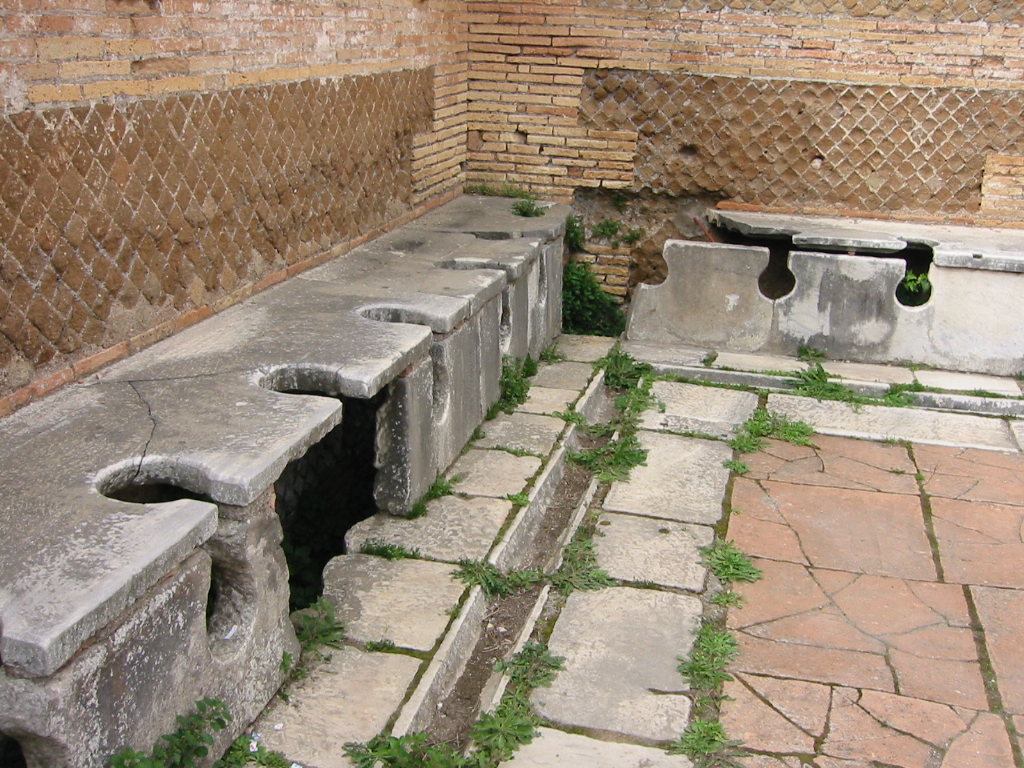
Proper sanitation, including the proper disposing of human and animal waste to prevent the spread of disease, is essential. Following are some options when a traditional toilet is not available. Regardless of the method used, all waste must be buried at least eight inches deep and at least 200 feet (about 70 steps) away from any surface water to prevent contamination.

Chamber Pot

For best results, use a metal container, such as a bucket or an old cooking pot that you’d never use again, or a ceramic crock with a lid. You do not want a porous container, like plastic; it will retain odor. The chamber pot needs to be sanitized daily by mixing two teaspoons of bleach with 1 cup of water and swishing within the container.

Two five-gallon buckets with toilet seats attached

This method works better for the short term, because of the disposal options. Line each bucket with a sturdy biodegradable toilet bag with the opening draped over the edge of the bucket. Toilet bags are designed to be biodegradable on their own, allowing you to bury the bag directly. If you are just using plastic bags you will have to retie them later, so it’s worth it to purchase biodegradable or waste treatment-approved bags to begin with. Toilet bags are also long enough that you should be able to twist the top closed and form a single overhand knot in the neck without coming into contact with the interior of the bag. Put a toilet seat on top of each of the buckets. To reduce odor and speed decomposition, sprinkle sawdust, coffee grounds, finely shredded paper, baking soda, or lime over the waste in the solid’s bucket. At the end of the day tie both sacks and dispose of them by either burying the sacks or dropping them in a vaulted toilet.

Cat holes

Cat holes are meant for one-time use only. Select a site at least 200 feet from any surface water. Using a trowel, dig a hole 6-8 inches deep and 4-6 inches in diameter. After business is complete, cover the waste with dirt.

Latrines

Latrines are for larger groups of people. The number in your group determines the size of the hole. Cover the deposits with dirt. Latrines should be used when necessary as the concentration of feces to soil takes up to three years to decompose.

Vaulted Toilet or Out House

Dig a large pit more than 200 feet away from water. Build a structure over the pit. In a corner of the outhouse, store lime in a covered can with a scoop nearby. Sprinkle one scoop of lime in the hole after each use. Do not allow lime on the toilet seat; lime will burn skin. Lime controls odor, hastens waste decomposition, and helps eliminate flies. If lime is not available, wood ash may be substituted.

Wiping

The toilet paper alternatives—newspaper, phone books, rags, plants (mule’s ear)—all have their advantages. They’re free, space-saving, and/or renewable. However, if you’re inclined to stick with toilet paper, here’s how to estimate how much you will need.

Put new rolls of toilet paper on all toilet paper dispensers. Mark the calendar out for two weeks. As each roll is used and replaced, put the empty cardboard tube in a designated place so you can count up the total number of used rolls at the end of the two-week period. (Be sure to make allowances for people who are away from home, at work or school. Remember, when TEOTWAWKI hits, everyone will be home 24×7.) After two weeks, count the empty rolls plus any rolls on your dispensers that are half used. Let’s say you have four empty rolls and two half-used rolls left; that would equal five full rolls. Then multiply the total number used, five in our example, by two (for there are two weeks left in the month). This equals ten total rolls that would have been used for that month. Multiply that number (ten) by twelve months and you calculate that you need to purchase 120 rolls of toilet paper for a year’s supply.

For illness purposes, or when guests come, you might want to include an extra package or two in your calculations. Storage space is at a premium. Mega rolls are great for storage, but they are too big for some dispensers. Store the biggest roll your dispenser accommodates.

Ounce of Prevention

Proper waste management will reduce flies, which spread disease, and will also keep the water supplies clean, keeping everybody healthy.

Cleaning the Bathroom

Surface cleaner

Here is a terrific DIY cleanser for bathroom surfaces, including porcelain, tile, and glass. (Test in an inconspicuous area for granite or Corian.) It cuts through soap scum and mildew, like any commercial bathroom product, and costs just pennies.

1 2/3 cups baking soda

½ cup liquid soap

½ cup water

2 tablespoons white vinegar

1 clean 16-ounce squirt bottle with closing cap

Mix baking soda and liquid soap in a bowl. Add in the water and vinegar. Stir mixture with fork until all lumps have been dissolved. Pour liquid into bottle. Shake well before using. Squirt on area to be cleaned. Scrub with a nylon-backed sponge. Rinse with water. Replace cap after use.

Cleaning the toilet

To clean the toilet, pour apple cider vinegar into the bowl and allow it to soak overnight. In the morning, use a brush for a sparkly bowl. The bathroom will be apple scented. If you don’t care for the smell, use an air freshener or light a match.

Cleaning the Kitchen

Apple cider vinegaris one of the greatest natural cleaning agents as it has antimicrobial properties. Acetic acid, which is found in apple cider vinegar, is what kills E. coli. The combination of lemon juice and vinegar kills salmonella. It is the acidity of the vinegar that is key in fighting germs. A 10% malt vinegar solution is just as effective in killing A/H1N1 influenza virus as are commercial cleaning wipes. If vinegar is less than 5% acid it will not be effective enough, and bleach should be used instead.

Kitchen surfaces

To clean kitchen surface areas, fill a spray bottle one-third full with apple cider vinegar, top off with water, and replace sprayer. Spray vinegar solution onto surfaces such as counters, stove tops, and table tops. Wipe dry with a clean rag.

A solution of equal parts of white vinegar and water is effective and safe for washing both the interior and exterior of the refrigerator and the fruit and vegetable bins. It also prevents mildew growth. It would be wise to have at least a few gallons each of white and apple cider vinegar on hand. (As noted, apple cider vinegar is a cleaning agent, but it is also medicinal. However, it must be true apple cider vinegar and not the flavored stuff that has been making its way onto store shelves.) White vinegar is also useful for cleaning, for softening laundry, and in preserving food.

Vinegar is also useful for cleaning cutting boards. Of course, there should always be at least two cutting boards in every kitchen—one for raw meats and another for breads, fruits, and vegetables. Wood boards should not be used for cutting meat because they are too porous. Meat should be cut on plastic boards only, and once a plastic board exhibits deep cuts it needs to be replaced. Sanitizing it is just too difficult at this point. Wood cutting boards are best used for breads and produce.

Cleaning Dishes

I served as part of the kitchen crew at two summer camps. One of the duties included making sure each camper got her dishes clean. We accomplished this in an assembly line fashion with four washing bins/stations: (1) pre-rinsing, for removing most of the food particles from the plate; (2) washing in hot water; (3) rinsing; and (4) sanitizing. While the young campers could tolerate brief dips in each bin for washing her own dishes, an individual on dish duty for every meal is really going to want heavy-duty rubber gloves to protect hands from the scalding water and sanitizing solution. (Be sure that there is a different pair for bathroom cleaning purposes.)

The sanitizing solution we used consisted of two teaspoons of bleach per three gallons of water. The dishes were then drained and allowed to air dry. Be sure to use only plastic tubs—bleach and metal don’t mix. Also, do not attempt any shortcuts here. The dishes must be washed and rinsed before applying the sanitizing solution. Food particles remaining on the dishes will reduce the efficacy of the sanitizing solution.

Cleaning the Rest of the Home

Deep cleaning against germs, especially when sickness is in the home, is a sure precaution. Bleach is a powerful disinfectant. Bear in mind that it has a relatively short shelf life and that it must be rotated frequently. Within a year of opening a new bottle of bleach, 70-80% of the labeled strength will be gone, and that is assuming that it was stored properly—in the dark and between temperatures of 50-70 degrees Fahrenheit. After the bleach bottle is opened and exposed to air, and especially if it is diluted with water, the chemicals break down faster and the bleach loses its strength.

Bleach disinfecting solution

In a spray bottle, add two tablespoons of regular bleach and then four cups of water. Gently shake to mix thoroughly. Use this solution once a day. While it may still be effective the next day if kept out of light in a cool place, it would be best to make a new batch each day. When you’re done, empty the bottle and let it dry out.

Ounce of Prevention

Clean living areas will prevent the spread of all illnesses.

Over the years, I have learned when normalcy of life ceases to exist, so does the rational thought process of people. Our brains go into survival mode. Logic can and does go out the window. When it comes to clean water and sanitation, an ounce of prevention will be worth far more than a pound of cure.


Letter Re: Velcro in Tactical Gear

SurvivalBlog reader R.B. wrote in to ask about Velcro on Tactical Gear. As a life-long SCUBA diver, on wrecks, rescues, and searches, he states that Velcro can fail to stay attached when wet. Aside from the obvious issue of sound (the exceedingly loud rrrrriiiip when it is removed, either intentionally or accidentally), we’d like to hear from you. Do you use Velcro on your equipment? If not why? If so, what issues do you have? – HJL


Economics and Investing:

Unions’ $15 Minimum Wage About-Face – Sent in by B.B. Note: The link will require that you either have an account or have ad-blocker disabled.

o o o

The lack of inventory in housing: 5.9 percent fewer homes for sale in the U.S. than there were a year ago. You also have flippers asking for ridiculous prices on homes the size of closets. All this brings back memories of 2006 and 2007.

o o o

No One Works in 1 in 5 U.S. Families – G.G. Excerpt: “There were 81,410,000 families in the United States in 2015. Of those, there were 16,060,000 families in which no member was employed, or 19.7 percent of the total.”

o o o

It’s now almost impossible to save for retirement – Excerpt: “Zero (or negative) interest rates around the world have practically destroyed any reasonable expectation of savings.”

o o o

Saudi Arabia Releases Ambitious Plan To Diversify Economy

o o o

SurvivalBlog and its editors are not paid investment counselors or advisers. Please see our Provisos page for details.


Readers’ Recommendations of the Week:

Blast 23. Ultimate faith based true story. A star high school football player becomes blind, still plays football, and eventually becomes a pastor. Watch the amazing extras! – DMS

o o o

Reader P.M. writes in: “One of my favorite books as a youngster was “T-Model Tommy” by Stephen W. Meader. The story of a boy in the 1930’s Depression who recovers an old truck from a junkyard and starts a coal-hauling business to support himself and his widowed mother.

I was pleased to learn that all 44 of Meader’s novels have been reprinted by Southern Skies Press. The stories are historically accurate, promote moral standards, and free enterprise. The vocabulary is not “dumbed down” and can be read with enjoyment and enlightenment by adults.

For years these books have had a cult following and brought big prices on eBay and other search sites. Now they are available at a modest price, a lot less than I paid to complete my set of originals.

Many of the books are set in the colonial or pre-Civil War era, and demonstrate that people could, and did live interesting, fulfilling, and purposeful lives without any of the trappings of modern existence that we find to be essential.

Check out any Meader story, and I know you will be pleased to recommend them to any boy or girl who enjoys or will learn to enjoy good reading.”

o o o

Two from CD in VA:

Land of Mine – A young group of German POWs are made the enemy of a nation, where they are now forced to dig up 2 million land-mines with their bare hands.

Airlift – It is in this scenario that Ranjit Katyal (played by Akshay Kumar), a wealthy and powerful Indian businessman, who has always seen himself as a Kuwaiti, rather than an Indian, realizes that he no longer wields any influence on the Iraqis, and that he and his family are in as much danger as anyone else. Ranjit unknowingly becomes the man who all 170,000 Indians look up to for getting them out safely from Kuwait. Airlift is the story of Indians stranded in Kuwait during this traumatic time. A story of how they, with the help of Ranjit Katyal, managed to survive the Iraqi invasion, and against all odds traveled a thousand kilometers across the border into Amman, Jordan. From Amman, 170,000 Indians were brought home by the largest and the most successful evacuation ever attempted by any country, in the history of the world. Over 59 days, the Indian government systematically flew over 488 Air India commercial flights into a war zone to evacuate all 170,000 Indians and safely bring them home.


Odds ‘n Sods:

Safecastle’shuge Mountain House food sale ends this Saturday, April 30. Both the 30-year #10 cans and the 12-year pouches are seriously discounted, up to 46%. Safecastle always includes shipping to the lower 48.

o o o

Camping Survival has a new video out on cleaning water. It’s not a survival video but is good info.

o o o

From the desk of Mike Williamson, SurvivalBlog’s Editor at Large: Camopedia, the camourlage encyclopedia.

o o o

The Death of Encryption. “The Burr-Feinstein bill claims to support “the rule of law,” which the authors seem to think means that if a government agency or court orders us to do something, we must do it without question.”

o o o

Oregon Bakers Continue Legal Fight, Challenging ‘Gag Order’ – Sent in by B.B.


Hugh’s Quote of the Day:

“All human life should be safe from the invasive harm of others, including both mother and child. No government funding should exist one way or another.” – David J. Theroux


Notes for Tuesday – April 26, 2016

On April 26, 1986, the world’s worst nuclear accident occurred at the Chernobyl plant in the Soviet Union. An explosion and fire in the No. 4 reactor sent radioactivity into the atmosphere; at least 31 Soviets died immediately.

o o o

Today, we present another entry for Round 64 of the SurvivalBlog non-fiction writing contest. The nearly $12,000 worth of prizes for this round include:

First Prize:

  1. A Tactical Self-Contained 2-Series Solar Power Generator system from Always Empowered. This compact starter power system is packaged in a wheeled O.D. green EMP-shielded Pelican hard case (a $1,700 value),
  2. A Gunsite Academy Three Day Course Certificate that is good for any one, two, or three day course (a $1,195 value),
  3. A course certificate from onPoint Tactical for the prize winner’s choice of three-day civilian courses, excluding those restricted for military or government teams. Three day onPoint courses normally cost $795,
  4. DRD Tactical is providing a 5.56 NATO QD Billet upper with a hammer forged, chrome-lined barrel and a hard case to go with your own AR lower. It will allow any standard AR-type rifle to have a quick change barrel, which can be assembled in less than one minute without the use of any tools and a compact carry capability in a hard case or 3-day pack (an $1,100 value),
  5. Gun Mag Warehouse is providing 20 Magpul PMAG 30-rd Magazines (a value of $300) and a Gun Mag Warehouse T-Shirt; (an equivalent prize will be awarded for residents in states with magazine restrictions),
  6. Two cases of Mountain House freeze-dried assorted entrees in #10 cans, courtesy of Ready Made Resources (a $350 value),
  7. The Ark Institute is donating a non-GMO, non-hybrid vegetable seed package (enough for two families of four) plus seed storage materials, a CD-ROM of Geri Guidetti’s book “Build Your Ark! How to Prepare for Self Reliance in Uncertain Times”, and two bottles of Potassium Iodate (a $325 retail value),
  8. A $250 gift certificate good for any product from Sunflower Ammo,
  9. KellyKettleUSA.com is donating an AquaBrick water filtration kit with a retail value of $250, and
  10. Two cases of meals, Ready to Eat (MREs), courtesy of CampingSurvival.com (a $180 value).

Second Prize:

  1. A Glock form factor SIRT laser training pistol and a SIRT AR-15/M4 Laser Training Bolt, courtesy of Next Level Training, which have a combined retail value of $589,
  2. A transferable certificate for a two-day Ultimate Bug Out Course from Florida Firearms Training (a $400 value),
  3. A Model 175 Series Solar Generator provided by Quantum Harvest LLC (a $439 value),
  4. A Trekker IV™ Four-Person Emergency Kit from Emergency Essentials (a $250 value),
  5. A $200 gift certificate good towards any books published by PrepperPress.com,
  6. A pre-selected assortment of military surplus gear from CJL Enterprize (a $300 value),
  7. RepackBox is providing a $300 gift certificate to their site, and
  8. Safecastle is providing a package of 10 LifeStraws (a $200 value)
  9. American Gunsmithing Institute (AGI) is providing a $300 certificate good towards any of their DVD training courses.

Third Prize:

  1. A Royal Berkey water filter, courtesy of Directive 21 (a $275 value),
  2. A $245 gift certificate from custom knife-maker Jon Kelly Designs, of Eureka, Montana,
  3. A large handmade clothes drying rack, a washboard, and a Homesteading for Beginners DVD, all courtesy of The Homestead Store, with a combined value of $206,
  4. Expanded sets of both washable feminine pads and liners, donated by Naturally Cozy (a $185 retail value),
  5. Two Super Survival Pack seed collections, a $150 value, courtesy of Seed for Security, LLC,
  6. Mayflower Trading is donating a $200 gift certificate for homesteading appliances,
  7. Montie Gear is donating a Precision Rest (a $249 value), and
  8. Two 1,000-foot spools of full mil-spec U.S.-made 750 paracord (in-stock colors only) from www.TOUGHGRID.com (a $240 value).

Round 64 ends on May 31st, so get busy writing and e-mail us your entry. Remember that there is a 1,500-word minimum, and that articles on practical “how to” skills for survival have an advantage in the judging.


An Ounce of Prevention Is Worth a Pound of Cure- Part 1, by L.W.

In 2007 the British Medical Journal polled doctors about what they considered to be the most important medical advance in modern history. While not necessarily a medical advance, clean water and sanitation—the number one answer in the survey—have undoubtedly prevented more early deaths than any other single advancement. The question for us is: What do we do to ensure we have clean water and to promote sanitation when TEOTWAWKI hits?

The black plague killed over 75 million Europeans. Why? Rats and their fleas were the major source of spreading Yersinia Pestis– the cause of the black plague. Why were rats crowding around European cities? It was due to the utter lack of sanitation and cleanliness. That, combined with the high population density, produced the perfect storm of death.

Unfortunately, we live in a society where proper hand and bathroom hygiene is disregarded by many and where even food service industry workers have to be threatened with job loss for failing to wash their hands after using the restroom at work. Ready access to medical care and medications has protected us in the past, but these modern blessings may not be available in the future. We have to recognize that we will be surrounded with others who may not share our views on sanitation. We need to be able to educate them and protect ourselves at the same time.

Clean Water

Boiling water has been the method of choice for purification throughout history, and according to the CDC, “[e]xcept for boiling, few of the water treatment methods are 100% effective in removing all pathogens.” So while bleach, filters, and purification tablets may be used, boiling is best.

Boiling water

To kill pathogens (bacteria, parasites), bring water to a hard rolling boil for one minute, plus an extra minute for each 1,000 feet above sea level. A major disadvantage of boiling is the energy required. It may be wise to consider having a Kelly Kettle or rocket stove available.

Solar distillation

Just a little searching on the Internet will yield a wide variety of plans for DIY solar stills; it won’t be long before you find one that will fit your situation and skill set. While every bit as effective as boiling at killing pathogens (and with the advantage of removing heavy metals and radiation), the major drawback is that most DIY and personal-size stills do not produce enough water for a family.

Purification Tablets

Data strongly suggest that iodine disinfection is not 100% effective in inactivating Cryptosporidium, an organism commonly found in surface waters.

Bleach

When boiling water is not an option, water can be treated with bleach. First, if your water is not clear, pour it through a coffee filter or let the water sit until the particles settle at the bottom and then pour off the clear water into a clean container. Add two drops of non-scented bleach per quart of water (eight drops per gallon). For cloudy water, use three drops per quart of water or twelve drops per gallon. Let water stand for 30 minutes. There should still remain a slight odor of bleach; if not, let stand an additional 15 minutes. To eliminate some of the off taste, pour this water between clean containers several times.

While most of us understand the need for treating drinking and cooking water, what many people fail to understand is that all wash water must also be clean. We absolutely cannot wash our hands or rinse out some dishes in what appears to be a clean, clear mountain stream without the risk of picking up giardia or cryptosporidium. We can’t use that same stream to wash off some dirt or clean a wound. All water coming into contact with our hands and with any wounds, even scratches or scrapes, must be treated.

Ounce of Prevention

It is much easier to purify water than to suffer the consequences of parasites, cysts, dysentery, typhoid, and more, all of which will require medication to treat and which will have the potential to spread and expose and/or harm others. We will not live long without clean drinking water.

Personal Hygiene

Hands

Effective hand washing prevents the spread of germs. A quick rinse is not enough! It is the combination of soap, clean water, and friction that rids our skin of germs. Having a small brush near the sink to use under fingernails is also critical. Antibacterial soap is not necessary and, in fact, can prevent our immune systems from building up the antibodies we need to fight germs.

Hand sanitizerdisinfects when soap and water are not an option. It has a three-year shelf life from time of manufacture. Keep some bottles on hand as a backup when soap and water are not available.

To make DIY hand sanitizer, combine ½ cup 100% aloe vera gel with ¼ cup witch hazel and stir until the lumps are gone. Then, add ¾ cup 70% isopropyl alcohol. You can choose, as an option, to add 10 drops of lemon or orange essential oil for a scent. Shake and pour your DIY hand sanitizer into bottles.

Latex exam gloves and N-95 masks should be used in caring for the ill. The gentle care of cleaning fluids from a sick person’s face is all well and good, but using the same water and washcloth over and over only spreads disease. Contaminants will get onto the caregiver’s hands, if he/she doesn’t use latex gloves. Exam gloves offer protection when dealing with an open wound and can also protect you from any pathogens that may be infecting your patient’s blood. Wear these gloves only once and be careful about cuts or holes that can contaminate your hands or the individual you are assisting.

In addition to the wearing of latex gloves, an N-95 mask, which can be purchased at hardware stores, helps protect the caregiver from bacterial or viral infections. When the H1N1 flu erupted a few years ago, those who wore masks and gloves were less likely to get sick.

Teeth

Daily care helps you keep your teeth. If bacteria linger in the mouth, gums can develop abscesses. A soft bristle brush is gentle on the gums and enamel. Hard bristles hurt the gums and enamel and can actually foster cavities or other dental problems.

Toothpaste manufacturers advertise the bristles of the toothbrush need to be filled from one end to the other with toothpaste. This is not necessary. Just a little dab is all that is needed. (While fluoride is promoted as preventing tooth decay by strengthening the teeth, it is actually the brushing that is most essential.) I was curious to see how many months I could get out of a 5.6-ounce tube of toothpaste. Still brushing morning and night and being stingy with the toothpaste, my tube lasted between five and six months.

Alternatives to using toothpaste include wet brushing (just putting water on the toothbrush) or using salt or baking soda, like my mother’s family used during the Depression.

It is wise to store floss, as it not only gets the foreign matter from between teeth, but it also stimulates and strengthens the gums. (Floss can also serve as suturing thread if it is not waxed and is thin enough.)

Gargling with mouthwash also aids in oral care. If manufactured mouthwash isn’t available, you can gargle with diluted apple cider vinegar and water. This solution helps to eliminate bad breath and whiten teeth. Bear in mind that apple cider vinegar is highly acidic and quite harsh, so it needs to be diluted with water before gargling. Straight apple cider vinegar could damage the enamel on your teeth or the tissues in your mouth and throat.

Keeping your lips moisturized and protected from UV rays is also essential, as cracked lips can become infected. Keep UV rated Chap Stick or Carmex available.

Bodies

Bathing

The skin is the most important organ, in protecting the body from disease. We need to clean it properly and keep it clean. Our bodies accumulate foreign matter and can develop sores if we don’t cleanse ourselves. Bathing removes dead skin and germs and helps prevent irritations and rashes that could otherwise lead to infection.

For times when normal showering isn’t available, there are solar showers made for camping. Simply fill the bag with water and set it in the sun to warm.

Wipes

Baby wipes are not just for babies; they can be a godsend to the rest of us as well. They were very highly prized by our military in the Middle East to be able to clean up on the go. A few baby wipes can substitute for a shower, which is what many do while camping. Baby wipes are also easier to use when giving sponge baths to the elderly and disabled/injured.

Commercial baby wipes store for at least six to twelve months. Some may find it is better to store the supplies to make DIY wipes when they are needed. Bear in mind that the DIY wipes lack preservatives and thus do not have the shelf life of commercially produced wipes.

Recipe #1 (all-natural ingredients)

  • 1 roll of heavy duty paper towels, like Bounty, cut in half and inner cardboard tube removed
  • Plastic container with tight-fitting lid

Wipe solution:

Mix all the liquid ingredients in a bowl. Put the paper towels in the container and pour wipe solution over the towels. Let it absorb; this takes about 5-10 minutes. Flip the container over to make sure wipes are well soaked. Use as you would regular wipes.

Recipe #2

  • 1 roll of heavy duty paper towels, like Bounty, cut in half, and inner cardboard tube removed
  • Plastic containerwith tight-fitting lid

Put one half roll of towels in the plastic container. Set the other half aside for the next time.

Wipe solution:

Mix solution well and then pour solution over paper towels. Let absorb for 10-15 minutes. Invert container to soak other end as well.

Soap

Store bar soap instead of liquid. Bar soap weighs less and takes less space. In addition, store two to three different brands of bar soap that you and your family already use to make sure you do not have any sensitivities and so that you have another option in case sensitivities develop later.

To make your soap last longer, unwrap the soap and set it aside for six to eight weeks. This “cures” the soap, and it will be less likely to turn to mush when used. To make it last even longer, keep soap in a soap dish. Finally, if the bar is allowed to dry completely before being used again, it will last much longer.

Deodorant

Our bodies are designed to keep us cool so we won’t overheat, but we don’t need to stink. How much deodorant you store depends on how much you use. The purpose of deodorants prevents us from smelling. If store bought isn’t available, apple cider vinegar can help kill odor-causing bacteria, so dab a bit under your arms for a natural deodorant.

Lotion

Hands must be especially protected and pampered. The skin is the first line of defense against infection. Once our society collapses, our hands are going to be a whole lot busier and subject to cuts and scrapes. We can reduce the likelihood of some minor damage to the skin by keeping it moisturized. I live in a dry climate and my fingers crack and bleed if I don’t take care. Knowing I’m susceptible to infection, I have finally found a lotion that works for my hands. Avoid lotions that contain alcohol—it dries out skin.

Vinegar

To remove odor-causing bacteria from your feet, wipe them with apple cider vinegar.

Ounce of Prevention

Good personal hygiene will help protect the body from infection.


Letter Re: Doxycycline and Penicillin

Hugh,

I am interested in obtaining a supply of doxycycline, an antibiotic used to treat Lyme disease. If bugging out on foot ever became a necessity the exposure to ticks and Lyme disease in my part of the country is quite high. Can you make recommendations for purchasing this medication? I found little to guide me in your archives. I have seen it suggested to get veterinary medications; however when I looked at one major website doxycycline and penicillin where listed as the same drug. I believe that’s not accurate. Who am I to trust? – KM

HJL’s Comment: You’re in good shape. One of our Writing Contest winners last year has an excellent article on dealing with antibiotics. “Infectious Disease in the TEOTWAWKI World- Part 1”, “Part 2”, “Part 3”, “Part 4”, “Part 5”, and “Part 6” by Militant Medic. This information, of course, comes with the proviso that as long as the medical system is functioning, you should pursue care and medications through the system and under the supervision of a physician. The methods and information in this article are to inform you of your options when there is no viable alternative. There are serious consequences to over/under using these medications as well as a higher potential for impurities in the medications procured from less than reliable sources or sources intended for other than humans.


News From The American Redoubt:

Judge again refuses to let nationally known lawyer defend Cliven Bundy – Sent in by B.B.

o o o

Idaho Freedom Foundation is hosting the Freedom16 Town Hall meetings in North idaho. The Freedom Foundation President Wayne Hoffman will provide IFF’s take on the 2016 session on what lawmakers did right and what they got wrong.

o o o

Montana takes one on the chin – Surprise! Missoula, Montana expected to get mostly Muslim refugees after all. Sent in by B.B.

o o o

Sheriff Palmer intends to sue city of, John Day, employees


Economics and Investing:

Why I Believe the American Dream Just Died. – Sent in by G.G. – Excerpt: “My breaking point came yesterday, upon reading a Legg Mason survey of affluent investors, which Legg Mason defined as individuals with more than $200,000 in investment assets. It found that 55% of those surveyed believe that the American Dream no longer remains within reach, with only 23% “strongly agreeing” that they are living proof of its existence.”

o o o

U.S. stocks fall on oil, earnings; dollar retreats.

o o o

Dangerous Divergence. The Fed’s policy of “Save a Wall Street Banker” is beginning to show up in the charts in a disturbing way.

o o o

Hotel California or the Hotel Marriner Eccles. “Like the Hotel California, the debt based currency system lives on, and we can never leave it (without a traumatic reset).”

o o o

SurvivalBlog and its editors are not paid investment counselors or advisers. Please see our Provisos page for details.


Odds ‘n Sods:

Kenyan police fire tear gas as opposition marches on electoral body – The world continues in its civil unrest.

o o o

Science Fiction has a disturbing habit of turning into reality. Stories such as “Twenty Thousand Leagues Under the Sea” and “Around the World in Eighty Days” have been reality for a long time. Sadly, here are 10 Sci-Fi Dystopias That Are Everyday Realities Today. – Sent in by DSV

o o o

More than 340,000 people pledge to boycott Target over its policy to allow customers to use restrooms and fitting rooms matching their gender identity – Sent in by RBS

o o o

Reader J.H. wrote in about a disturbing Kraft Macaroni And Cheese TV Commercial that he saw while baby sitting his grandchildren. They were watching a show on the Nick Jr. channel. This ad is teaching our children and grandchildren that, if they do not like parents or grandparents discipline, authority, or just about anything, they can simply call the police and have them arrested. The current ruling class is attacking our children.

o o o

SurvivalBlog reader, Mr. Natural, sent in the links to these videos about the krikit .25 sheet metal pistol built with shop tools. You might want to save these. We’ve mentioned this before, but these links are more complete:

Background:

Videos:

The Plans– (The magazine is apparently the tricky part.)