Notes for Saturday – June 18, 2016

June 18th is the birthday of Pastor Douglas Wilson. Born in 1953, he is the pastor at Christ Church in Moscow, Idaho and a prodigious author on Reformed theology.

o o o

Today, we present another entry for Round 65 of the SurvivalBlog non-fiction writing contest. The nearly $12,000 worth of prizes for this round include:

First Prize:

  1. A Tactical Self-Contained 2-Series Solar Power Generator system from Always Empowered. This compact starter power system is packaged in a wheeled O.D. green EMP-shielded Pelican hard case (a $1,700 value),
  2. A Gunsite Academy Three Day Course Certificate that is good for any one, two, or three day course (a $1,195 value),
  3. A course certificate from onPoint Tactical for the prize winner’s choice of three-day civilian courses, excluding those restricted for military or government teams. Three day onPoint courses normally cost $795,
  4. DRD Tactical is providing a 5.56 NATO QD Billet upper with a hammer forged, chrome-lined barrel and a hard case to go with your own AR lower. It will allow any standard AR-type rifle to have a quick change barrel, which can be assembled in less than one minute without the use of any tools and a compact carry capability in a hard case or 3-day pack (an $1,100 value),
  5. Gun Mag Warehouse is providing 20 Magpul PMAG 30-rd Magazines (a value of $300) and a Gun Mag Warehouse T-Shirt; (an equivalent prize will be awarded for residents in states with magazine restrictions),
  6. Two cases of Mountain House freeze-dried assorted entrees in #10 cans, courtesy of Ready Made Resources (a $350 value),
  7. The Ark Institute is donating a non-GMO, non-hybrid vegetable seed package (enough for two families of four) plus seed storage materials, a CD-ROM of Geri Guidetti’s book “Build Your Ark! How to Prepare for Self Reliance in Uncertain Times”, and two bottles of Potassium Iodate (a $325 retail value),
  8. A $250 gift certificate good for any product from Sunflower Ammo,
  9. KellyKettleUSA.com is donating an AquaBrick water filtration kit with a retail value of $250, and
  10. Two cases of meals, Ready to Eat (MREs), courtesy of CampingSurvival.com (a $180 value).

Second Prize:

  1. A Glock form factor SIRT laser training pistol and a SIRT AR-15/M4 Laser Training Bolt, courtesy of Next Level Training, which have a combined retail value of $589,
  2. A transferable certificate for a two-day Ultimate Bug Out Course from Florida Firearms Training (a $400 value),
  3. A Model 175 Series Solar Generator provided by Quantum Harvest LLC (a $439 value),
  4. A Trekker IV™ Four-Person Emergency Kit from Emergency Essentials (a $250 value),
  5. A $200 gift certificate good towards any books published by PrepperPress.com,
  6. A pre-selected assortment of military surplus gear from CJL Enterprize (a $300 value),
  7. RepackBox is providing a $300 gift certificate to their site, and
  8. American Gunsmithing Institute (AGI) is providing a $300 certificate good towards any of their DVD training courses.

Third Prize:

  1. A Royal Berkey water filter, courtesy of Directive 21 (a $275 value),
  2. A $245 gift certificate from custom knife-maker Jon Kelly Designs, of Eureka, Montana,
  3. A large handmade clothes drying rack, a washboard, and a Homesteading for Beginners DVD, all courtesy of The Homestead Store, with a combined value of $206,
  4. Expanded sets of both washable feminine pads and liners, donated by Naturally Cozy (a $185 retail value),
  5. Two Super Survival Pack seed collections, a $150 value, courtesy of Seed for Security, LLC,
  6. Mayflower Trading is donating a $200 gift certificate for homesteading appliances,
  7. Montie Gear is donating a Precision Rest (a $249 value), and
  8. Two 1,000-foot spools of full mil-spec U.S.-made 750 paracord (in-stock colors only) from www.TOUGHGRID.com (a $240 value).

Round 65 ends on July 31st, so get busy writing and e-mail us your entry. Remember that there is a 1,500-word minimum, and that articles on practical “how to” skills for survival have an advantage in the judging.


Selecting the Perfect SHTF Vehicle, by W.L.

So, you’ve got your bug out bag packed and ready to go, survival supplies laid in at your bug out location, and you keep your powder dry. Have you stopped to consider how you’re going to move people and gear around? Traveling on foot is slow (about two miles per hour for the average person) and your hauling capacity is limited to 50 or 60 pounds of gear, food, ammo, et cetera. More realistically, take a look at recreational backpackers; their goal is to carry no more than 30 pounds for movement of 10-15 miles per day. If you are bugging out with a family and children, the task becomes even more difficult, since they won’t be able to carry all of their own supplies. Let’s face it, you’re going to need a vehicle when the “S*%# Hits The Fan”. The question is, what type of vehicle is the best choice?

vehicle-hmmwv

A quick Google search will produce some crazy suggestions. I have seen articles recommending a quarter million-dollar military MRAP (Mine Resistant Vehicle); a $60k highly modified, brand new Toyota Tundra pickup truck; a surplus military HMMWV; and a Mad Max creation of unknown origin. Sure, these make for cool Internet stories and great photos, but how realistic are they for the average person planning to survive a disaster? Let’s face it; they are poor choices for a number of reasons:

vehicle-mwrap

First, all of these vehicles create immense operational security (OPSEC) problems. If you’re driving around in a full tactical military rig, people are going to take notice. When the SHTF, they’ll know you have prepared and will come looking for supplies. It’s hard to keep a low profile when you look like the 3rd Marine Division rolling through town. In this, your pre-disaster OPSEC is completely blown, and now you’ve got to deal with dirt bags trying to rob you.

Second, these vehicles are incredibly expensive to buy and own. Long after you pony up the initial purchase price of $75k to $250+k, you’ll be paying outrageous annual personal property taxes and insurance. Most of these choices get terrible fuel economy (try 3mpg for an MRAP and 9mpg for a HMMWV), greatly increasing your pre-disaster operating costs as well as creating a bigger post-disaster fuel requirement.

Third, maintenance and repair parts are hideously expensive and hard to find. For example, I have a friend who maintains a corporate fleet of HMMWV’s, and he’s had to buy custom made replacement drive shafts ($2,000 each) and brake lines ($500 each) because the factory parts are no longer available. A post-disaster breakdown could render the vehicle useless and unrepairable.

Unless you have an unlimited budget, these outlandish vehicles are not an option, which brings us back to the central question, what is a good SHTF vehicle? Let’s consider the most important parameters in making this choice:

Fuel

Gasoline is readily available in normal circumstances but what about when the power is out and supplies are disrupted for weeks, months, or longer? Initially, fuel stations will have generators to run pumps and keep fuel flowing until their supplies run out. This could be several weeks in rural areas to as little as a few days in urban areas. Regardless of location, in the long term you will be limited to gasoline that you have stockpiled. Storing, transporting, and delivering gasoline is difficult and dangerous. It’s highly flammable and evaporates quickly. Modern gasoline (especially when blended with ethanol) is unstable and decays quickly. It can go bad in just a few months, unless treated with fuel stabilizer. Even in the best conditions, it won’t last much more than a year. If you must stockpile gasoline, buy the highest quality ethanol-free fuel that you can find, and use a first in-first out system of rotating stock.

There is no easily obtainable substitute for gasoline. An alcohol alternative could be distilled from crops, and this may be an option for people living near existing ethanol factories (generally in the Midwest), but most modern engines are only designed to run on a 10% ethanol/gasoline blend. If this is your plan, you’ll need an E85 rated vehicle (85% ethanol/gasoline blend). Otherwise, the vehicle will quickly suffer fuel system damage from the alcohol.

A much better choice is diesel fuel. It’s easier to store, safer to handle, and generally returns good fuel economy. Diesel fuel is stable and will last for years with minimal treatment. The primary concern in storing diesel is water contamination and algae growth, but if you start with clean, high quality fuel and add a biocide treatment, your fuel stores will last for many years, perhaps a decade. I have personally run diesel engines on untreated fuel that had been sitting in junkyard vehicle tanks for well over five years. Most importantly, in austere conditions, diesel vehicles can operate on a variety of substitutes, including cooking oil, waste oil, commercial or home-made bio-diesel, and even reclaimed motor oil. As a test, for the last four years I have been running a diesel Toyota on a mixture of diesel fuel and used motor oil in varying mix ratios. Other than additional exhaust smoke when the mix exceeded 50% motor oil, I observed no issues with performance or maintenance.

There might be an argument in favor of an electric vehicle. However, I suspect that expensive electric cars are going to be worthless once the grid goes down. Electric vehicles draw such significant power during recharge that many on-grid home electric systems are insufficient. One of the leading electric car manufacturers recommends a 50-amp, 240-volt service for recharging the vehicle at a rate of 30 miles of range per hour of charge. With current solar panel technology, this will require at least 800 square feet of solar panels. There would be no way to carry this with you, so the vehicle would be limited to round trips of roughly 200 miles and would be stranded in the event of a battery discharge away from home. This system would offer the benefit of powering your house when not charging the vehicle, but the installation cost may be shocking, so be sure to consult a solar specialist before going down this path.

Drivetrain

Anyone who has experienced a major snowstorm, power outage, or weather evacuation will tell you that when the grid goes down, traffic will be an immediate and ongoing nightmare. Without operational traffic signals, urban areas, cities, communities, and intersections will be gridlocked. Rural roads and open highways will eventually be littered with abandoned vehicles that have broken down or run out of fuel. Your concern will no longer be high-speed handling or ride quality. Conversely, in these conditions, a vehicle that can navigate rough terrain, cross medians, climb curbs, and handle urban sidewalks, forest trails, and fire roads will be imperative. The logical choice is a four-wheel drive pickup or SUV. These vehicles typically offer much higher ground clearance, heavy duty drivetrain and suspension, tougher tires, and generous load carrying capacity.

Modern or Vintage

vehicle-lcd1

Since the advent of electronic fuel injection, gasoline-powered vehicles have computer-controlled engines. They are very reliable under normal conditions but are quite complex to repair under austere conditions. In the event of an EMP (electromagnetic pulse), all of these vehicles will be rendered useless; there is no work-around for a failed computer. However, most diesel vehicles through the late 1990’s are powered with mechanically injected engines. They require no computer to operate, and many can actually continue to run without any electrical system, once started.

A Few Good Choices

Several vehicles that meet all of these criteria are 1990’s Toyota Diesel Land Cruiser and Toyota Diesel Hilux (4runner and Pickup). Toyota never sold these vehicles in the U.S. market; however, the rest of the world was lucky enough to have a ready supply. For almost half a century, these have been the preferred vehicle throughout Africa, the Middle East, and South America. Take a look at the worst environments in the world, from the heart of the Congo to the battlefields of Syria, and you will find the Land Cruiser and Hilux relied upon to get there and get back.

vehicle-lcd2

These vehicles share many basic components (brakes, wheels, tires, axles, et cetera) with their U.S. market counterparts. They are designed to operate for years in third world countries, so maintenance is straightforward. The suspension and frame are heavy duty and intended for rough terrain. Best of all, these vehicles don’t stand out as obviously different on U.S. roads. You can drive through town every day and the average person will barely take notice. Also, because they are 25 years old, they qualify as antiques, reducing tax and insurance costs.

Where to Buy

vehicle-lcd3

Finding a good, clean diesel-powered Toyota is not as simple as searching your local Craigslist. These trucks must be individually imported from overseas markets in full compliance with U.S. Customs, Department of Transportation, and EPA regulations. Although you can research the process and import a vehicle yourself, it is far safer to purchase one through a bonded importer who specializes in locating and importing low mileage examples directly from Japan. The importer will assure that your vehicle is legally imported and fully cleared through U.S. customs and a clean U.S. title. Another consideration is to select an importer with the knowledge and skills to recommend and install upgrades that you may desire, such as higher/heavier suspension, extended range fuel tanks, solar battery tenders, protective bumpers, winches, et cetera to suit your specific requirement.


No Fly = No Buy? No Way!

In the aftermath of the recent Orlando terrorist attack, the leftist mass media seems to have latched onto using either the Terror Watch List or the No Fly List as a panacea to stop terrorists from obtaining guns. They want to turn them into “No Buy” lists (even though terrorist gunman Mateen was NOT on either list!) The DHS compiles and maintains the No Fly List and the Terror Watch List and probably other lists that are classified and not publicly acknowledged. These lists are secretly compiled and often based on innuendo rather than any legal proceedings. Most alarmingly, these lists are riddled with thousands of false positives–the names of law-abiding citizens with no connection whatsoever to terrorist groups.

The leftist/statist hand wringers tell us that using the Terror Watch List to stop gun purchases is a “reasonable compromise”. Just try telling that to Wade Hicks, or to Walter F. Murphy (McCormick Professor of Jurisprudence at Princeton University), or to Marine Corps Staff Sgt. Daniel Brown, or to any of the hundreds of men named Robert Johnson who have been detained and questioned. Even U.S. Senator Ted Kennedy has been erroneously detained on at least five occasions.

The bottom line is that there is no real due process with these error-riddled lists. In fact, you could already be on such a list without your knowledge, only to discover it after filling out a Form 4473 to buy a gun from an FFL holder or after handing your passport to a CBP officer at a border crossing. The appeal/redress procedure is lengthy, and some people who have completed that gauntlet successfully have ended up being falsely flagged and detained again!

The proposed “No Fly = No Buy” legislation (or executive order) is a horrific concept. It flies in the face of the fundamental protection of Due Process. Please contact your legislators immediately and insist that they oppose any such new measures. Also warn them that the current uproar might be used as an excuse to ban private party sales of used guns, i.e. requiring ALL gun sales to go through a FFL holder. That poses an even greater risk to both our 4th Amendment right to privacy and our 2nd Amendment right to keep and bear arms.

By vigilant and be vocal, or we will lose our rights! – JWR

Note: Permission is granted for re-posting of this entire article, but only if done so in full, with proper attribution to James Wesley, Rawles and SurvivalBlog, and only if the included links are preserved.)


Letter: Getting Home

HJL,

I am a truck driver. At any giving time I am about 200 to 600 miles from my house. In a mad max scenario, martial law, et cetera, I have a get home bag that I keep with me at all times. What I want to know is, what would be the best way to get home? Do I follow the roads? Do I go through the woods? Do I follow train tracks? I have a map of the rail system. Thanks and keep up the good work. – J.M.

HJL comments: The answer is “Yes”, to all of the above. In the situation you describe, you can’t be sure what avenues will be open to you as you attempt to reach home. Obviously, if you catch the timing right, following the roads will be the quickest route home. If you have regular trucking routes, you should have alternative routes for every destination that you travel. The faster roads would be a higher priority, but you would need to have communications so that you can monitor road closures, delays, and detours, selecting alternative routes as needed. While the rail system may provide direct routes, it also has the potential to be some of the most dangerous ones. You have limited options while following the tracks, especially if you are on the tracks rather than beside the tracks on service roads. Meeting other traffic presents serious issues, especially when it is of the “train” variety. If you have maps of the various back roads (i.e. unpaved roads, et cetera) they may provide ways to slip through areas of congestion. The last resort would be abandoning your transportation vehicle, but in some scenarious that may be your only option to keep moving. I wouldn’t rule out any options, and you are only limited by the equipment you can carry with you. A detailed map of the areas you travel is your best asset.

You should also have emergency communications ability so that you can communicate with your destination as to your progress. JWR’s book Survivors is an excellent example of using any means available to keep moving on the journey home while staying in contact.


Economics and Investing:

Too **** broke to afford a house: Americans are largely missing out on home equity gains and there is little they can do about it. “The bailouts have helped boost the bottom line of those that setup the crisis in the first place. And here we go again: they would rather Americans be in debt with auto, student, and credit card debt instead of building up some equity in housing. This is the direct result of the Fed’s low rate policy. Who are they looking out for?”

o o o

Confused about how the Brexit vote stacks up? The Absurdly Confusing Lands Of The British Crown, Explained In 1 Chart

o o o

Video: What Pisses Me Off About Brexit | UK’s EU Referendum – While focused on the upcoming Brexit vote, this Brit has some markedly profound words that are applicable to any Western civilization. This video is 30 minutes long and well worth the time you spend listening to it.

o o o

15 Facts About The Imploding U.S. Economy That The Mainstream Media Doesn’t Want You To See

o o o

SurvivalBlog and its editors are not paid investment counselors or advisers. Please see our Provisos page for details.


Odds ‘n Sods:

Why Not Admit the Obvious: The President Won’t Blame Them because He Agrees with Them – Submitted by H.L.

o o o

Is YOUR picture in the FBI’s facial recognition database? – DSV

o o o

House rejects effort to ban illegal immigrants from military service

JWR’s Comment: The foreign language skills that they mention doubtless include Arabic, Dari, and Pashto. The Barbarians are now inside the gates, folks!

o o o

The recent terrorist attack in Orlando have prompted some in the LGBTT2QQAAIIPDPPANGN community to arm themselves. If they are citizens, then it is their Constitutional right. Hey, “Love the sinner, hate his sin”. Also, train him how to defend himself from the “defenestrators” and decapitators. (Then, perhaps the next time a similar venue is attacked my Muslim terrorists, someone will have a gun handy.) – JWR

o o o

We’re All Terrorists Now: How Gun Control Treats Law-Abiding Citizens – B.B.


Hugh’s Quote of the Day:

“And the children of Israel did evil again in the sight of the Lord; and the Lord delivered them into the hand of the Philistines forty years.” – Judges 13:1 (KJV)


Notes for Friday – June 17, 2016

June 17th is the birthday of musician Red Foley (born, 1910, died September 19, 1968). His patriotic song Smoke on the Water topped the music charts for 13 weeks in late 1944 and early 1945, and charted for 24 weeks. This song, which describes the doom of tyrants, would be considered quite politically incorrect these days.

June 17th is also the birthday of novelist John Ross, who was born in 1957.

o o o

Camping Survival is having an awesome sale on “fish meds” right now. Up to 36% off of all antibiotics.

o o o

Today, we present another entry for Round 65 of the SurvivalBlog non-fiction writing contest. The nearly $12,000 worth of prizes for this round include:

First Prize:

  1. A Tactical Self-Contained 2-Series Solar Power Generator system from Always Empowered. This compact starter power system is packaged in a wheeled O.D. green EMP-shielded Pelican hard case (a $1,700 value),
  2. A Gunsite Academy Three Day Course Certificate that is good for any one, two, or three day course (a $1,195 value),
  3. A course certificate from onPoint Tactical for the prize winner’s choice of three-day civilian courses, excluding those restricted for military or government teams. Three day onPoint courses normally cost $795,
  4. DRD Tactical is providing a 5.56 NATO QD Billet upper with a hammer forged, chrome-lined barrel and a hard case to go with your own AR lower. It will allow any standard AR-type rifle to have a quick change barrel, which can be assembled in less than one minute without the use of any tools and a compact carry capability in a hard case or 3-day pack (an $1,100 value),
  5. Gun Mag Warehouse is providing 20 Magpul PMAG 30-rd Magazines (a value of $300) and a Gun Mag Warehouse T-Shirt; (an equivalent prize will be awarded for residents in states with magazine restrictions),
  6. Two cases of Mountain House freeze-dried assorted entrees in #10 cans, courtesy of Ready Made Resources (a $350 value),
  7. The Ark Institute is donating a non-GMO, non-hybrid vegetable seed package (enough for two families of four) plus seed storage materials, a CD-ROM of Geri Guidetti’s book “Build Your Ark! How to Prepare for Self Reliance in Uncertain Times”, and two bottles of Potassium Iodate (a $325 retail value),
  8. A $250 gift certificate good for any product from Sunflower Ammo,
  9. KellyKettleUSA.com is donating an AquaBrick water filtration kit with a retail value of $250, and
  10. Two cases of meals, Ready to Eat (MREs), courtesy of CampingSurvival.com (a $180 value).

Second Prize:

  1. A Glock form factor SIRT laser training pistol and a SIRT AR-15/M4 Laser Training Bolt, courtesy of Next Level Training, which have a combined retail value of $589,
  2. A transferable certificate for a two-day Ultimate Bug Out Course from Florida Firearms Training (a $400 value),
  3. A Model 175 Series Solar Generator provided by Quantum Harvest LLC (a $439 value),
  4. A Trekker IV™ Four-Person Emergency Kit from Emergency Essentials (a $250 value),
  5. A $200 gift certificate good towards any books published by PrepperPress.com,
  6. A pre-selected assortment of military surplus gear from CJL Enterprize (a $300 value),
  7. RepackBox is providing a $300 gift certificate to their site, and
  8. American Gunsmithing Institute (AGI) is providing a $300 certificate good towards any of their DVD training courses.

Third Prize:

  1. A Royal Berkey water filter, courtesy of Directive 21 (a $275 value),
  2. A $245 gift certificate from custom knife-maker Jon Kelly Designs, of Eureka, Montana,
  3. A large handmade clothes drying rack, a washboard, and a Homesteading for Beginners DVD, all courtesy of The Homestead Store, with a combined value of $206,
  4. Expanded sets of both washable feminine pads and liners, donated by Naturally Cozy (a $185 retail value),
  5. Two Super Survival Pack seed collections, a $150 value, courtesy of Seed for Security, LLC,
  6. Mayflower Trading is donating a $200 gift certificate for homesteading appliances,
  7. Montie Gear is donating a Precision Rest (a $249 value), and
  8. Two 1,000-foot spools of full mil-spec U.S.-made 750 paracord (in-stock colors only) from www.TOUGHGRID.com (a $240 value).

Round 65 ends on July 31st, so get busy writing and e-mail us your entry. Remember that there is a 1,500-word minimum, and that articles on practical “how to” skills for survival have an advantage in the judging.


Something in the Water- Part 2, by J.R.

Copper

Like iron, copper is an essential element in a person’s diet. Too much copper, however, can cause health problems, as it accumulates primarily in the liver and kidneys. Like the current issue with lead in the water supply in Flint, Michigan, copper in drinking water can come from corrosion of copper pipes. Flushing the tap for 30 to 45 seconds can reduce the copper that has accumulated when the plumbing is not in use. Reverse osmosis or ion exchange are effective at reducing excessive copper from water.

Lead

The recent events in Flint, Michigan have raised awareness of problems with our nation’s aging infrastructure and the increasing costs of providing safe drinking water. What is often forgotten is that lead can also be found in private wells. Very few, if any, states require monitoring for lead in private wells. As more people leave the regulated environments of cities and towns looking for their own Redoubts, they need to be aware they alone are responsible for determining the potability of their water. Many small towns across the nation have a legacy of mining, and groundwater may have naturally high levels of many heavy metals. Health effects in children from exposure to lead are well documented, resulting in behavior and learning problems, lower IQ, and slowed growth. In pregnant women, lead can cross the placental barrier, exposing the fetus to lead. This can result in reduced growth of the fetus and premature birth. Lead can also be transmitted through breast milk. Lead is also harmful to adults, leading to cardiovascular effects, decreased kidney function, and reproductive problems in both men and women. As with other heavy metals, treatment via reverse osmosis or ion exchange effectively reduce lead levels in water.

Arsenic

Here again, we see a contaminate that is widespread, has known health effects, and yet seems to catch everyone unaware when it shows up in their system. A recent article is just the tip of the iceberg. A 2013 NY Times blog discussed new evidence that levels of arsenic much lower than previously thought are responsible for chronic health effects, including respiratory problems, cardiovascular disease, diabetes, and cancers of the skin, bladder, and lungs. Arsenic interferes with the normal function of immune cells. There are no known health benefits of arsenic. Water suppliers are required to meet the standard of 10 ppb for arsenic in drinking water, but many areas don’t even require monitoring for arsenic, which is found at levels up to 500 ppb in some areas of the U.S. It is estimated that about 13 million people get drinking water from private wells with arsenic levels above the federal standard. Besides naturally occurring arsenic, shallow aquifers in land dominated by orchards may have become contaminated by past agricultural practices. Arsenic in wells is generally in either the +3 or +5 form. In more shallow aquifers with higher levels of oxygen, arsenic will usually exist as arsenate, (As+5). In deeper, anaerobic ground waters, arsenic usually occurs as arsenite, (As+3). In the pH range of 4 to 10, the predominant As (+3) compound is neutral in charge, while As (+5) species are negatively charged. This is important because the +3 is very difficult to remove from water and must be oxidized to the +5 form before it can be removed. Chlorine is the most readily available oxidant for home water treatment. Reverse Osmosis is not reliable for removing As +3 from water. Anion exchange units exchange the arsenic for chloride. These systems are generally used to treat water for the entire house and generally require little maintenance. There are other treatment options available, and you should consult with your local water treatment expert to determine the best system for your needs.

Uranium

Like arsenic, uranium is widespread, and private wells generally have no testing requirements. Long-term consumption of water with elevated levels of uranium can damage kidneys and is associated with elevated risks for various cancers and both developmental and reproductive effects. The health risk is through ingestion (drinking, cooking, and brushing teeth), so activities such as bathing, handwashing, and clothes washing are not risk factors. Using water with elevated levels of uranium (or other heavy metals) on gardens with root crops or leafy greens is not recommended. Radon is a decay product of uranium. If you are in an area that requires radon mitigation and you get your water from a private well, you should test your water. If your water has tested high in uranium, you should test for radon if it’s not already mitigated due to building codes. Since you don’t need to treat all your water (only that which is used for cooking or drinking), a suitable water filter is an inexpensive work-around. Reverse osmosis is a more expensive alternative and removes a high percentage of all impurities (and minerals) from water. Like arsenic, uranium is generally found in the anionic form in water, so standard cation exchange resins are ineffective in removing it from the water.

Pesticides and Herbicides

These organic compounds, while used extensively across agricultural lands worldwide, are rarely found at levels above regulatory limits in groundwater. Exposure to these chemicals cause increased risk of cancer, liver damage, stomach problems, reproductive issues, and more. Activated carbon filters are usually effective for removing these contaminates.

My well is fouled, now what?

First, remember your water is your home’s lifeblood. Do not take actions beyond your capabilities, or you may make things worse. There are qualified well and water treatment professionals. That being said, do not be oversold. If you need to treat all your water, then you need a whole house system. If you need only to treat water for consumption, then a simple water filter or reverse osmosis system should suffice. Refer to the table below for test results from one testing lab for simple gravity water filtration systems. Finally, do not forget about your pets or livestock. They are at risk to the same pollutants as we are.

Percent reductions for selected metals for popular filters

filterresults


Letter Re: Dealing with Troubled Teens

Hugh,

Bow thy heavens, O LORD, and come down: touch the mountains, and they shall smoke. Cast forth lightning, and scatter them: shoot out thine arrows, and destroy them. Send thine hand from above; rid me, and deliver me out of great waters, from the hand of strange children; Whose mouth speaketh vanity, and their right hand [is] a right hand of falsehood. – Psalm 144:5-8

Taking in troubled teens, in the best of times, is a full-blown battle. In times of unrest, it seems like the equivalent of taking prisoners, and you need a prison.

How important it is for parents to heed the counsels of God’s word and train up their children in the fear and admonition of the Lord. Teens will have their troubles, but a proper training in childhood will make these challenges a thousand times easier to conquer.

Unlike the teaching of modern psychology, children must be compelled to obey. Otherwise, they will never truly submit to proper authority, even in prison and death. Secondly, they must be taught to think and act for themselves, within the framework of the laws of nature and nature’s God. They must be taught to make a clear distinction between the word of man, which is but a transient sound, and the word of God, which creates worlds and by which all things consist.

It is far kinder to correct the small child, curbing rebellion and evil temper, than to allow these things to go on and end at the hand of the executioner after creating untold misery, wasting a life that could be a glory to God and highly productive in society. – C.F.


Economics and Investing:

Foreign selling of U.S. Treasuries in April was most since 1978: data

o o o

The Ongoing Intellectual Love Affair With The Myth Of The Downtrodden Worker

o o o

Items from Mr. Econocobas:

Scared investors flee to cash at highest levels since 2001

15 Facts About The Imploding U.S. Economy That The Mainstream Media Doesn’t Want You To See

o o o

SurvivalBlog and its editors are not paid investment counselors or advisers. Please see our Provisos page for details.


Odds ‘n Sods:

Officials: Orlando Terrorist Used Sig Sauer MCX Rifle, Not an AR-15.

(But the lefties will surely keep on hatin’ on the AR-15 family of rifles. Not that they understand the difference between a gas tube impingement design and a gas piston. And they hate rifles with wooden stock furniture nearly as much as they do those with black plastic furniture. But of course these are the same folks who still don’t seem to understand the distinction between semi-auto and selective fire rifles. Just sayin’… – JWR)

o o o

NH House Becomes First In US To Pass Bill To Inform Jurors Of Right To Deem Government Unjust – Western States need to follow suit to prevent hostile Federal & State agency thefts of lands, water, and mineral rights. – C.T.

o o o

Muslim attack on flag-waving American family remains mystery. FBI ‘looking into’ possible hate crime but fails to even contact victims – M.R.

o o o

Heroic student tackles and disarms university gunman – From two years ago but totally relevant to Orlando or anywhere else for that matter. – A.S.

o o o

A Nation Adrift – B.B.


Jim’s Quote of the Day:

“The first panacea for a mismanaged nation is inflation of the currency; the second is war. Both bring a temporary prosperity; both bring a permanent ruin. But both are the refuge of political and economic opportunists.” – Ernest Hemingway, Notes on the Next War


Notes for Thursday – June 16, 2016

Don’t forget that we are still running the SurvivalBlog Writing Contest. If you have an article you would like to submit to the contest, finish it up and email it to SurvivalBlog. If you haven’t read the list of prizes that are going to the top winners, you should take the time to read them below. Remember, if you have won the contest before and it has been longer than a year, you can enter and be eligible again. Past winners of the Honorable Mention prizes can enter the contest any time.

o o o

Today, we present another entry for Round 65 of the SurvivalBlog non-fiction writing contest. The nearly $12,000 worth of prizes for this round include:

First Prize:

  1. A Tactical Self-Contained 2-Series Solar Power Generator system from Always Empowered. This compact starter power system is packaged in a wheeled O.D. green EMP-shielded Pelican hard case (a $1,700 value),
  2. A Gunsite Academy Three Day Course Certificate that is good for any one, two, or three day course (a $1,195 value),
  3. A course certificate from onPoint Tactical for the prize winner’s choice of three-day civilian courses, excluding those restricted for military or government teams. Three day onPoint courses normally cost $795,
  4. DRD Tactical is providing a 5.56 NATO QD Billet upper with a hammer forged, chrome-lined barrel and a hard case to go with your own AR lower. It will allow any standard AR-type rifle to have a quick change barrel, which can be assembled in less than one minute without the use of any tools and a compact carry capability in a hard case or 3-day pack (an $1,100 value),
  5. Gun Mag Warehouse is providing 20 Magpul PMAG 30-rd Magazines (a value of $300) and a Gun Mag Warehouse T-Shirt; (an equivalent prize will be awarded for residents in states with magazine restrictions),
  6. Two cases of Mountain House freeze-dried assorted entrees in #10 cans, courtesy of Ready Made Resources (a $350 value),
  7. The Ark Institute is donating a non-GMO, non-hybrid vegetable seed package (enough for two families of four) plus seed storage materials, a CD-ROM of Geri Guidetti’s book “Build Your Ark! How to Prepare for Self Reliance in Uncertain Times”, and two bottles of Potassium Iodate (a $325 retail value),
  8. A $250 gift certificate good for any product from Sunflower Ammo,
  9. KellyKettleUSA.com is donating an AquaBrick water filtration kit with a retail value of $250, and
  10. Two cases of meals, Ready to Eat (MREs), courtesy of CampingSurvival.com (a $180 value).

Second Prize:

  1. A Glock form factor SIRT laser training pistol and a SIRT AR-15/M4 Laser Training Bolt, courtesy of Next Level Training, which have a combined retail value of $589,
  2. A transferable certificate for a two-day Ultimate Bug Out Course from Florida Firearms Training (a $400 value),
  3. A Model 175 Series Solar Generator provided by Quantum Harvest LLC (a $439 value),
  4. A Trekker IV™ Four-Person Emergency Kit from Emergency Essentials (a $250 value),
  5. A $200 gift certificate good towards any books published by PrepperPress.com,
  6. A pre-selected assortment of military surplus gear from CJL Enterprize (a $300 value),
  7. RepackBox is providing a $300 gift certificate to their site, and
  8. American Gunsmithing Institute (AGI) is providing a $300 certificate good towards any of their DVD training courses.

Third Prize:

  1. A Royal Berkey water filter, courtesy of Directive 21 (a $275 value),
  2. A $245 gift certificate from custom knife-maker Jon Kelly Designs, of Eureka, Montana,
  3. A large handmade clothes drying rack, a washboard, and a Homesteading for Beginners DVD, all courtesy of The Homestead Store, with a combined value of $206,
  4. Expanded sets of both washable feminine pads and liners, donated by Naturally Cozy (a $185 retail value),
  5. Two Super Survival Pack seed collections, a $150 value, courtesy of Seed for Security, LLC,
  6. Mayflower Trading is donating a $200 gift certificate for homesteading appliances,
  7. Montie Gear is donating a Precision Rest (a $249 value), and
  8. Two 1,000-foot spools of full mil-spec U.S.-made 750 paracord (in-stock colors only) from www.TOUGHGRID.com (a $240 value).

Round 65 ends on July 31st, so get busy writing and e-mail us your entry. Remember that there is a 1,500-word minimum, and that articles on practical “how to” skills for survival have an advantage in the judging.


Something in the Water- Part 1, by J.R.

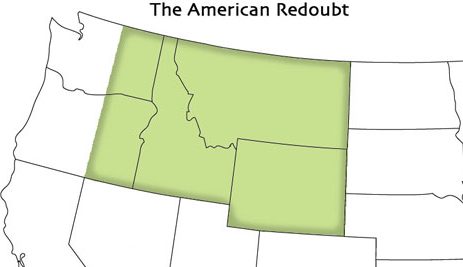
After years of dreaming, planning, saving, and sweating, you are finally ready to leave occupied territory and make your move to the American Redoubt. You have poured over maps, studied census data, consulted with real estate professionals, and talked to county planning and assessors offices. You now are down to your short list, but what about the water supply? Water can make or break your new homestead. “It’s no problem,” you say. You checked the well logs, and the general area has good producing wells of reasonable depth, or your selected property already has a well.

What is a Well Log

Well logs are a record made by the well driller during well construction. These are usually filed with the state’s regulating agency. These logs record vital information, including well depth, static level (the top of the water in the well), and often the estimated gallons per minute the well will produce. Well depths and the material being drilled through are vital information, if you need to diagnose water quality issues. Below is a portion of a well log.

Note: The information presented in this article generally applies to drilled wells. Springs, seeps and other surface water sources are often regulated different than wells. While domestic wells are typically exempted from obtaining a formal water right, you likely need to acquire a water right to develop springs and other surface water sources (lakes, rivers, and streams) for domestic use. Please, check with your local permitting entities before making withdrawals from surface water. Even a pipe from a stream to your animal watering trough may require a permit or water right.

Shallow and/or dug wells may have different requirements too. There is more to wells than how much water they produce. The water must be fit for consumption or treatable in a cost effective manner. Western states have different requirements for certifying usability of domestic water, and these requirements may vary between counties. Generally though, the regulations are minimal and regulating agencies are quick to remind you that you are ultimately responsible to determine the suitability of your well water.

Recent developments in the heart of the Redoubt have focused attention on potential unseen hazards with private and potentially even small public water supplies. (See article “Welling Concerns”, Flathead Beacon, 1/13/2016)

Anything found in your water besides, well, water (H2O) is deemed a contaminant. Contaminants don’t necessarily mean your water poses a health risk; some, like copper and zinc, are essential to good health in small amounts but may be toxic at high concentrations. Other elements, like calcium and potassium, are beneficial to health, and some companies add them to bottled water to improve taste. This article will discuss three categories of contaminates that affect well water.

Physical Contaminants

While many factors may impact the physical properties (color, odor, taste, and/or turbidity) of water, physical contaminants generally refer to sediment and organic matter suspended in the water. Shallow groundwater, surface water intrusion into your well, a damaged or missing well casing, or changes in your groundwater level can all lead to physical contaminates in water. This type of contamination can usually be resolved through physical methods, such as filtration or settling.

Biological Contaminants

These are organisms such as bacteria, viruses, protozoan, and parasites. These contaminants are typically addressed by the regulating agencies by way of a requirement to test total coliform bacteria in newly commissioned wells and upon transfer of property title. It is generally recommended that private well owners perform this test occasionally to protect against water-borne disease. A successful test confirms the absence of coliform bacteria in the water. While not all coliform bacteria originate from warm blooded animals, the coliform group generally indicates water that is unsanitary and potentially unsafe.

Fecal coliform, escherichia coliform, fecal streptococci, and enterococci are the most common types of coliform bacteria. Klebsiella bacteria are naturally occurring in soil, water, and vegetation. They can generate a false positive for fecal coliform under some test conditions.

Nuisance organisms, generally iron and sulfur bacteria, cause slimes, odor, and staining. Algae can cause offensive musty odors and nuisance growths. Fungi are often associated with taste and odor issues.

Pathogenic bacteria, such as salmonella, legionella, mycobacteria, and campylobacter are responsible for waterborne diseases. While many are not discernable with coliform tests, they rarely exist in environments free from coliform bacteria.

Enteric viruses are passed from digestive systems of infected organisms. Like pathogenic bacteria, they occur at concentrations much lower than coliforms, but infections can be produced with very few viruses. Pathogenic protozoa, such as Giardia (beaver fever) and Cryptosporidium, are common in unfiltered surface water. The cysts from this group of contaminates may be somewhat resistant to chlorine, so proper filters or boiling is recommended.

Chemical Contaminants

Chemical contaminants may be natural or man made. While there are areas with high levels of naturally occurring elements, such as arsenic or uranium, most groundwater with excessive chemical contaminants can be traced back to human activities. High levels of nitrate often trace back to agricultural practices, metals from mining operations, and pesticides and herbicides from orchards or row crops . These are just a few examples.

Nitrates

Elevated nitrate levels occur in groundwater across a wide expanse of the Redoubt. Wells can get contaminated in areas with a history of unregulated or poorly regulated agricultural practices, poorly functioning septic tanks, decomposition of plant matter, or erosion from natural deposits. Water with high nitrate levels is unsafe for pregnant and lactating females to drink and infants below six months old, due to nitrates interference with the ability of infants blood to carry oxygen. It is also linked to birth defects and miscarriages. Along with bacteria, nitrate testing is a requirement in many jurisdictions.

Hardness

Hardness, originally understood to be the capacity of water to precipitate soap, is the quantity of calcium and magnesium in water. While not a health concern, hard water can lead to mineral buildup in hot water heaters and coffee makers and residue on dishes after going through automatic dish washers. (Hopefully, these issues are not on your list of concerns for TEOTWAWKI.) One legitimate concern is that it takes more soap to get things clean with hard water. Water softeners are standard household fixtures in many parts of the country. Grid down, maintaining water treatment systems might prove problematic, but appropriate technology should become available in critical areas.

Iron

Iron in drinking water is not a health hazard; in fact, it is essential to good health, as iron helps transport oxygen in the blood. However, too much or the wrong kind of iron can be a nuisance. As little as 0.3 ppm can cause water to turn a reddish brown color. Iron is usually found in the ferrous, or reduced, form in well water, as there is little oxygen present. This form of iron can give water a disagreeable metallic taste. It can also cause vegetables cooked in the water to appear dark. When exposed to air, whether in a reservoir, pressure tank, or toilet bowl, the iron is oxidized to the ferric form. Water will become rusty as the deposits break off from the insides of pipes. The tell-tail reddish-brown stain can show up on buildings, plumbing fixtures, and even in laundry. Over time, metal pipes can become clogged. Finally, certain strains of bacteria “eat” iron and leave behind a residue that can cause an offensive odor. Treatment methods include aeration and filtration, manganese greens, and filtration, or catalytic filtration for ferrous iron treatment, and chlorination for iron bacteria.