The Editors’ Quote of the Day:
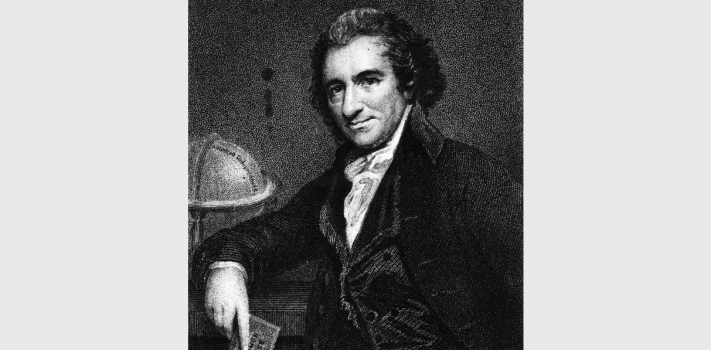
“Society in every state is a blessing, but government even in its best state, is but a necessary evil; in its worst state, an intolerable one.” – Thomas Paine, Common Sense, 1776
“My brethren, be not many masters, knowing that we shall receive the greater condemnation. For in many things we offend all. If any man offend not in word, the same is a perfect man, and able also to bridle the whole body. Behold, we put bits in the horses’ mouths, that they may obey us; and we turn about their whole body. Behold also the ships, which though they be so great, and are driven of fierce winds, yet are they turned about with a very small helm, whithersoever the governor listeth. Even so the tongue is a little member, …
“In thee, O Lord, do I put my trust: let me never be put to confusion. Deliver me in thy righteousness, and cause me to escape: incline thine ear unto me, and save me. Be thou my strong habitation, whereunto I may continually resort: thou hast given commandment to save me; for thou art my rock and my fortress. Deliver me, O my God, out of the hand of the wicked, out of the hand of the unrighteous and cruel man. For thou art my hope, O Lord God: thou art my trust from my youth. By thee have I …
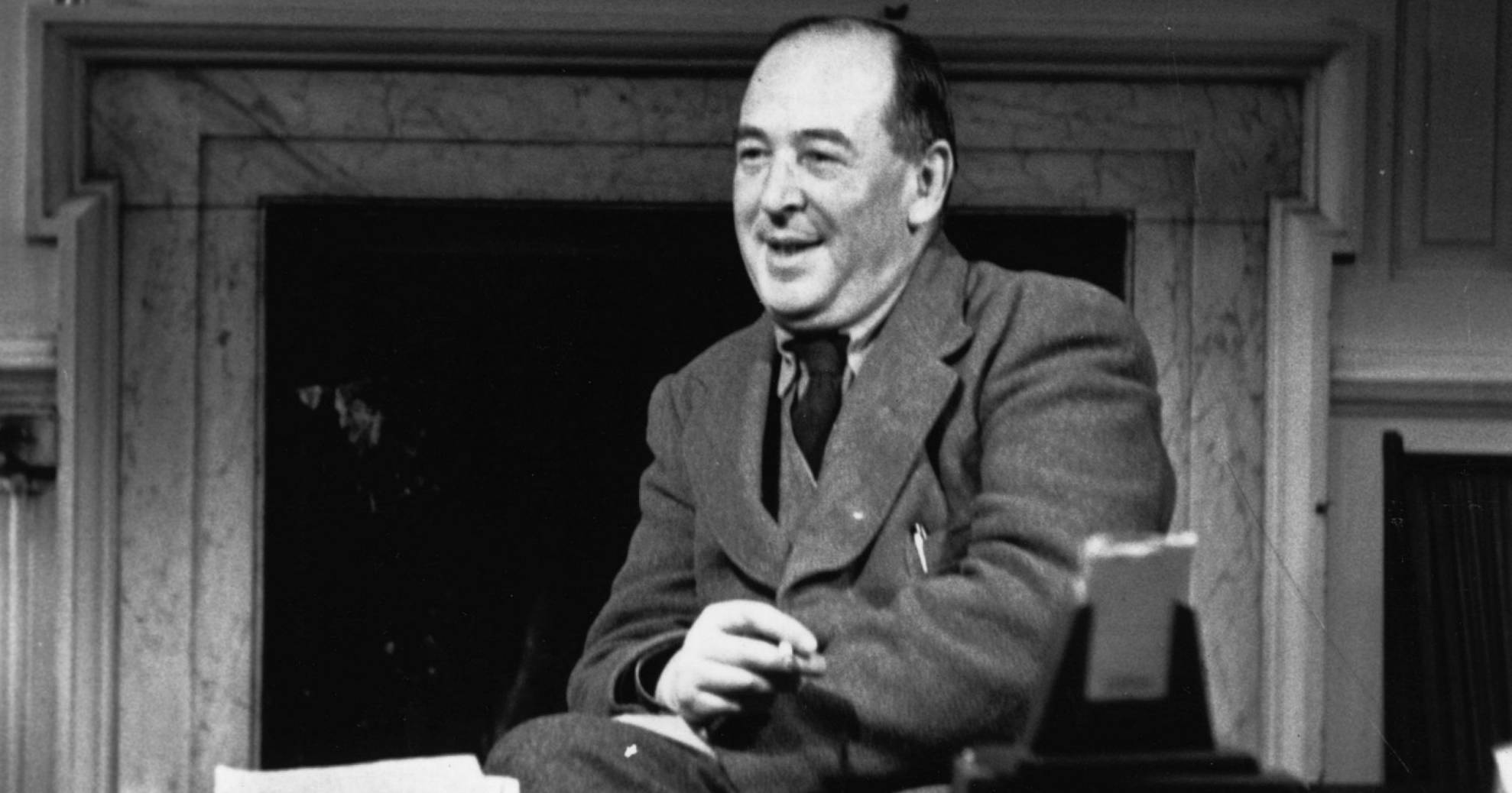
“To live his life in his own way, to call his house his castle, to enjoy the fruits of his own labour, to educate his children as his conscience directs, to save for their prosperity after his death — these are wishes deeply ingrained in civilised man. Their realization is almost as necessary to our virtues as to our happiness. From their total frustration disastrous results both moral and psychological might follow.” – C.S. Lewis
“The politics of envy is the politics of this commandment: ‘Thou shalt not steal, except by majority vote.’ It is the politics of two wolves and a sheep voting on what to have for dinner.” – Dr. Gary North
“No greater damage can be done to a nation than that wrought by a man with genius who is not also a man with honor and moral integrity.” – James Wesley, Rawles
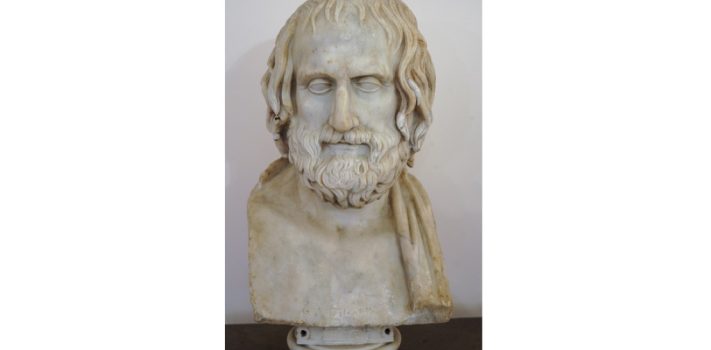
“The company of just and righteous men is better than wealth and a rich estate.” – Euripides
“Don’t raise anything, except what fits your appetite. Then the price don’t worry you. Just raise all you can eat and let the low prices go by.” – Will Rogers
“And it came to pass the day after, that he went into a city called Nain; and many of his disciples went with him, and much people. Now when he came nigh to the gate of the city, behold, there was a dead man carried out, the only son of his mother, and she was a widow: and much people of the city was with her. And when the Lord saw her, he had compassion on her, and said unto her, Weep not. And he came and touched the bier: and they that bare him stood still. And he said, …
“Arise, shine; for thy light is come, and the glory of the Lord is risen upon thee. For, behold, the darkness shall cover the earth, and gross darkness the people: but the Lord shall arise upon thee, and his glory shall be seen upon thee. And the Gentiles shall come to thy light, and kings to the brightness of thy rising. Lift up thine eyes round about, and see: all they gather themselves together, they come to thee: thy sons shall come from far, and thy daughters shall be nursed at thy side. Then thou shalt see, and flow together, …
“The right of self-defense never ceases. It is among the most sacred, and alike necessary to nations and to individuals.” – James Monroe, Second annual message to Congress, November 16, 1818
“Self-reliance is the best defense against the pressures of the moment.” – Karl von Clausewitz
“You win battles by knowing the enemy’s timing, and using a timing which the enemy does not expect.” – Miyamoto Musashi
“Republics decline into democracies and democracies degenerate into despotisms.” – Aristotle
The state is the great fictitious entity by which everyone seeks to live at the expense of everyone else. For, today as in the past, each of us, more or less, would like to profit from the labor of others. One does not dare to proclaim this feeling publicly, one conceals it from oneself, and then what does one do? One imagines an intermediary; one addresses the state, and each class proceeds in turn to say to it: “You, who can take fairly and honorably, take from the public and share with us.” Alas! The state is only too ready …