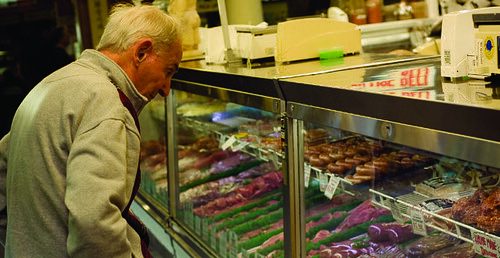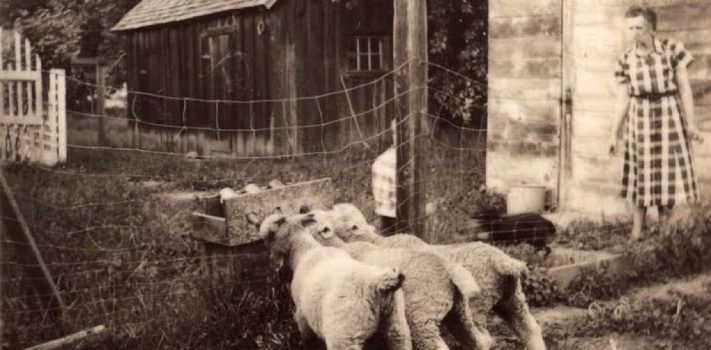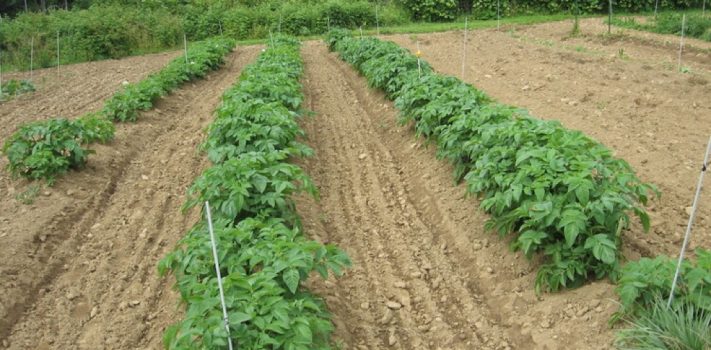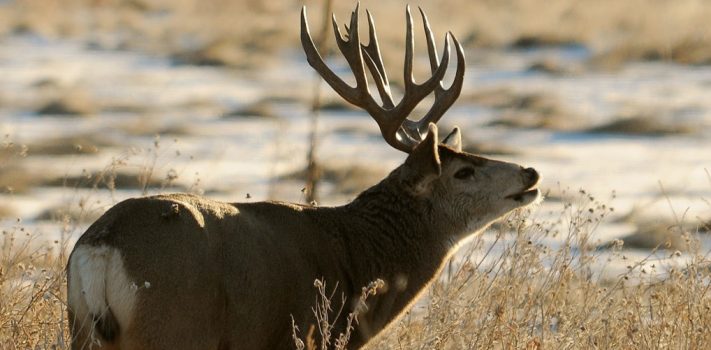
Raising, Hunting, and Harvesting Animals – Part 3, by Lodge Pole

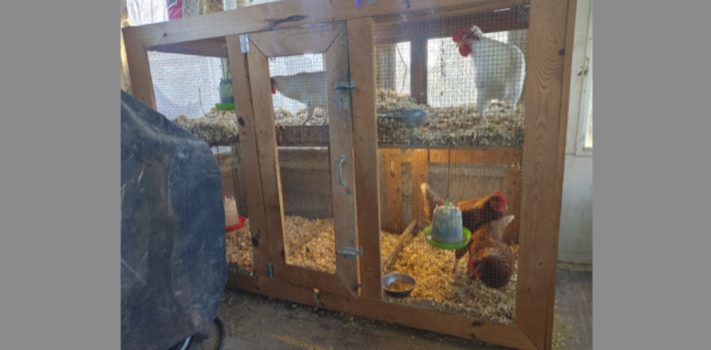
(Continued from Part 2.) Water for the Flock For the first several years of raising fowl, I had a 20-gallon rubber water tote in the chicken coop. Every couple of days, I would have to dump all the water out and refill it because the chickens would sit on the edges of the tote and defecate into the water. In the heat of summer, the water would turn green within a day or two, spoiling all the fresh water. I was wasting more water and time than necessary. I began designing a gravity fed water system with a livestock auto-feeder …


Raising, Hunting, and Harvesting Animals – Part 2, by Lodge Pole

(Continued from Part 1.) The following are the basic tools I use to harvest and butcher fowl: Large stainless steel bowl. I put several quarts of water in the pot (the amount of water varies on how many birds I am harvesting) to keep the meat from drying out and to help keep flies away if they are present. I also butcher where running water is easily accessible to wash my hands when necessary. Sharp knife. My preferred knife for cleaning and butchering is a medium-sized, antique, high-carbon steel butcher knife with a very thin blade. This knife is from …


Raising, Hunting, and Harvesting Animals – Part 1, by Lodge Pole

In late 1929, when the stock market crashed and the Great Depression began, the population of the United States was around 121.7 million people. All through the Great Depression, it was unheard of to leave roadkill on the side of the road left to rot. With high unemployment,  the hunting pressure was heavy. Small game, like rabbits and squirrels, nearly went extinct in large parts of the United States from being over-hunted, to feed desperate families. Today, in 2026, the estimated population of the US is 348.3 million. If animals were being hunted to near extinction when the population was …


Establishing Relationships in Your New Locale, by SaraSue

I have been on my farm for about five years, give or take.  I live outside a small town in rural Tennessee.  I didn’t know anyone when I moved here.  The closest neighbor is about half a mile away, and the rest are many miles down the road. If you are planning on moving from the suburbs or cities to the countryside, you might glean something from my experiences.  I hope this helps. The first neighbor I met was an older widow, and the circumstances weren’t great.  My big dogs (German Shepherds) had a habit of escaping the property and …


Balancing Farm Life for Success, by SaraSue

2025 was a difficult year to get through.  By the end of the year, I was not enjoying any of it.  In fact, I wanted to quit (do I feel this way at the end of every year?).  You have to laugh and find your sense of humor or you won’t make it through anything that is slightly difficult.  There were so many things that went wrong, so I had to sit down and list accomplishments to remind myself that a lot of things went right.  And once reminded of all the good, I can face the next year in …


The Dirty Side of Homesteading, by Patrice Lewis

Too often, homesteading articles, blogs, websites, and videos (including this one – guilty!) show only the successful side of homesteading. The abundant harvest, the completed projects, the fresh eggs and baby chicks and overflowing milk, the healthy livestock … by golly, this lifestyle must be easy-peasy, right? Yes and no. Of course things go right. And of course things go wrong. But what is seldom shown is the nitty-gritty day-to-day dirty side of homesteading, including the daily chores that must be done for the comfort and welfare of animals. For that reason, I thought I’d show you something I do …


The Other AI: Breeding Maggie, by Patrice Lewis

Editor’s Introductory Note:  This guest article was written by our friend and fellow blogger, Patrice Lewis. Her entertaining and informative Rural Revolution blog has been published several times a week since 2009. We highly recommend bookmarking it. – JWR — Last year, we bred Maggie, our Jersey heifer, to a neighbor’s young Angus bull. It was a convenient arrangement, and little Stormy was the product of that breeding. But our neighbors no longer have that little bull, so we were trying to figure out how to get Maggie bred this year. After some discussion, we decided to use AI (Artificial …


Field Fencing: Subdividing the Pasture, by Patrice Lewis

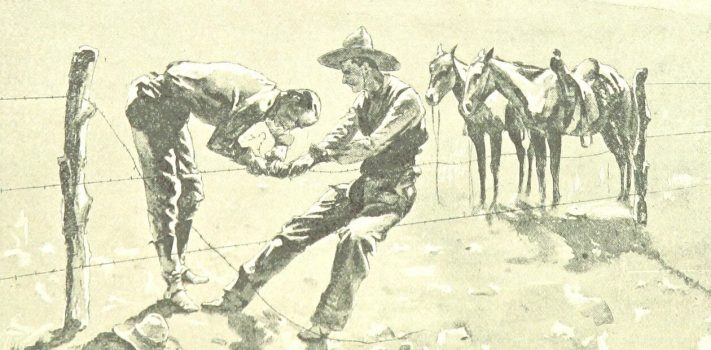
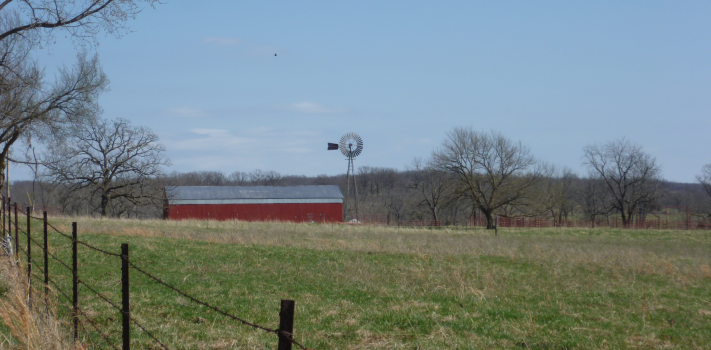
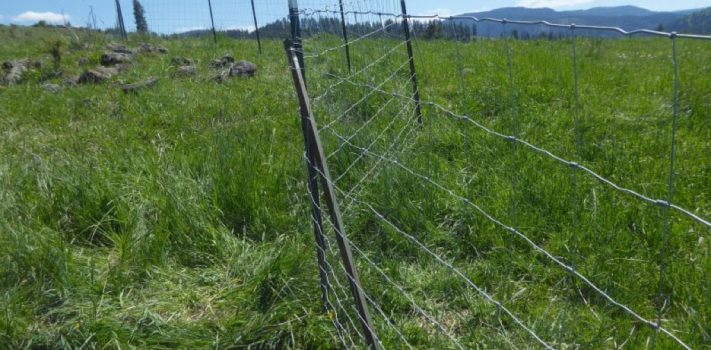
Editor’s Introductory Note:  This article is a guest post by our long-time friend and fellow blogger, Patrice Lewis. After first living in Oregon (from 1992 to 2003), Don and Patrice Lewis bought a ranch south of Coeur d’Alene, Idaho, and genuinely pursued a self-sufficient lifestyle. After their lovely homeschooled daughters both reached the “up and out” age, they moved again. This time it was to an undisclosed location elsewhere in North Idaho, ostensibly to slow down and lead a more sedate life. But, as irrepressible gardeners and dairy cattle ranchers, they’ve found themselves busier than ever. I highly recommend bookmarking …


Why I Still Have Dairy Cows, by SaraSue

I have been a milkmaid now three, going on four, years.  Of all the things I’ve tried on the farm, the dairy cow is one I hope to have until I am so old I can’t carry a bucket of milk.  I don’t have any cows “in milk” right now, as a planned winter break.  I have two cows pregnant with Spring calves, and one heifer (a young cow who has not yet been bred back or calved).  This is the first time I’ve taken a milking break in three years and I’m having dairy withdrawals.  I tried purchasing milk …


Putting Down My Dog, by SaraSue

I had no sooner sent in my positive update to the blog last week than a near catastrophe occurred. I am sharing this, even though it hurts to write about it. I’m doing so because I think it’s important to recognize that country living has pitfalls, as does self-sufficiency. Your preps and relationships become very important and not just for the obvious reasons. In this case, I needed plentiful first aid supplies, a clear head, and neighbors I could call in an Emergency. I will tell you the story. Warning: This is a graphic heart-wrenching story. Please skip over it …


Backyard Chicken Tips, by Tractorguy

Keeping laying hens is an excellent idea for preppers, if you have the space and ability to do so. They are an excellent source of nutrition, particularly fats, which can be problematic to store in a grid-down or survival situation. Back in the early part of the 20th Century, during two world wars, the US government encouraged all households to keep laying hens. It is sage advice. Keeping hens to provide eggs is not hard, and does not require a large amount of time and attention. Much information is available online about raising chickens. This is not meant to be …


The Final Countdown: Last-Minute Readiness Checks – Part 2, by Michael X.

(Continued from Part 1. This concludes the article.) Water List This is an item for the first three days. This is super important and needs to be one of the first items confirmed. Check locations and condition of water sources: Bottled Water/Stored water containers Well water (power dependent) Lake water – are there containers to carry and larger containers to store lake water? Is there a rainwater collection option available? Is the Berkey/Filtered water system ready? Can the tub be successfully filled with water from the system before the power goes out or the line pressure is gone? Can I …


The Final Countdown: Last-Minute Readiness Checks – Part 1, by Michael X.

Hypothetically, (of course), assume for a moment that the proverbial fan has been hit. Now you have three days….or two weeks….or two months…until the consequences of the event hit where you are. Good luck guessing how long it takes to hit you. Are you as ready as you can be? Are you sure? How do you know? How and when it hits you, whatever it may be, may be based on three key things: the type/cause of disaster, your proximity to the disaster or populated areas, and the stability of your systems (electricity, water, fuel, and human support systems). THE …


Some Emergency Animal Care Experiences, by Hollyberry

Let me start out right away by saying I have absolutely no veterinarian training or any training in animal first aid. I am just an average person who lives miles from the nearest vet and has had many animals….dogs, cats, goats, rabbits, and fowl. I have had many health or injury issues to attend to over the decades and this is just what worked for my husband and I and hopefully you will never need any of this information! I also want to state that I have not received any money or discounts for recommending a product. If you own …


What is Old is New Again – Part 1, by 3AD Scout

As consumers, we are bombarded with new and improved devices and other consumer goods constantly. Buying something to make our daily work and tasks easier has been ingrained in our psyche over the centuries. As I prepare for the end of the world as we know it (TEOTWAWKI), I don’t look for the “new and improved” devices that have electronics, require power (either AC or DC), are made of plastic or that are made in China. That does not mean that I don’t have a Ham (amateur) radio, flashlights, solar panels, and plastic items made in China. What I mean …