

Preparedness Notes for Monday — February 23, 2026

On February 23, 1903, the United States and Cuba signed an agreement by which Cuba released Guantanamo and Bahia Hondo to the US for naval stations. Pictured is a US Coast Guard patrol boat, at Guantanamo Bay, Cuba in 2003. — February 23,1958: San Francisco’s last municipal arc light at the corner of Mission and 25th Street was removed. It had been installed in 1913. — Today’s feature article is by SurvivalBlog staffer Tom Christianson. — We need more entries for Round 123 of the SurvivalBlog non-fiction writing contest. More than $981,000 worth of prizes have been awarded since we …



Woodhaven Fire Starters, by Thomas Christianson

The Bottom Line, Up Front The Woodhaven Fire Starters provide excellent material for igniting a useful blaze. Each disk is four inches in diameter, one inch thick, and weighs 4.2 ounces. They are composed of cedar sawdust bonded together with refined paraffin. One full disk burns for 20 to 30 minutes. It can also be broken into smaller pieces to start multiple fires. The fire starters are safe to use in fireplaces, firepits, wood stoves, and similar applications. The disks come in packages of 12, 50, or 100. At the time of this writing, those packages cost respectively $19.99, $65.00, …


Recipe of the Week:  

The following recipe for Pre-Spring Brussels Sprouts is from SurvivalBlog reader C.A.H.. Ingredients Brussels Sprouts – About 2 lbs Extra Virgin Olive Oil – 3 tbsp Fish Sauce – 1 tbsp Balsamic Vinegar – 1 tbsp Black Pepper – to taste Thyme – 2 sprigs Honey – 1 tbsp Directions Preheat your oven to 400 degrees F. Wash the Brussels Sprouts, and cut them in half. Toss them with olive oil, fish sauce, and vinegar. Season with black pepper. Arrange on a baking sheet so that the cut sides are facing down. Roast for 20 minutes and then check that …


SurvivalBlog Graphic of the Week

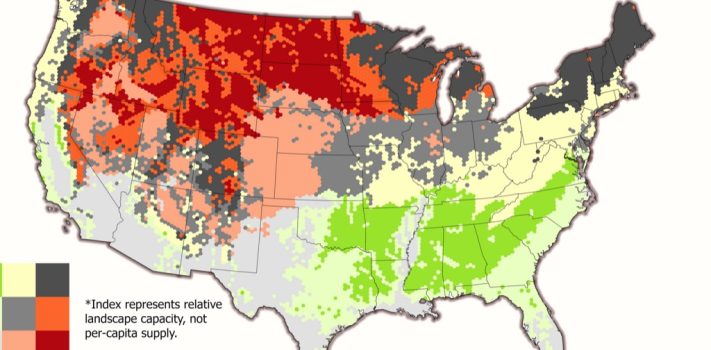
Today’s graphic: Firewood Supply Versus Demand. (Graphic courtesy of Reddit. Map by Casey Peterson, based on 2021 PRISM  OSU climate data.) The thumbnail below is click-expandable.         — From the Reddit site: Heating demand is approximated using a Heating Degree Day proxy derived from PRISM 30-year mean annual temperature. The formula max(0, (18.3 – Tmean) * 365) estimates how much heating a location needs annually – 18.3°C (65°F) is the standard base temperature below which buildings require heating. Higher values mean colder climates with greater heating needs. This is a simplified annual approximation; true HDD uses daily …